
While South Texas isn’t known for relentless blizzards or subzero temperatures, the region is known for sudden cold snaps, unpredictable freezes, and long stretches of dry, windy weather during the winter months. These rapid temperature swings can catch farms off guard—impacting livestock health, forage availability, and overall productivity. Preparing ahead is the key to ensuring your operation stays resilient when the weather turns harsh.
1. Build a Winter Nutrition Plan
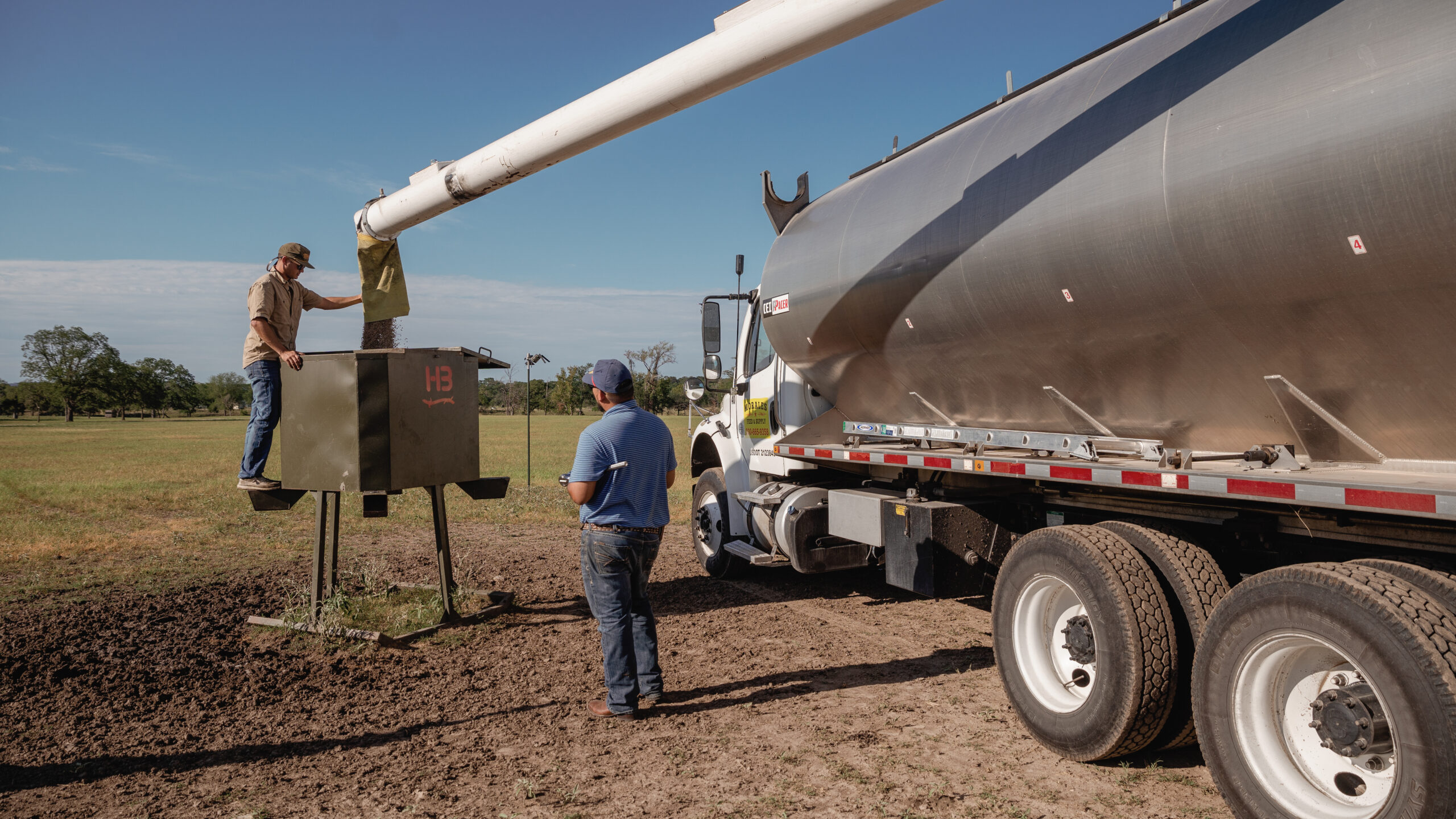
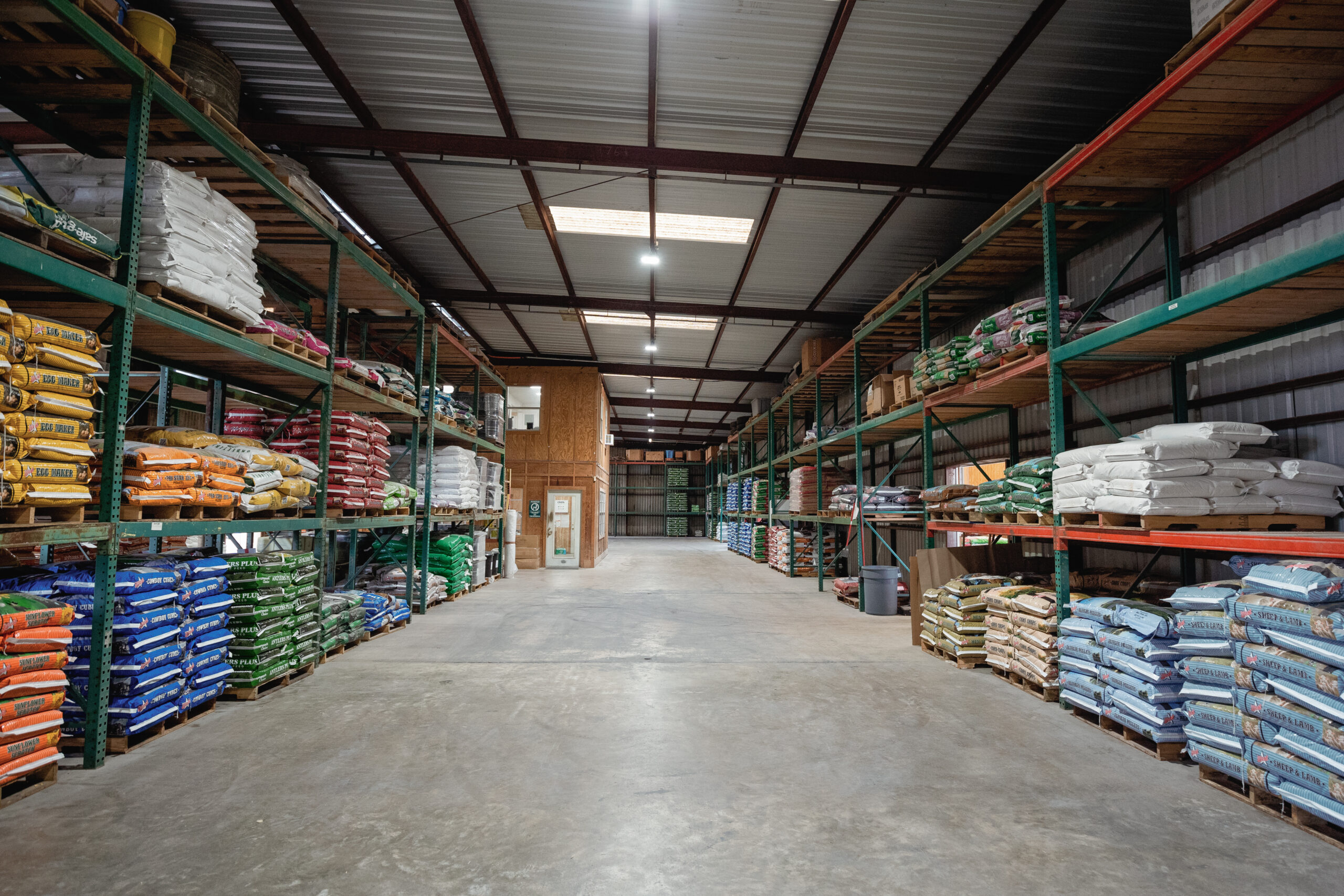
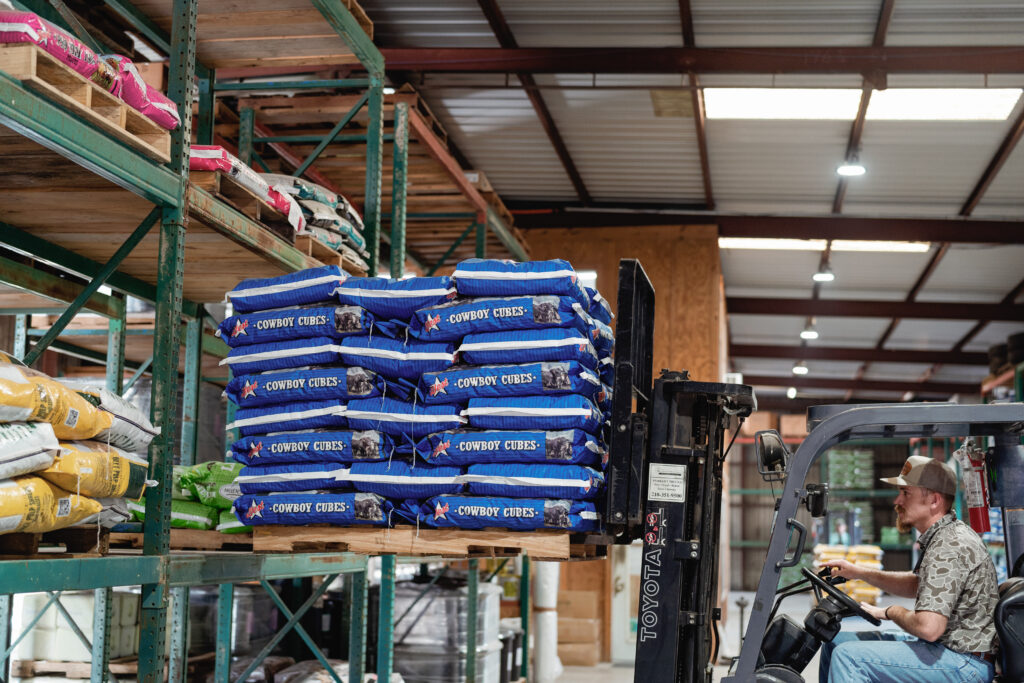
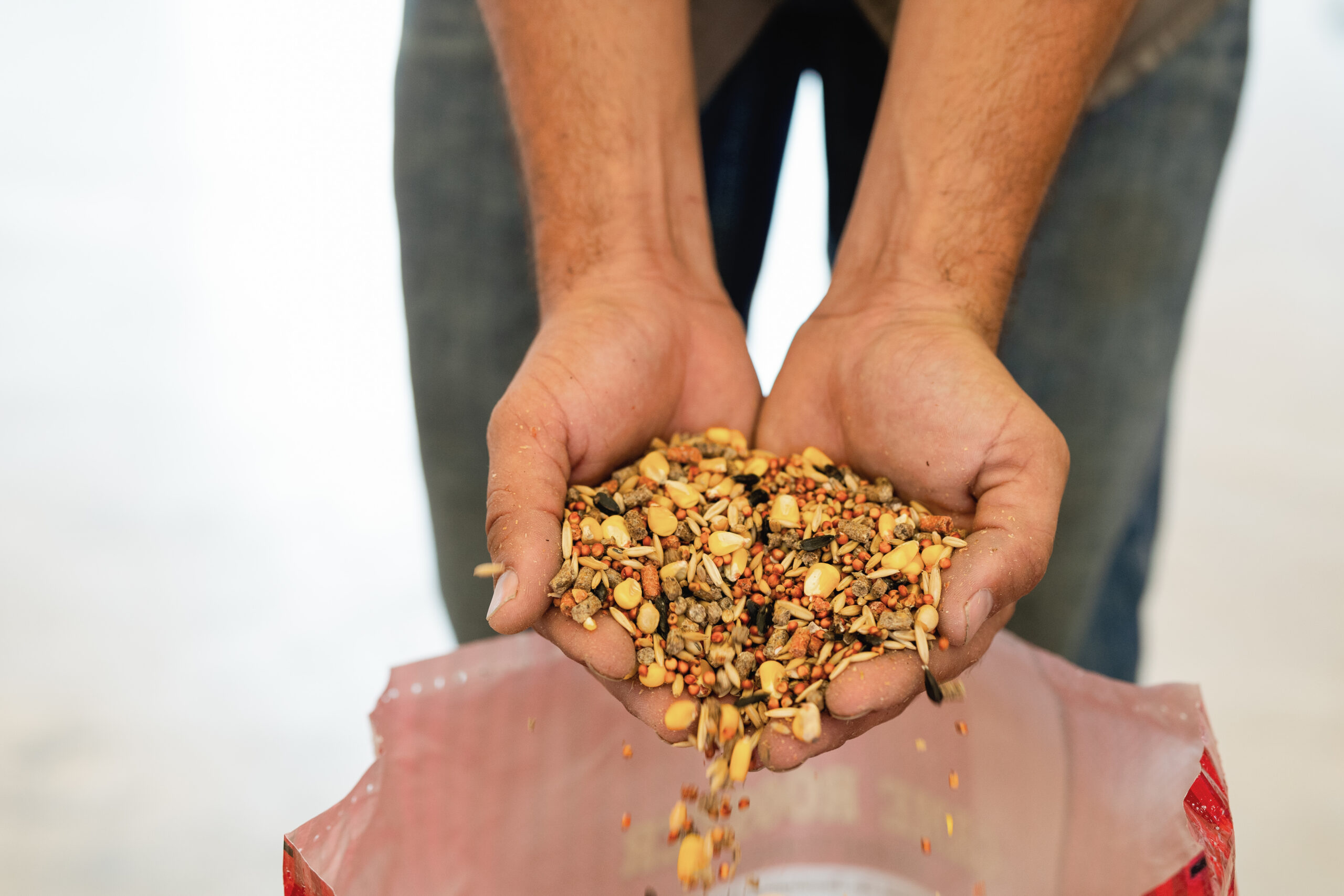
Winter may bring dormant pastures and reduced grazing quality. South Texas cattle often require supplemental feed to maintain body condition—especially pregnant cows and growing calves. Incorporating high-energy feeds such as cubes, cottonseed, or protein tubs ensures your herd receives the calories and nutrients needed to thrive through cold spells. Planning your feed inventory early prevents last-minute shortages when a freeze hits.
2. Protect Your Water Sources
Even in South Texas, stock tanks and water troughs can freeze on bitter mornings. Insulated troughs, tank heaters, or simply checking and breaking ice daily keep cattle drinking consistently—a critical factor in maintaining digestion and overall health. Make repairs to water lines before winter to prevent costly breaks when temperatures drop.
3. Provide Adequate Shelter and Windbreaks
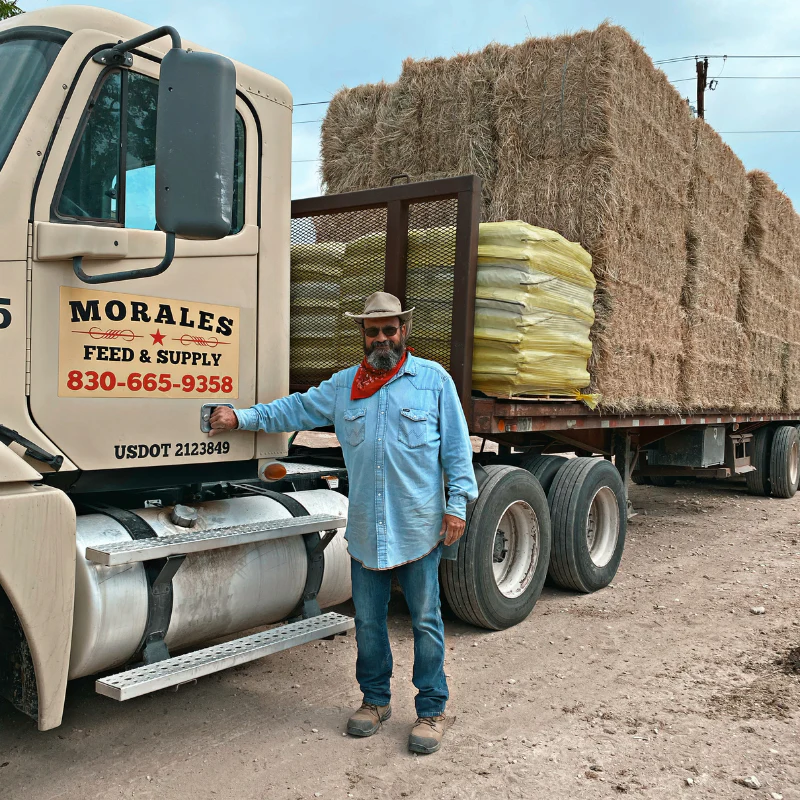
You don’t need elaborate barns to protect your livestock. Natural windbreaks like brush lines, hay bales, or temporary fencing panels can drastically reduce wind chill stress. For smaller livestock—goats, sheep, or poultry—ensure they have dry bedding, draft-free housing, and protection from cold rain, which can be more dangerous than the temperature itself.
4. Monitor Body Condition Early and Often
Cold weather increases energy demands. Cattle in poor condition entering winter will struggle the most. Regularly assessing body condition scores helps you catch nutritional gaps before they become health issues. Adjust feed levels proactively to ensure your herd enters spring strong and productive.
5. Prepare Your Pastures and Equipment
Before winter arrives, repair fences, service tractors, stock up on hay, and create a plan for rotational grazing. Healthy, rested pastures tolerate winter stress far better and rebound quickly when temperatures warm. Preventative equipment maintenance also reduces downtime during crucial feeding windows.
Stay Ahead of the Weather
South Texas winters may be short, but they can be intense. A thoughtful preparation strategy protects your land, your livestock, and your bottom line. Planning now ensures your farm not only survives the season—but enters spring ready for growth. Connect with Morales Feed and Seed for the best tips for your farm.


 Preparing for fall and winter farming in Texas is essential for ensuring year-round soil health and farm productivity. One of the most effective strategies for Texas farmers is planting crops that not only support soil structure but also provide valuable forage for livestock during colder months. For example, ryegrass is an ideal cool-season crop that grows quickly and offers high-quality forage while preventing soil erosion. Similarly, winter wheat and clover offer excellent grazing and soil fertility benefits. Farmers looking for top-quality Farming seeds and farming supplies should consider