
Summer Seed Trends: Choosing the Right Seed for Texas Pastures

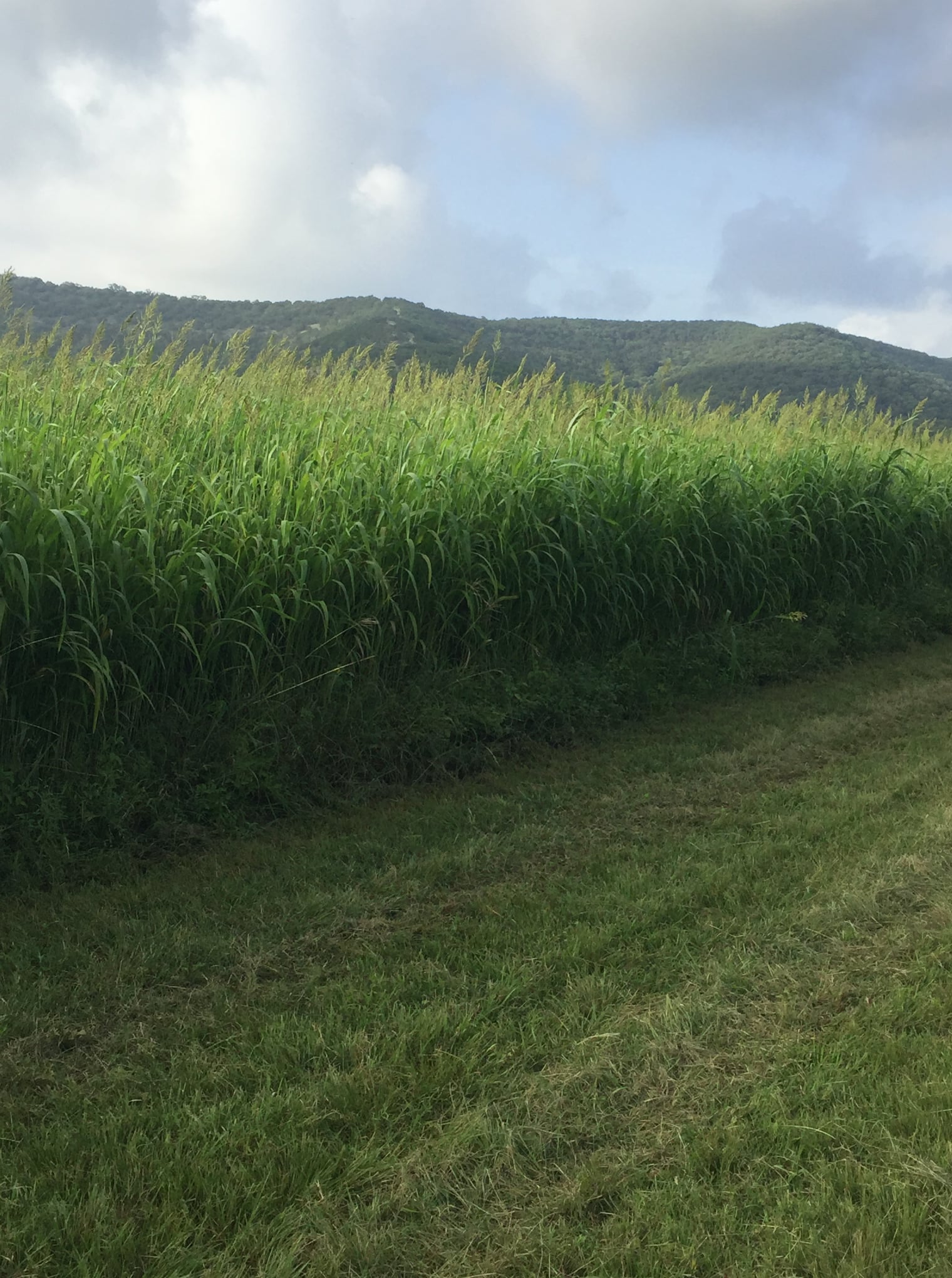
Seed selection is one of the most important decisions a farmer or rancher can make when establishing or improving forage. While planting seasons vary across Texas, summer provides an opportunity to evaluate pasture performance and plan future seed needs.

One of the biggest trends in agriculture is a greater focus on matching seed varieties to specific growing conditions. Not every grass or forage performs the same way in every environment. Soil type, rainfall, temperature, grazing pressure, and intended use should all be considered when selecting seed.

Farmers and ranchers are also increasingly focused on pasture diversity. Incorporating appropriate forage varieties can help producers build pastures that better support livestock and respond to changing environmental conditions. A thoughtful seed strategy can also complement broader pasture management practices.

Summer is an important time to evaluate existing pastures. Walk fields and look for areas with thin coverage, bare soil, invasive plants, or grasses that have struggled under seasonal conditions. These observations can help identify where future improvements may be needed.

Soil health should also be part of the conversation. Seed has the best opportunity to establish when the soil and planting conditions are right. Maintaining adequate ground cover, managing grazing pressure, and addressing soil fertility can all contribute to successful forage establishment.

Another trend is greater attention to long-term planning. Instead of choosing seed based solely on what is available at planting time, producers are considering what their pastures will need months and even years down the road. Planning ahead can make it easier to identify appropriate varieties and prepare fields before planting windows arrive.

Texas agriculture is diverse, and seed requirements can look very different from one region to another. What works well for one farm may not be the right choice for another. Local conditions and the goals of the operation should always play a role in the decision.

Morales Feed & Supply provides seed, hay, and feed options for farmers, ranchers, livestock owners, and agricultural operations. Whether you’re improving an existing pasture or preparing for the next planting season, having access to dependable agricultural products can make the process easier.

A successful pasture doesn’t happen overnight. It starts with good planning, the right seed, and consistent management

Summer Hay Trends: What Farmers & Ranchers Should Know

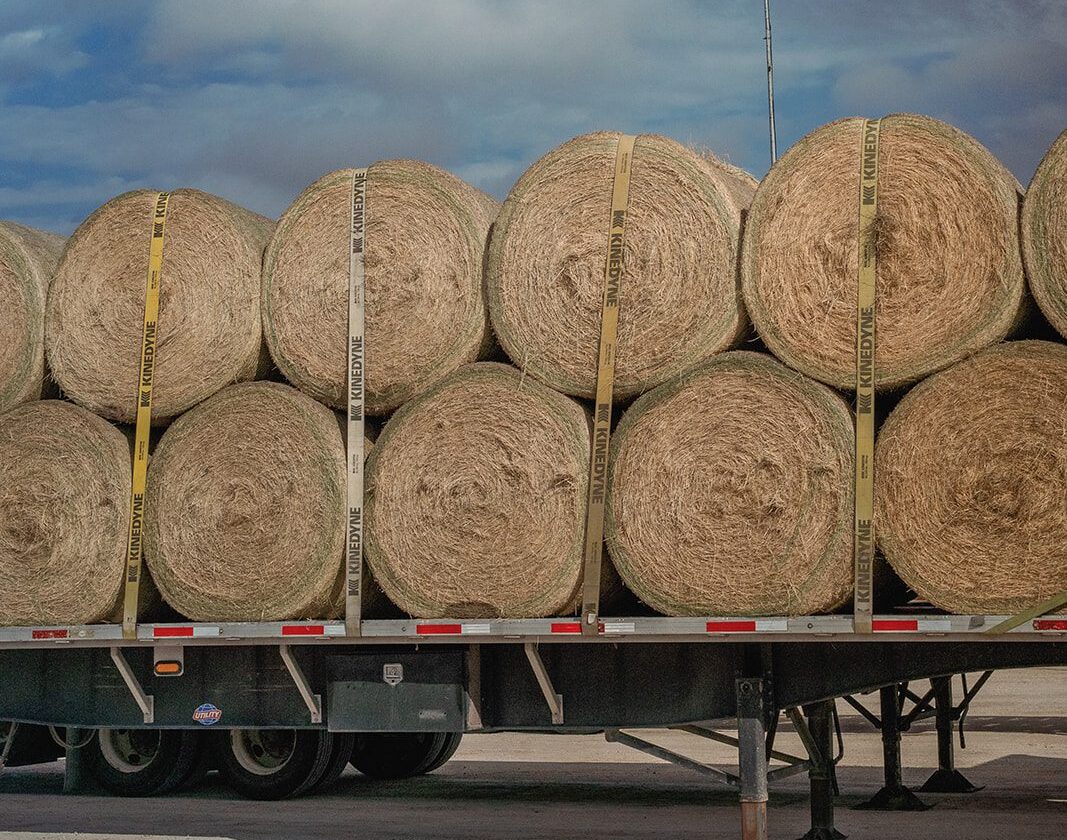
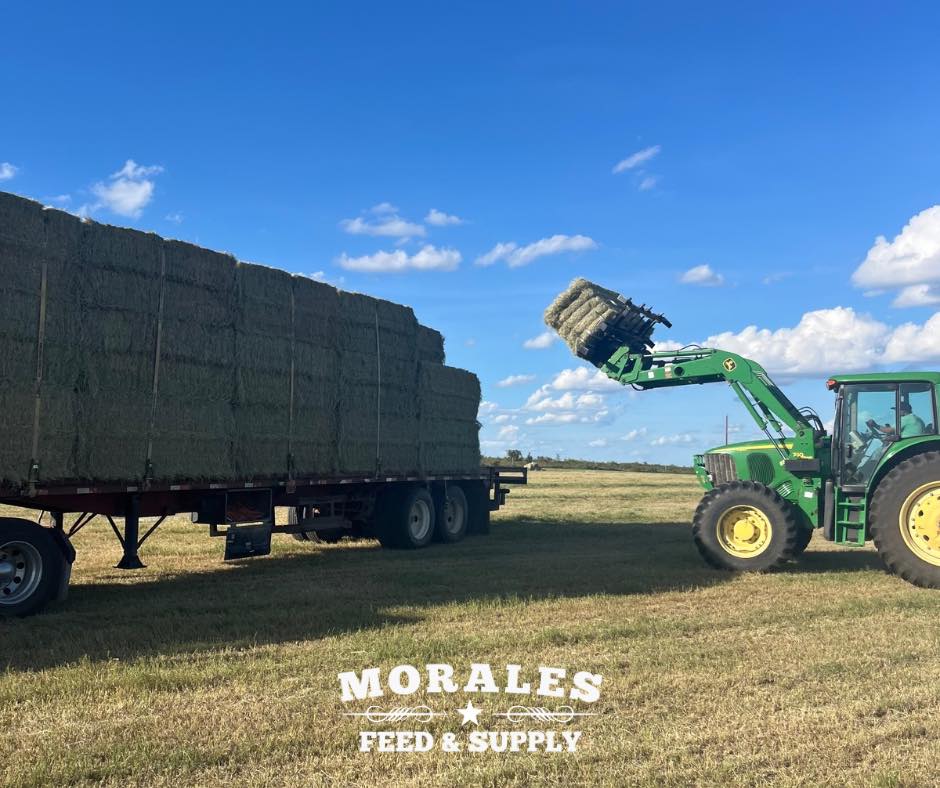
For farmers and ranchers, hay is more than a seasonal purchase. It is an important part of maintaining livestock nutrition and managing an operation when pasture conditions change. During the summer months, understanding hay quality, availability, and storage can help producers make more informed decisions.

One of the biggest summer hay trends is a stronger emphasis on hay quality rather than simply quantity. Nutritional value can vary depending on forage type, maturity at harvest, growing conditions, and how hay is stored. Producers are increasingly looking at the overall quality of their hay supply to make sure it aligns with the needs of their livestock.

Hay storage is another area receiving increased attention. Summer heat and unpredictable weather can create challenges for protecting stored hay. Whenever possible, hay should be stored in a dry location with good airflow and protected from unnecessary exposure to rain and ground moisture. Proper storage helps reduce spoilage and preserves the investment made when purchasing or producing hay.

Another important trend is paying closer attention to forage variety. Different types of hay can serve different purposes depending on livestock needs and the overall operation. Understanding the differences between forage options can help producers determine what makes the most sense for their herd.

Summer is also an ideal time to assess how much hay an operation may need for the months ahead. Weather conditions can change quickly, and forage availability isn’t always predictable. Taking inventory early can provide producers with more flexibility when planning future purchases.

For livestock producers, hay works best as part of a broader nutrition strategy. Feed, forage, minerals, and access to clean water all contribute to maintaining healthy livestock, particularly during periods of extreme summer heat.

At Morales, we help farmers and ranchers find dependable hay, feed, and agricultural products for the work at hand. We know that the right products can vary from operation to operation, which is why having a reliable local resource matters.

Whether you’re replenishing your current hay supply, planning ahead for the rest of summer, or preparing for the seasons ahead, staying proactive can help reduce stress and protect your operation.

Good hay starts with good management — and smart planning starts before you need it.

Summer Farm Trends: Preparing Your Operation for Heat, Drought & Changing Conditions

Summer brings long days, higher temperatures, and a new set of challenges for farmers and ranchers across Texas. From managing water resources to maintaining pastures, summer is an important season for making decisions that can influence the productivity of an operation throughout the year.

One of the biggest summer farm trends is a greater focus on soil health and water efficiency. As temperatures rise, healthy soil can play an important role in retaining moisture and supporting productive forage. Practices such as maintaining ground cover, reducing unnecessary soil disturbance, and selecting forage suited to local conditions can help operations make the most of available resources.

Pasture management is another major consideration during the summer months. Heavy grazing during periods of heat or limited rainfall can put additional stress on grasses. Rotational grazing, allowing adequate recovery time, and monitoring pasture conditions can help protect valuable forage and maintain long-term productivity.

Farmers and ranchers are also paying closer attention to seed selection. Choosing the right seed for the region, soil type, intended use, and expected growing conditions can make a meaningful difference. Summer is an excellent time to evaluate which grasses and forage varieties performed well and begin planning ahead for future planting needs.

Hay management remains equally important. Quality hay provides valuable nutrition when pasture conditions are less than ideal, but proper storage is essential. Keeping hay protected from moisture and allowing adequate airflow can help preserve its quality and reduce unnecessary waste.

Another growing trend is taking a more proactive approach to seasonal planning. Instead of waiting for conditions to become difficult, producers are evaluating pasture health, hay supplies, water availability, and seed needs earlier in the season.

At Morales Feed & Supply, we understand that every farm and ranch has different needs. From dependable feed and quality hay to seed options for establishing productive forage, having the right resources on hand can help make summer management easier.

The goal isn’t simply to get through the summer. It’s to make smart decisions today that support a healthier, more productive operation for the seasons ahead.

Why Now Is the Time to Stock Up on Hay Before Fall Demand Arrives

For many South Texas ranchers, hay purchasing often becomes a priority when supplies are already tight. Waiting until fall can mean higher prices, limited inventory, and fewer options for your livestock feeding program.

Planning ahead can help avoid those challenges.

Summer Is the Best Time to Evaluate Inventory

Take stock of your current hay supply and estimate your feeding needs through the fall and winter months. Factors such as herd size, pasture conditions, and rainfall forecasts all play a role in determining how much hay you’ll need.

Protect Against Weather Uncertainty

South Texas weather is unpredictable. A dry late summer or delayed fall rains can quickly increase dependence on stored forage. Having quality hay on hand provides flexibility and peace of mind when conditions change.

Quality Matters

Not all hay is created equal. Purchasing quality hay with good nutritional value can help reduce waste and improve livestock performance.

Morales Hay, Feed, and Seed offers dependable hay options and delivery services to help keep your operation running smoothly.

Plan Ahead and Save

Securing hay before seasonal demand peaks can often provide better availability and more feeding options for your operation.

Don’t wait until the first cold front arrives – start preparing now.

Preparing Your Pastures for Late Summer Grazing in South Texas

As summer temperatures continue to climb across South Texas, pasture conditions can quickly change. Heat stress, declining forage quality, and limited rainfall often create challenges for livestock producers trying to maintain healthy grazing conditions through the hottest months of the year.

Now is the time to evaluate your pastures and make management decisions that can help extend grazing opportunities while protecting forage stands for the fall.

Evaluate Current Forage Conditions

Walk your pastures regularly and assess forage availability, plant health, and grazing pressure. Overgrazing during summer can weaken root systems and reduce future forage production. Rotational grazing practices can help maintain plant vigor while allowing pastures time to recover.

Supplement Livestock Nutrition

As native grasses mature, protein and energy levels often decline. Supplemental feeds can help bridge nutritional gaps and support cattle performance during periods of lower forage quality.

At Morales, we offer a variety of feed options designed to help producers maintain herd health and productivity throughout the summer months.

Plan for Fall Forage Success

Late summer is also the perfect time to begin planning for fall planting. Soil testing, seed selection, and pasture preparation completed now can set the stage for strong forage growth once cooler temperatures arrive.

Your Local Resource for Ranch Success

Whether you’re managing a small acreage or a large cattle operation, Morales is here to help with feed, seed, mineral programs, and expert recommendations tailored to South Texas conditions.

Contact Morales today to get your operation ready for the season ahead.

South Texas Farming: Getting the Work Done Right

Farming in South Texas is built on consistency, timing, and making the most of every acre. Whether it’s row crops, hay production, or mixed livestock operations, success comes down to how well the day-to-day decisions support long-term productivity.

From soil preparation to feed planning, local suppliers like Morales Feed & Supply play a key role in keeping farms supplied with the essentials needed to stay productive year-round.

Building a Productive Farming System

Most successful South Texas farms aren’t relying on a single input or practice—they’re managing an interconnected system:

  • Soil health and fertility
  • Seed selection and planting timing
  • Irrigation and water efficiency
  • Livestock feed and forage planning
  • Equipment readiness and maintenance

Each piece impacts the others. Poor soil affects forage. Weak forage affects livestock. Missed planting windows affect the entire season.

Soil Preparation and Fertility Management

Strong production starts below the surface. South Texas soils vary widely, but most farms focus heavily on building structure and nutrient balance.

Key practices include:

Fertilizer Programs

Balanced fertilizer applications help maintain productive fields and pastures. Many producers adjust blends based on soil tests to avoid over-application and wasted input costs.

Soil Amendments

Organic matter, composts, and biological products are increasingly used to improve long-term soil performance and water retention.

Ground Cover Management

Keeping soil covered reduces erosion and helps maintain moisture and nutrient stability between planting cycles.

Seed Selection and Planting Strategy

Seed choice is one of the most important decisions on the farm. In South Texas, producers often focus on:

  • Drought-tolerant forage varieties
  • High-yield hay grasses
  • Improved grazing blends for livestock systems
  • Crop varieties suited for multiple cuttings or rotations

Timing and spacing also matter. Efficient planting schedules help maximize production cycles and reduce gaps in forage availability.

Feed and Forage Planning for Livestock Operations

Many South Texas farms are integrated systems—meaning crop production and livestock management work together.

A strong feed program typically includes:

  • Stored hay production for off-season needs
  • Supplemental feed for performance consistency
  • Mineral programs for herd health
  • Strategic grazing rotation planning

Having reliable supply access matters when operations scale or conditions shift. That’s where dependable local partners like Morales Feed & Supply help keep operations running without interruption.

Equipment and Daily Operation Efficiency

Farming isn’t just land and livestock—it’s also machinery and logistics. Efficiency depends on:

  • Keeping equipment maintained and ready
  • Reducing downtime during planting and harvest
  • Having access to fuel, parts, and supplies
  • Planning labor and workflow during peak seasons

Small delays in equipment or inputs can ripple across the entire operation.

Managing Inputs for Profitability

Modern farming in South Texas is as much about economics as it is about production. Input costs for fertilizer, feed, seed, and fuel require careful planning.

Producers often focus on:

  • Maximizing yield per acre
  • Reducing waste in feed and fertilizer use
  • Improving grazing efficiency
  • Timing purchases around demand cycles

The goal is simple: produce more with what you already have.

The Role of Local Agricultural Support

Farming works best when support systems are close, reliable, and consistent. Local suppliers provide more than products—they provide continuity.

With feed, seed, and farm supplies available when needed, operations stay on schedule and avoid costly interruptions. That consistency is a major advantage in a fast-moving production environment.

Final Thoughts

South Texas farming is built on discipline, planning, and execution. From soil health to feed programs, every decision impacts the bigger system.

When farms stay organized and supported with the right inputs, they become more productive, more efficient, and more sustainable over time. And with trusted agricultural partners like Morales Feed & Supply, producers have the support they need to keep moving forward season after season.

Why Soil Health Matters for Texas Farms and Ranches

Texas agriculture is built from the ground up – literally. From hay fields and cattle operations to family farms and ranches, healthy soil is one of the most important resources producers have. In a state known for unpredictable weather, drought conditions, and intense heat, maintaining strong soil health can make the difference between thriving pastureland and struggling production.

At Morales Feed & Supply, supporting Texas agriculture means understanding the importance of the land itself. Healthy soil creates healthier forage, stronger livestock operations, and more productive farms for generations to come.

What Is Soil Health?

Soil health refers to the soil’s ability to function as a living ecosystem that supports plants, animals, and people. Healthy soil contains the right balance of nutrients, organic matter, water retention, and beneficial microorganisms that help crops and grasses grow efficiently.

In Texas, where climate and soil conditions can vary drastically from region to region, maintaining soil quality is critical for long-term agricultural success.

Key indicators of healthy soil include:

  • Strong organic matter levels
  • Good water infiltration and retention
  • Reduced erosion
  • Balanced nutrient levels
  • Active microbial life
  • Healthy root development

When soil is healthy, farms and ranches are better equipped to handle drought, heavy rainfall, grazing pressure, and changing weather patterns.

The Importance of Soil Health in Texas Agriculture

Texas producers face unique challenges throughout the year. Extended dry periods, high temperatures, and soil erosion can all impact crop yields and pasture performance.

Healthy soil helps producers by:

Improving Water Retention

Quality soil absorbs and stores water more effectively, which is especially important during Texas drought conditions. Better water retention means less runoff and stronger forage growth during dry seasons.

Increasing Forage Production

Healthy pastures produce better hay and grazing opportunities for livestock. Strong root systems and nutrient-rich soil contribute to higher-quality forage for cattle, horses, and other livestock.

Reducing Erosion

Wind and water erosion are common concerns across Texas farmland. Soil with healthy structure and ground cover is more resistant to erosion and nutrient loss.

Supporting Long-Term Farm Productivity

Investing in soil health today helps preserve farmland for future generations. Sustainable land management can improve productivity year after year while protecting the value of the property.

Ways Texas Farmers and Ranchers Can Improve Soil Health

Building healthier soil takes consistency and long-term management. Many Texas producers focus on practical strategies that strengthen their land over time.

Rotational Grazing

Managing grazing pressure allows pasture grasses time to recover and promotes healthier root systems.

Proper Fertilization

Balanced nutrients help maximize forage and crop production while preventing deficiencies in the soil.

Cover Crops

Cover crops can reduce erosion, improve moisture retention, and add organic matter back into the ground.

Limiting Soil Disturbance

Reducing excessive tillage helps preserve soil structure and beneficial microorganisms.

Quality Hay and Feed Programs

Strong nutrition programs support both livestock health and pasture management goals across working farms and ranches.

Supporting Texas Agriculture at Morales Feed & Supply

At Morales Feed & Supply, agriculture is more than a business — it is a way of life rooted in family farming and supporting local producers across Texas.

From hay, feed, and seed to dependable delivery and pickup services, Morales Feed & Supply works alongside farmers and ranchers who understand the value of healthy land and sustainable agriculture. Strong soil creates strong operations, and investing in the land today helps ensure productive farms for years to come.

Whether managing a cattle operation, maintaining horse property, or caring for pastureland, prioritizing soil health remains one of the smartest investments Texas producers can make.

Final Thoughts

Healthy soil is the foundation of every successful farm and ranch in Texas. Better soil leads to stronger forage, healthier livestock, improved drought resistance, and long-term agricultural sustainability.

As Texas agriculture continues to evolve, producers who focus on soil health will be better positioned for future success. Through hard work, stewardship, and support from agricultural partners like Morales, Texas farms and ranches can continue thriving for generations to come.

Feeding Strategies to Improve Wildlife Habitat in South Texas

Healthy wildlife populations are the result of intentional management. In South Texas, strategic feeding programs support whitetail deer, quail, and other game species while improving habitat quality year-round.

Nutritional Needs of Wildlife

Protein is critical for antler development, muscle growth, and reproduction. Supplemental feeds help bridge nutritional gaps when native forage is stressed by heat or drought.

Choosing the Right Feed

Not all wildlife feed is created equal. High-protein pellets, properly timed corn supplementation, and mineral access improve herd health without disrupting natural movement patterns.

Food Plots & Habitat Support

Seed blends adapted to South Texas soil and rainfall provide long-term forage benefits. Combining feeding with habitat management—such as water access and brush control—creates balanced ecosystems.

Ethical & Effective Feeding

Overfeeding or poor placement can cause dependency or habitat damage. Strategic placement and proper quantities ensure wildlife benefit without negative impact.

Conclusion

Wildlife feeding done correctly improves herd quality, hunting opportunities, and land stewardship. Local feed suppliers like Morales Feed & Supply offer wildlife feed, seed blends, and regional insight tailored specifically to South Texas conditions, helping landowners make informed, responsible management decisions.

Why Buying Feed Locally Matters in South Texas

While online retailers and big-box stores offer convenience, they often lack one critical component: local expertise. A local feed store in South Texas provides personalized service, region-specific products, and real-world knowledge that directly benefits producers.

Region-Specific Knowledge

South Texas soil types, forage availability, and weather patterns require customized nutrition. Local feed stores understand these variables and recommend feeds, minerals, and seed blends proven to work in the region—not generic national formulas.

Personalized Service

Local feed stores build relationships. Staff members recognize your operation, remember past purchases, and offer advice based on your goals. This level of service simply doesn’t exist with online ordering.

Reliable Inventory & Delivery

During droughts or cold snaps, supply matters. Local stores maintain dependable inventory and delivery options when timing is critical. Whether it’s bulk feed, hay, or wildlife nutrition, reliability protects your bottom line.

Supporting the Local Economy

Shopping locally strengthens rural communities. Supporting local feed stores helps keep agricultural knowledge, jobs, and services available for future generations.

Morales Feed & Supply isn’t just a supplier—it’s a partner in your success. When nutrition decisions matter, local experience makes a measurable difference.

Seasonal Feeding Strategies for South Texas Livestock

Seasonal feeding in South Texas isn’t optional—it’s essential. Extreme heat, unpredictable rainfall, and fluctuating forage quality mean livestock nutrition must adjust throughout the year. Implementing smart, seasonal feeding strategies helps producers maintain herd health, improve performance, and reduce long-term costs.

Understanding South Texas Conditions

South Texas ranches face prolonged heat, limited rainfall, and nutrient-poor native forage. These conditions increase stress on cattle, sheep, goats, and horses, making targeted supplementation critical. Relying on a single feeding plan year-round often leads to weight loss, lower fertility, and poor immune response.

Spring & Summer Feeding

During warmer months, livestock expend more energy managing heat stress. Feeds higher in digestible energy and balanced minerals help maintain body condition. Electrolyte support, consistent access to clean water, and minerals formulated for heat stress are key. Protein levels should support growth without increasing metabolic heat.

Fall & Winter Adjustments

As forage quality declines, protein supplementation becomes more important. Fall feeding supports breeding success and prepares animals for winter stress. In colder months, increased energy intake helps livestock maintain body temperature and body condition, especially during cold fronts common in South Texas.

Avoiding Common Feeding Mistakes

Sudden feed changes, inconsistent delivery, and ignoring mineral deficiencies are common issues. Gradual transitions and region-specific products prevent digestive upset and improve feed efficiency.

Conclusion

Seasonal feeding strategies tailored to South Texas conditions protect herd health year-round. Working with Morales Hay Feed & Seed ensures access to products and knowledge designed specifically for regional challenges.