
South Texas Farming: Getting the Work Done Right

Farming in South Texas is built on consistency, timing, and making the most of every acre. Whether it’s row crops, hay production, or mixed livestock operations, success comes down to how well the day-to-day decisions support long-term productivity.

From soil preparation to feed planning, local suppliers like Morales Feed & Supply play a key role in keeping farms supplied with the essentials needed to stay productive year-round.

Building a Productive Farming System

Most successful South Texas farms aren’t relying on a single input or practice—they’re managing an interconnected system:

  • Soil health and fertility
  • Seed selection and planting timing
  • Irrigation and water efficiency
  • Livestock feed and forage planning
  • Equipment readiness and maintenance

Each piece impacts the others. Poor soil affects forage. Weak forage affects livestock. Missed planting windows affect the entire season.

Soil Preparation and Fertility Management

Strong production starts below the surface. South Texas soils vary widely, but most farms focus heavily on building structure and nutrient balance.

Key practices include:

Fertilizer Programs

Balanced fertilizer applications help maintain productive fields and pastures. Many producers adjust blends based on soil tests to avoid over-application and wasted input costs.

Soil Amendments

Organic matter, composts, and biological products are increasingly used to improve long-term soil performance and water retention.

Ground Cover Management

Keeping soil covered reduces erosion and helps maintain moisture and nutrient stability between planting cycles.

Seed Selection and Planting Strategy

Seed choice is one of the most important decisions on the farm. In South Texas, producers often focus on:

  • Drought-tolerant forage varieties
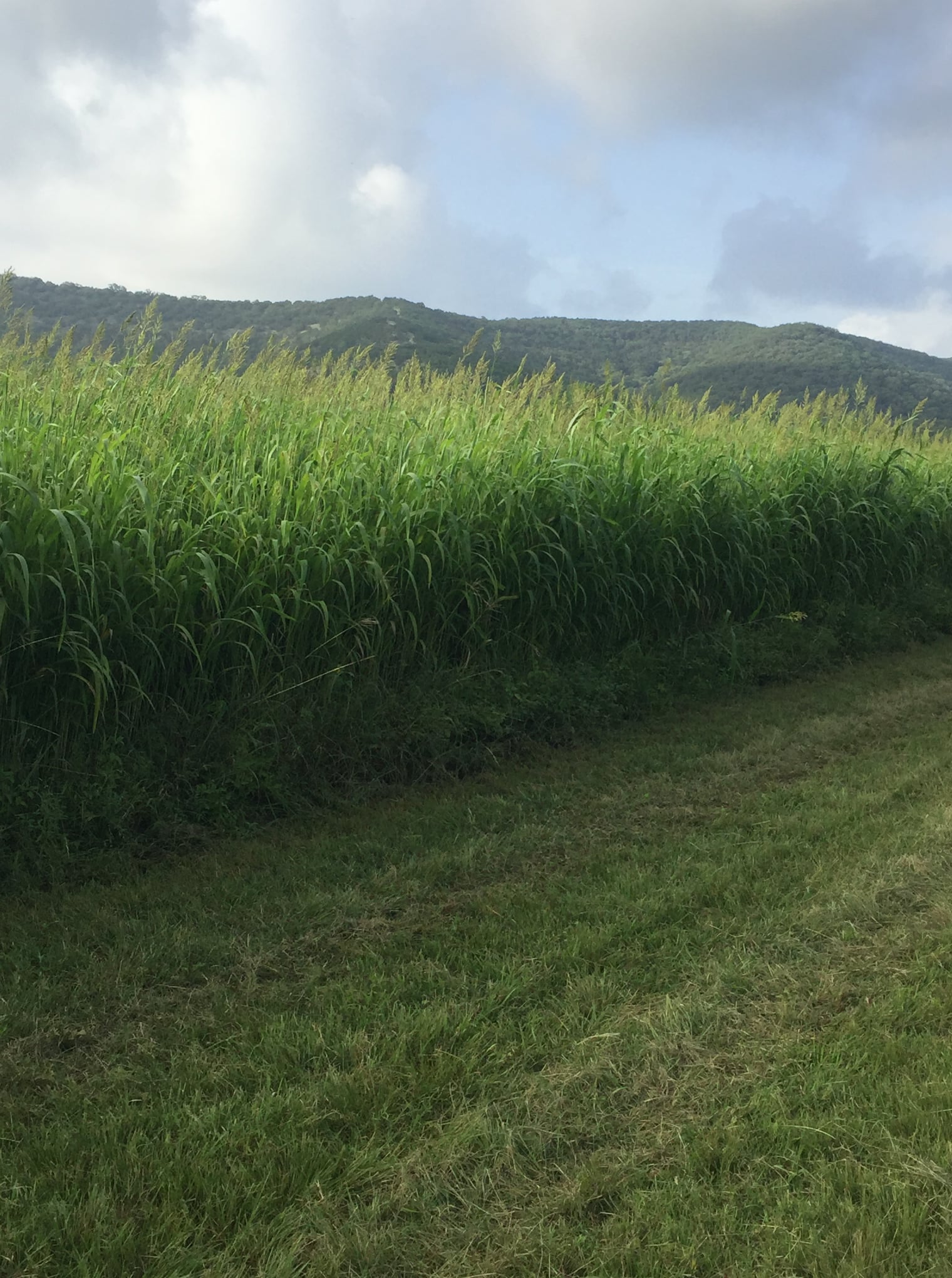
  • High-yield hay grasses
  • Improved grazing blends for livestock systems
  • Crop varieties suited for multiple cuttings or rotations

Timing and spacing also matter. Efficient planting schedules help maximize production cycles and reduce gaps in forage availability.

Feed and Forage Planning for Livestock Operations

Many South Texas farms are integrated systems—meaning crop production and livestock management work together.

A strong feed program typically includes:

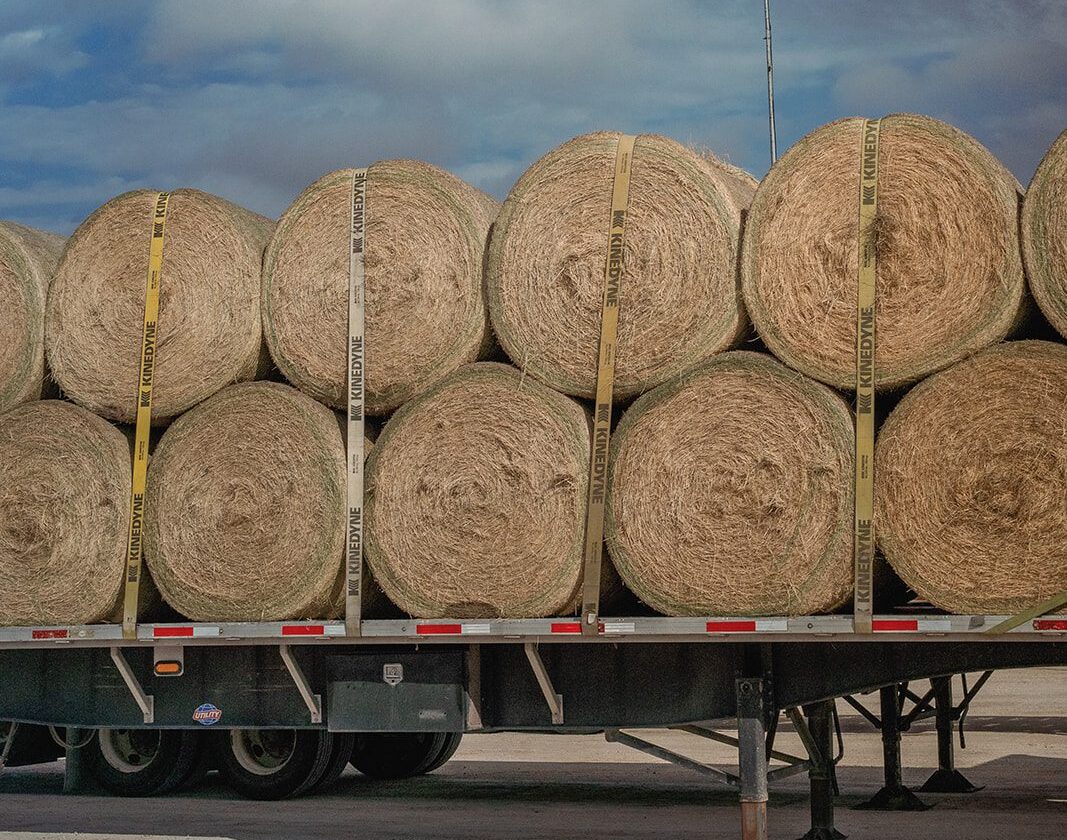
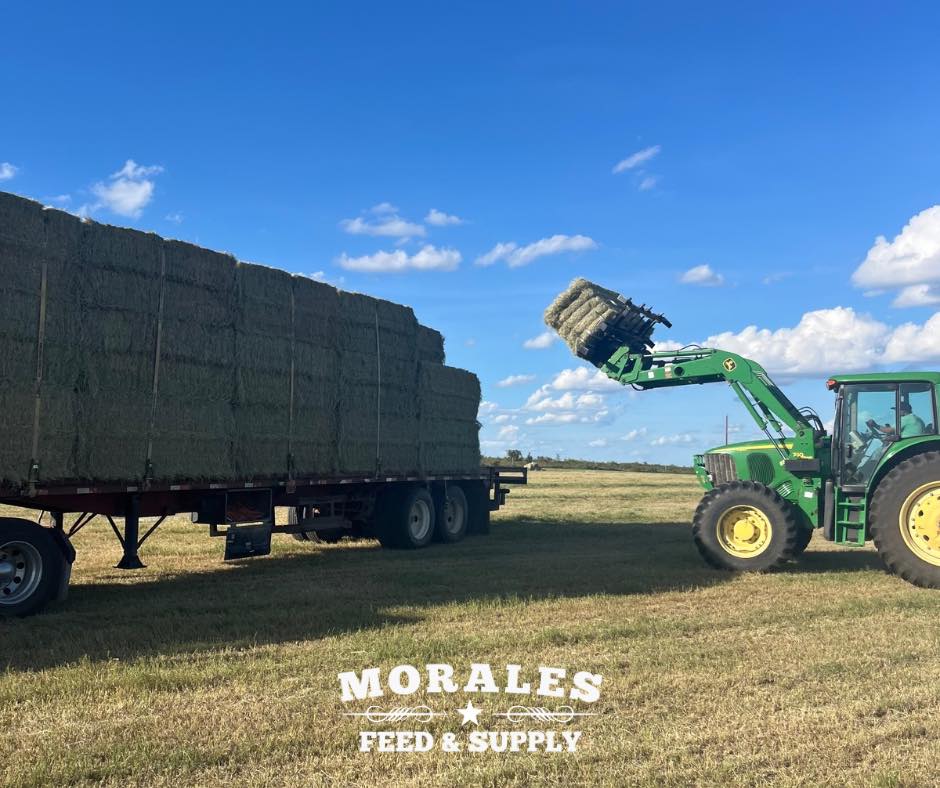
  • Stored hay production for off-season needs
  • Supplemental feed for performance consistency
  • Mineral programs for herd health
  • Strategic grazing rotation planning

Having reliable supply access matters when operations scale or conditions shift. That’s where dependable local partners like Morales Feed & Supply help keep operations running without interruption.

Equipment and Daily Operation Efficiency

Farming isn’t just land and livestock—it’s also machinery and logistics. Efficiency depends on:

  • Keeping equipment maintained and ready
  • Reducing downtime during planting and harvest
  • Having access to fuel, parts, and supplies
  • Planning labor and workflow during peak seasons

Small delays in equipment or inputs can ripple across the entire operation.

Managing Inputs for Profitability

Modern farming in South Texas is as much about economics as it is about production. Input costs for fertilizer, feed, seed, and fuel require careful planning.

Producers often focus on:

  • Maximizing yield per acre
  • Reducing waste in feed and fertilizer use
  • Improving grazing efficiency
  • Timing purchases around demand cycles

The goal is simple: produce more with what you already have.

The Role of Local Agricultural Support

Farming works best when support systems are close, reliable, and consistent. Local suppliers provide more than products—they provide continuity.

With feed, seed, and farm supplies available when needed, operations stay on schedule and avoid costly interruptions. That consistency is a major advantage in a fast-moving production environment.

Final Thoughts

South Texas farming is built on discipline, planning, and execution. From soil health to feed programs, every decision impacts the bigger system.

When farms stay organized and supported with the right inputs, they become more productive, more efficient, and more sustainable over time. And with trusted agricultural partners like Morales Feed & Supply, producers have the support they need to keep moving forward season after season.

Why Soil Health Matters for Texas Farms and Ranches

Texas agriculture is built from the ground up – literally. From hay fields and cattle operations to family farms and ranches, healthy soil is one of the most important resources producers have. In a state known for unpredictable weather, drought conditions, and intense heat, maintaining strong soil health can make the difference between thriving pastureland and struggling production.

At Morales Feed & Supply, supporting Texas agriculture means understanding the importance of the land itself. Healthy soil creates healthier forage, stronger livestock operations, and more productive farms for generations to come.

What Is Soil Health?

Soil health refers to the soil’s ability to function as a living ecosystem that supports plants, animals, and people. Healthy soil contains the right balance of nutrients, organic matter, water retention, and beneficial microorganisms that help crops and grasses grow efficiently.

In Texas, where climate and soil conditions can vary drastically from region to region, maintaining soil quality is critical for long-term agricultural success.

Key indicators of healthy soil include:

  • Strong organic matter levels
  • Good water infiltration and retention
  • Reduced erosion
  • Balanced nutrient levels
  • Active microbial life
  • Healthy root development

When soil is healthy, farms and ranches are better equipped to handle drought, heavy rainfall, grazing pressure, and changing weather patterns.

The Importance of Soil Health in Texas Agriculture

Texas producers face unique challenges throughout the year. Extended dry periods, high temperatures, and soil erosion can all impact crop yields and pasture performance.

Healthy soil helps producers by:

Improving Water Retention

Quality soil absorbs and stores water more effectively, which is especially important during Texas drought conditions. Better water retention means less runoff and stronger forage growth during dry seasons.

Increasing Forage Production

Healthy pastures produce better hay and grazing opportunities for livestock. Strong root systems and nutrient-rich soil contribute to higher-quality forage for cattle, horses, and other livestock.

Reducing Erosion

Wind and water erosion are common concerns across Texas farmland. Soil with healthy structure and ground cover is more resistant to erosion and nutrient loss.

Supporting Long-Term Farm Productivity

Investing in soil health today helps preserve farmland for future generations. Sustainable land management can improve productivity year after year while protecting the value of the property.

Ways Texas Farmers and Ranchers Can Improve Soil Health

Building healthier soil takes consistency and long-term management. Many Texas producers focus on practical strategies that strengthen their land over time.

Rotational Grazing

Managing grazing pressure allows pasture grasses time to recover and promotes healthier root systems.

Proper Fertilization

Balanced nutrients help maximize forage and crop production while preventing deficiencies in the soil.

Cover Crops

Cover crops can reduce erosion, improve moisture retention, and add organic matter back into the ground.

Limiting Soil Disturbance

Reducing excessive tillage helps preserve soil structure and beneficial microorganisms.

Quality Hay and Feed Programs

Strong nutrition programs support both livestock health and pasture management goals across working farms and ranches.

Supporting Texas Agriculture at Morales Feed & Supply

At Morales Feed & Supply, agriculture is more than a business — it is a way of life rooted in family farming and supporting local producers across Texas.

From hay, feed, and seed to dependable delivery and pickup services, Morales Feed & Supply works alongside farmers and ranchers who understand the value of healthy land and sustainable agriculture. Strong soil creates strong operations, and investing in the land today helps ensure productive farms for years to come.

Whether managing a cattle operation, maintaining horse property, or caring for pastureland, prioritizing soil health remains one of the smartest investments Texas producers can make.

Final Thoughts

Healthy soil is the foundation of every successful farm and ranch in Texas. Better soil leads to stronger forage, healthier livestock, improved drought resistance, and long-term agricultural sustainability.

As Texas agriculture continues to evolve, producers who focus on soil health will be better positioned for future success. Through hard work, stewardship, and support from agricultural partners like Morales, Texas farms and ranches can continue thriving for generations to come.

Winter Survival Tips for South Texas Farms: How to Protect Your Land, Livestock, and Operation

While South Texas isn’t known for relentless blizzards or subzero temperatures, the region is known for sudden cold snaps, unpredictable freezes, and long stretches of dry, windy weather during the winter months. These rapid temperature swings can catch farms off guard—impacting livestock health, forage availability, and overall productivity. Preparing ahead is the key to ensuring your operation stays resilient when the weather turns harsh.

1. Build a Winter Nutrition Plan

Winter may bring dormant pastures and reduced grazing quality. South Texas cattle often require supplemental feed to maintain body condition—especially pregnant cows and growing calves. Incorporating high-energy feeds such as cubes, cottonseed, or protein tubs ensures your herd receives the calories and nutrients needed to thrive through cold spells. Planning your feed inventory early prevents last-minute shortages when a freeze hits.

2. Protect Your Water Sources

Even in South Texas, stock tanks and water troughs can freeze on bitter mornings. Insulated troughs, tank heaters, or simply checking and breaking ice daily keep cattle drinking consistently—a critical factor in maintaining digestion and overall health. Make repairs to water lines before winter to prevent costly breaks when temperatures drop.

3. Provide Adequate Shelter and Windbreaks

You don’t need elaborate barns to protect your livestock. Natural windbreaks like brush lines, hay bales, or temporary fencing panels can drastically reduce wind chill stress. For smaller livestock—goats, sheep, or poultry—ensure they have dry bedding, draft-free housing, and protection from cold rain, which can be more dangerous than the temperature itself.

4. Monitor Body Condition Early and Often

Cold weather increases energy demands. Cattle in poor condition entering winter will struggle the most. Regularly assessing body condition scores helps you catch nutritional gaps before they become health issues. Adjust feed levels proactively to ensure your herd enters spring strong and productive.

5. Prepare Your Pastures and Equipment

Before winter arrives, repair fences, service tractors, stock up on hay, and create a plan for rotational grazing. Healthy, rested pastures tolerate winter stress far better and rebound quickly when temperatures warm. Preventative equipment maintenance also reduces downtime during crucial feeding windows.

Stay Ahead of the Weather

South Texas winters may be short, but they can be intense. A thoughtful preparation strategy protects your land, your livestock, and your bottom line. Planning now ensures your farm not only survives the season—but enters spring ready for growth. Connect with Morales Feed and Seed for the best tips for your farm.

The Benefits of Green Cover Seed for South Texas Growers

For South Texas growers, ranchers, and wildlife managers, improving soil health is one of the most reliable ways to increase long-term productivity. That’s why Green Cover Seed has quickly become a top choice at Morales Feed & Supply. Whether you’re managing a small homestead plot, a large row-crop operation, or a mixed-use ranch, Green Cover Seed delivers real, measurable results that can be seen above and below the soil line.

Improved Soil Health & Structure

Green Cover Seed blends are designed to build healthier soil from the ground up. Their diverse cover crop mixes promote better soil aggregation, increased microbial activity, and long-term organic matter development. In the tough, clay-dominant soils common across South Texas, these improvements translate to easier tillage, stronger root systems, and healthier crops year after year.

Increased Water Retention

Drought pressure is a reality for growers in this region—and one of the biggest reasons locals turn to Green Cover. Their mixes help increase water infiltration and reduce runoff, allowing the soil to store more moisture during dry spells. That means less stress on crops, more resilience during Texas heat waves, and more efficient use of every inch of rainfall.

Weed Suppression & Reduced Input Costs

A well-established cover crop canopy naturally shades out competitive weeds, saving you time and money on herbicide applications. Many South Texas customers at Morales Feed & Supply report significant reductions in chemical inputs after just one or two seasons of consistent cover crop management.

Better Forage for Livestock & Wildlife

From cattle operations to wildlife food plots, Green Cover blends provide nutrient-rich forage that boosts herd health and attracts game. Many mixes are tailored for protein development, soil rebuilding, and season-long grazing—ideal for ranchers looking to maximize acreage efficiency.

Local Support from Morales Feed & Supply

Choosing Green Cover Seed at Morales Feed & Supply means you’re not just buying seed – you’re backed by a local team that understands South Texas soils, seasons, and growing challenges. The Morales team can help you choose the right mix, planting rate, and timing for your land and goals.

Fall Planting Tips for South Texas Farms: Setting Up for a Strong Season

As summer heat fades and cooler mornings roll in, South Texas farmers know it’s time to get the ground ready. Fall planting sets the tone for a productive growing season, whether you’re managing pastureland, growing small grains, or improving soil health through cover crops. The right timing, seed selection, and soil preparation can make all the difference in your harvest come spring.

Choosing the Right Fall Crops

South Texas’ mild fall and winter climate provides excellent opportunities for cool-season planting. Popular options include ryegrass, oats, wheat, and clover, all of which establish well in early fall and help provide forage and ground cover through the cooler months.

Producers focused on livestock often plant winter forages that maintain quality grazing while protecting soil from erosion. At Morales Feed and Supply, we offer custom seed blends tailored to South Texas soils – from sandy loam to clay – ensuring optimal germination and nutrient use.

Soil Preparation and Fertility

Before planting, it’s critical to start with a soil test. Knowing your soil’s pH and nutrient levels helps determine the right fertilizer and lime application. Fall is also a great time to incorporate organic matter, compost, or soil amendments to build structure and retain moisture.

Products like Holganix or other soil health boosters can help jump-start microbial activity, improving root development and long-term fertility. Moisture conservation is especially important across South Texas, where fall rains can be unpredictable.

The Benefits of Cover Crops

Adding cover crops to your rotation improves soil health, increases nitrogen, and supports erosion control. Legumes like crimson clover and vetch work well in South Texas conditions, while cereal rye and triticale add biomass and suppress weeds. These mixes keep your land productive year-round and set up spring crops for success.

Plan Ahead, Plant Smart

Fall planting isn’t just about what goes in the ground — it’s about planning for the seasons ahead. Visit us at Morales Feed and Supply for seed, fertilizer, and expert advice on setting your fields up for a strong season from the ground up.

The Benefits of Holganix for South Texas Farms

Challenges Facing South Texas Farmers

South Texas farmers face a range of challenges – nutrient-depleted soils, intense heat, and inconsistent rainfall. That’s why we are turning to Holganix, a revolutionary line of plant probiotics and bio-nutritional products designed to restore soil biology, improve crop resilience, and reduce the need for synthetic inputs.

Learn how we are striving for better soil at Morales Hay Feed and Seed.

How Holganix Works

Holganix works by introducing beneficial microbes into the soil, kickstarting natural processes that build up organic matter and boost nutrient cycling. For South Texas soil – often low in organic content and exposed to heavy agricultural use, this biological approach brings rapid, visible improvements. The soil becomes more active, with better structure, deeper root growth, and greater microbial diversity.

Boosting Drought Tolerance

One of the standout benefits of Holganix in South Texas is increased drought tolerance. In a region known for hot summers and limited rainfall, Holganix helps plants develop stronger roots, allowing them to access water deeper in the soil profile. This results in healthier crops even during dry spells – something we strive for in South Texas.

Supporting Sustainable Farming Practices

Holganix also supports sustainable farming practices. By enhancing soil biology, farmers can cut back on synthetic fertilizers and pesticides. This not only saves money but reduces the chemical load on the land and nearby water sources. In South Texas, where conservation and longevity matter, that’s a big win for both the environment and the farm’s bottom line.

Proven Results Across South Texas Operations

From cotton fields and citrus orchards to row crops and pastures, Holganix products are proving effective across a wide variety of South Texas operations. Many farmers report higher yields, improved crop quality, and better soil performance season after season.

A Tool for Regenerative Agriculture

In addition, Holganix helps farms transition toward regenerative practices. When paired with techniques like no-till farming or cover cropping, its benefits multiply – creating a truly healthy soil ecosystem that supports long-term agricultural success.

The Future of Soil Health in South Texas

Holganix offers South Texas farms a natural, science-backed way to rebuild soil health, reduce inputs, and increase resilience. As soil challenges grow in intensity, products like Holganix provide a sustainable, profitable path forward for hardworking Texas farms ready to restore their land from the ground up.

Soil Health & Its Role in Pasture Management

Healthy pastures begin with healthy soil. Whether you manage a small homestead or a large ranch, soil health directly affects forage quality, livestock nutrition, and overall land sustainability. Without proper soil care, pastures become compacted, nutrient-deficient, and prone to erosion, reducing forage yields.

At Morales Feed and Supply, we help livestock owners optimize their pastures through proper soil management. This guide explores the essential role soil health plays in pasture productivity and how to improve it.

Why Soil Health Matters in Pasture Management

Soil is the foundation of any grazing system. Its health determines forage growth, water retention, and resistance to pests and diseases. Poor soil conditions lead to:

  • Reduced forage production
  • Nutrient imbalances affecting livestock nutrition
  • Soil erosion and water runoff issues
  • Increased weed growth

Key Indicators of Healthy Pasture Soil

  • Proper pH Levels – Most pasture grasses thrive in soil with a pH between 6.0 and 7.0.
  • Good Soil Structure – Loamy soil with good aeration promotes deep root growth.
  • High Organic Matter – Supports microbial activity and improves nutrient cycling.
  • Adequate Moisture Retention – Prevents drought stress in grasses.

Soil Management Practices for Healthy Pastures

  • Regular Soil Testing – Helps determine nutrient deficiencies and pH imbalances.
  • Applying Fertilizers and Soil Amendments – Compost, manure, and lime improve fertility.
  • Rotational Grazing – Prevents overgrazing and maintains soil cover.
  • Aeration and Tillage – Reduces soil compaction for better root development.
  • Erosion Control – Plant cover crops or install buffer strips to reduce runoff.

Soil health is essential for productive pastures and healthy livestock. By implementing the right soil management strategies, you can maximize forage production, improve soil fertility, and create a sustainable grazing system. For expert advice and high-quality soil amendments, visit Morales Feed and Supply.

Post-Rut Feeding for Whitetail Deer

The Critical Recovery Period After the Rut

The rut is one of the most physically taxing times for whitetail deer, especially bucks. By the end of the rut, many bucks have lost up to 25% of their body weight and are in dire need of nutritional replenishment. Post-rut feeding is crucial for helping deer regain their strength and prepare for winter survival. Learn the importance of post-rut feeding for whitetail deer to aid recovery and support herd health during winter.

Why Post-Rut Feeding for Whitetail Deer Matters

During the rut, bucks prioritize breeding over feeding, leading to significant energy deficits. The right post-rut diet helps:

  • Rebuild Body Mass: High-energy feeds allow bucks to regain lost weight.
  • Boost Immune Health: Proper nutrition reduces vulnerability to winter illnesses.
  • Support Pregnant Does: Ensures does have the nutrients needed for healthy fawn development.

Key Nutrients for Post-Rut Recovery

  1. Protein: Supports muscle repair and immune function.
  2. Fats: Provides a dense energy source for quick recovery.
  3. Minerals: Essential for antler regrowth and overall health.

Effective Post-Rut Feeding Practices

  • Offer Supplemental Feed: Use protein blocks or wildlife pellets in designated feeding areas.
  • Ensure Access to Fresh Water: Hydration is critical for nutrient absorption.
  • Provide Cover: Feeding areas near natural cover reduce stress and predation risks.

Partner With Morales Feed and Supply

For all your post-rut feeding needs, trust Morales Feed and Supply. Our selection of protein blocks, wildlife pellets, and mineral supplements ensures whitetail deer recover quickly and thrive throughout winter. Visit Morales Feed and Supply for expert guidance and premium products.

Why Feed Fiber (Hay) Matters for Wildlife in Winter

The Importance of Fiber for Winter Wildlife

Fiber-rich feeds like hay are the backbone of winter nutrition for wildlife, particularly herbivores and ruminants. As natural vegetation becomes scarce during colder months, hay provides an essential substitute that keeps animals nourished and healthy. Learn why feed fiber like hay is essential for wildlife during winter, supporting energy and digestive health.

Feed Fiber for Wildlife

How Fiber Supports Energy Needs in Winter

Fiber serves as a slow-release energy source, helping animals maintain body heat during freezing temperatures. Unlike quick-digesting carbohydrates, fiber undergoes fermentation in the gut, providing a steady energy supply that is especially critical in harsh weather conditions.

  • Sustained Warmth: Fermentation produces heat internally, aiding thermoregulation.
  • Endurance Boost: The energy derived from fiber helps animals sustain activity levels during resource-scarce months.

Digestive Health Benefits of Hay

For ruminant species like deer, elk, and goats, fiber supports the complex digestive processes in their multi-chambered stomachs. Proper digestion ensures that wildlife maximizes the nutrients they consume, even when food diversity is limited.

  • Gut Microbe Support: Fiber feeds beneficial microbes, keeping digestive systems balanced.
  • Preventing Hunger Stress: Access to hay reduces the stress of foraging when natural vegetation is unavailable.

Types of Hay for Wildlife

The quality and type of hay matter for wildlife feeding. Options like alfalfa, timothy, or clover hay offer different nutritional benefits:

  • Alfalfa Hay: High in protein and energy, ideal for nutrient-depleted animals.
  • Grass Hay: Lower in protein but rich in fiber, excellent for maintaining digestive health.
  • Clover Hay: A balance of fiber and moderate protein.

Tips for Safe Hay Feeding

  1. Distribute in Covered Areas: Prevent hay from getting wet or moldy.
  2. Monitor Wildlife Activity: Adjust feeding quantities based on demand.
  3. Mix With Natural Forage: Allow wildlife to graze naturally in addition to feeding hay.

Why Choose Morales Feed and Supply?

For the highest quality hay and expert advice on winter feeding, visit Morales Feed and Supply in Devine, Texas. Their range of fiber-rich feed products ensures wildlife and livestock stay healthy throughout the colder months. Learn more at Morales Feed and Supply.

Holiday Tips for Farm and Ranch Owners

Essential Supplies and Tips

The holiday season is a busy time for Texas farm and ranch owners, and preparing now can help ensure a smooth, enjoyable season. From securing essential supplies to managing livestock in cooler weather, here are some top tips to get your property holiday-ready.

Farm holiday supplies Texas

Preparing Livestock for Cold Weather

Cooler weather requires adjustments to livestock care, from bedding arrangements to nutrition changes. Cattle, horses, and small animals like goats and sheep may need extra bedding and insulated shelter during colder nights. Invest in hay and straw for bedding and ensure sheds are secure and free of drafts.

Also, consider increasing protein and fat in your livestock’s diet to provide additional energy. Morales Feed & Supply offers a variety of winter-appropriate livestock feeds tailored to the needs of each species.

Tips for Farm and Ranch Owners – Feed and Supply Stock-up

With holiday schedules and winter storms potentially impacting supply chains, it’s wise to stock up on essential feed and supplies ahead of time. Stockpile feeds, hay, and minerals for livestock, and don’t forget necessities like fuel, tools, and repair materials.

Morales Feed & Supply provides high-quality livestock feeds, bedding materials, and supplements, ensuring you have what you need to keep your operations running smoothly, regardless of weather or holiday closures.

Tips for Farm and Ranch Owners – Decorations and Safety Tips

Holiday decorations can bring warmth and festivity to a farm or ranch, but keeping safety in mind is essential. Choose outdoor-safe, animal-friendly lights, and avoid using hazardous materials near barns or animal enclosures. For instance, battery-powered lights and shatterproof ornaments reduce risks for both animals and equipment.

Creating a welcoming environment with thoughtful decorations enhances the holiday spirit while maintaining a safe space for livestock and pets.

Prepping your farm or ranch for the holidays not only makes the season easier but also creates a welcoming atmosphere for family and friends who visit during this special time of year. By taking proactive steps now, you’ll enjoy a festive and safe season. Morales Feed & Supply is here to help with quality products that meet the unique needs of Texas agriculture.