
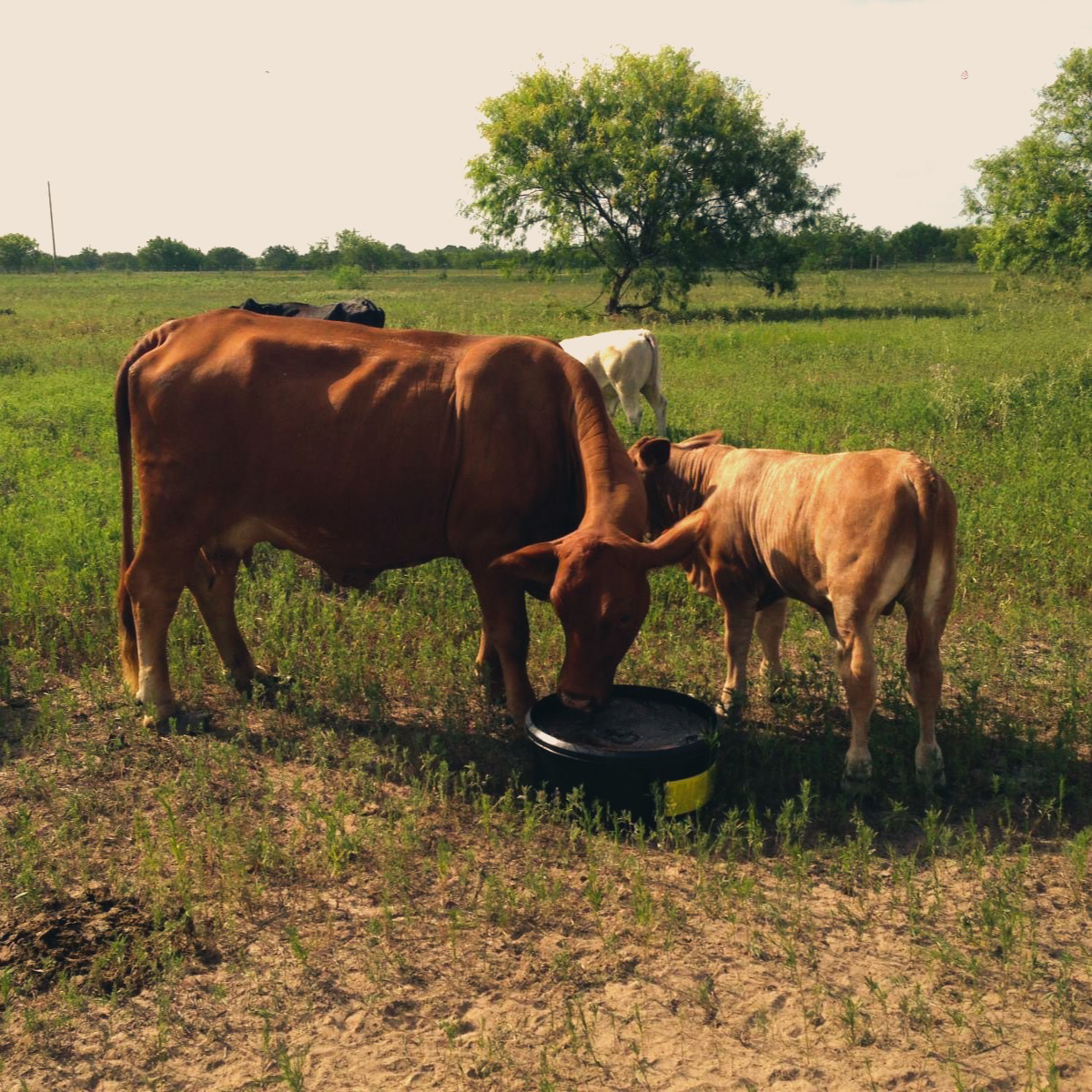
The cattle market has been one of the biggest agricultural stories of 2026.
Texas cattle producers are operating in an unusually tight supply environment, with Texas A&M AgriLife reporting in early August that cattle prices still had room to move higher.
At the same time, the U.S. cattle herd remains historically tight, creating challenges throughout the beef supply chain. Tyson Foods announced plans this month to close or sell three U.S. beef facilities, citing the severe cattle shortage and continued pressure on its beef business.
For cattle producers, that makes every management decision more important — including the feed program.
Feed Efficiency Matters
When cattle values are strong, producers naturally want to make the most of the animals already on the operation.
That starts with understanding what livestock need and matching the feed program to those needs.
Not every animal requires the same nutritional approach. Cow-calf pairs, replacement heifers, stockers and mature cattle can all have different requirements depending on age, weight, production stage and forage availability.
A thoughtful feed program can help producers avoid both underfeeding and unnecessary expense.
Forage Is Still the Foundation
Even in a strong cattle market, pasture and hay remain critical.
The challenge this year is that forage conditions aren’t uniform. Heat and moisture stress continue to affect agricultural regions, while drought has left significant portions of cattle and hay inventory in affected areas.
That makes forage planning particularly important heading into fall.
Producers should know how much pasture they have available, how quickly it is being consumed and how much stored forage is on hand.
Don’t Let a Strong Market Change Good Management
Strong cattle prices can create opportunities, but they don’t eliminate the need for careful management.
Feed costs still matter. Pasture conditions still matter. Water still matters.
And when forage conditions change, the best response is often to adjust early rather than wait until livestock are already short on nutrition.
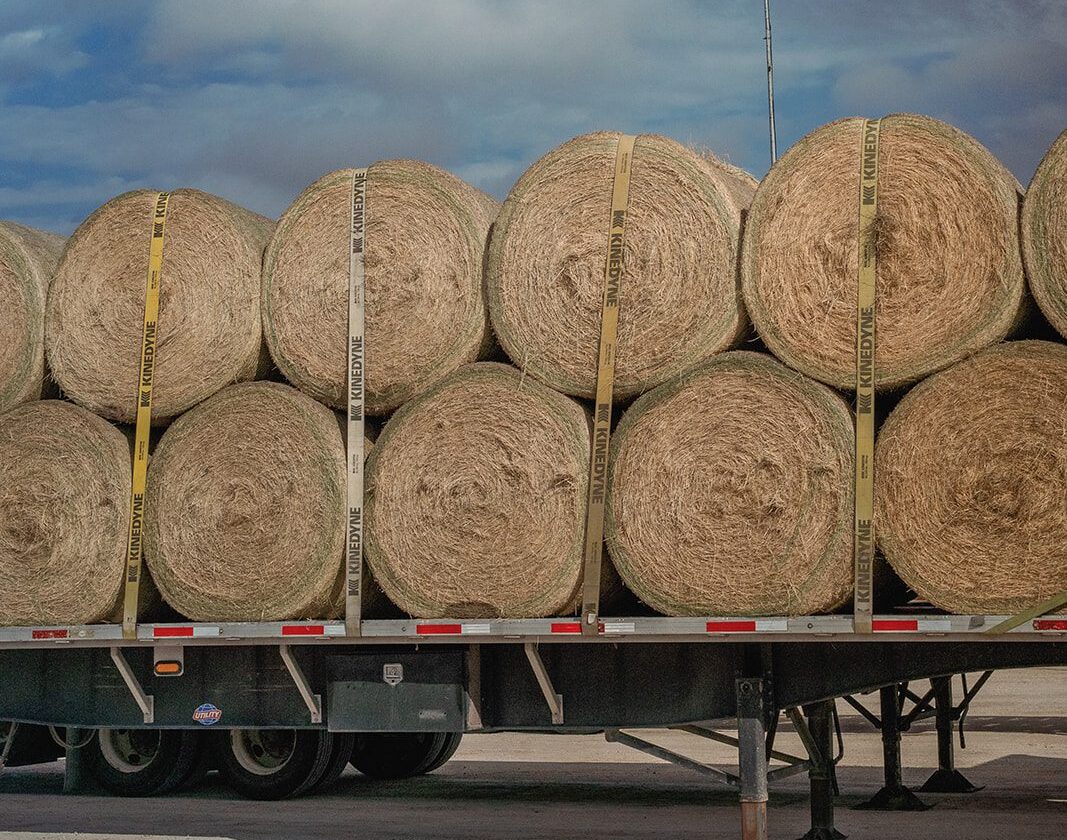
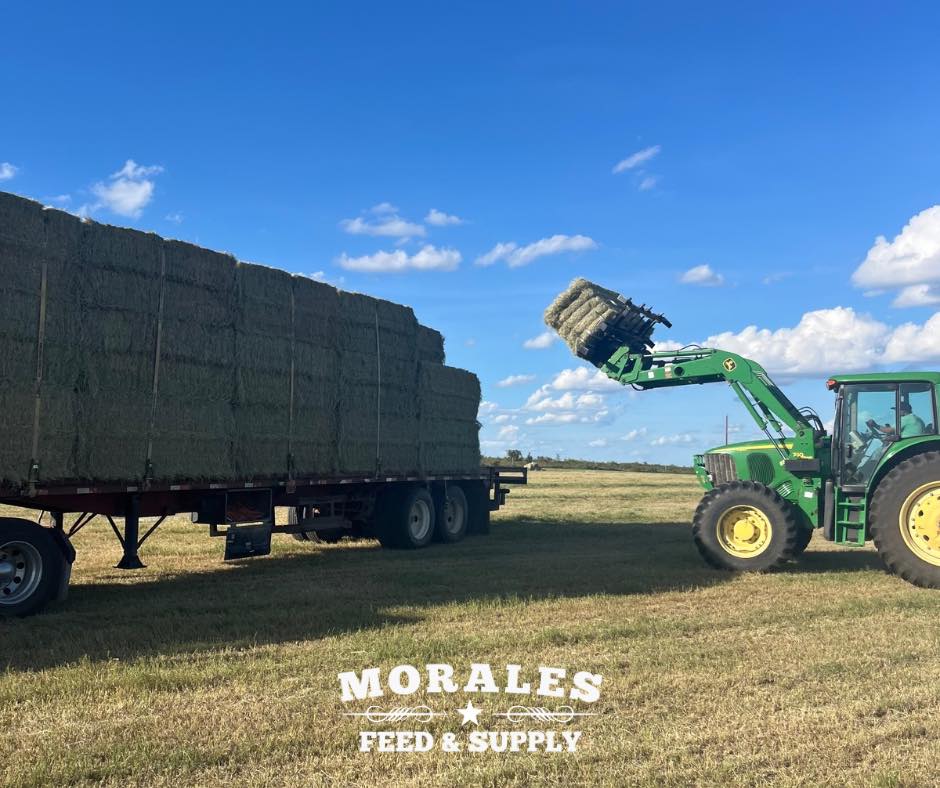
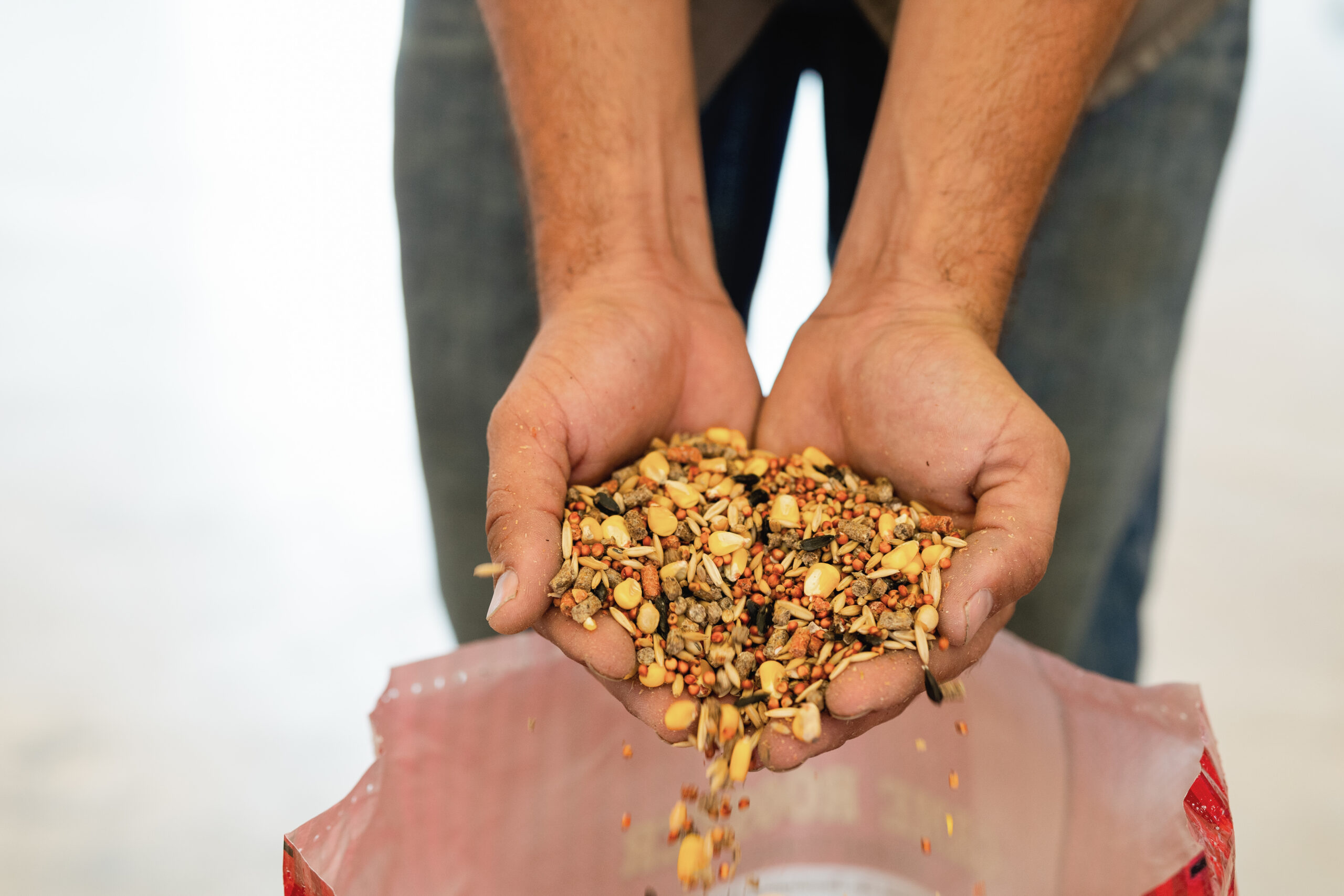
Keeping a reliable supply of hay and supplemental feed available can give producers more flexibility when weather or pasture conditions don’t cooperate.
Plan for the Months Ahead
August is a good time to look beyond today’s cattle price and think about the entire fall and winter feeding plan.
Ask yourself:
How much forage do I have?
How long will it last?
What will my cattle need as pasture quality changes?
Do I need to secure additional hay or feed?
Can my current pasture support the herd through the next season?
The answers will look different for every operation.
That’s what makes good livestock management more than simply following the market. It’s about understanding your herd, your land, your feed supply and the conditions around you.
At Morales, we’re proud to serve the people who keep Texas agriculture moving. From hay and feed to the everyday supplies that keep an operation running, we’re here to help you stay prepared — whatever the season brings.

 Preparing for fall and winter farming in Texas is essential for ensuring year-round soil health and farm productivity. One of the most effective strategies for Texas farmers is planting crops that not only support soil structure but also provide valuable forage for livestock during colder months. For example, ryegrass is an ideal cool-season crop that grows quickly and offers high-quality forage while preventing soil erosion. Similarly, winter wheat and clover offer excellent grazing and soil fertility benefits. Farmers looking for top-quality Farming seeds and farming supplies should consider
 Choosing the right location is key. Look for areas with good sunlight exposure and well-drained soil. It’s also important to consider the proximity to water sources, as wildlife will frequent locations where both food and water are easily accessible.