
Fall and Winter Farming Seeds: What to Plant in Texas and Why

Best Fall/Winter Crops for Texas

Morales Feed Supply | Farming SeedsPreparing for fall and winter farming in Texas is essential for ensuring year-round soil health and farm productivity. One of the most effective strategies for Texas farmers is planting crops that not only support soil structure but also provide valuable forage for livestock during colder months. For example, ryegrass is an ideal cool-season crop that grows quickly and offers high-quality forage while preventing soil erosion. Similarly, winter wheat and clover offer excellent grazing and soil fertility benefits. Farmers looking for top-quality Farming seeds and farming supplies should consider Morales Feed & Supply, which offers a range of seeds, feed, and other essential farming products. By purchasing from trusted suppliers, farmers can ensure they are planting crops that will thrive in Texas’s diverse climate and soil conditions.
The Importance of Cover Crops

Cover crops like ryegrass, oats, and clover are integral to sustainable farming practices in Texas. They help protect soil from erosion, retain moisture during droughts, and enhance soil fertility through natural processes like nitrogen fixation. Planting these crops during the fall and winter months offers additional benefits, such as suppressing weeds and improving water infiltration.

By choosing high-quality cover crops from reliable suppliers such as Morales Feed & Supply, Texas farmers can ensure they are adopting practices that improve soil health while maintaining farm productivity year-round.

Sustainability and Soil Health in Texas

Sustainable farming practices are essential for protecting soil health and ensuring long-term productivity in Texas. Cover crops play a vital role in these practices by improving soil structure, preventing erosion, and enriching the land with organic matter. By selecting the right seeds for fall and winter planting, Texas farmers can reduce their reliance on synthetic fertilizers, lower feed costs, and support healthier ecosystems.

Farmers seeking expert guidance and premium seeds for fall and winter farming should explore the wide range of products available at Morales Feed & Supply. From ryegrass to clover, they offer a selection of seeds designed to thrive in Texas’s unique climate, ensuring that your farm remains productive through every season.

Choosing the right fall and winter farming seeds crops is critical for maintaining soil health and farm sustainability in Texas. Crops like ryegrass, winter wheat, clover, and oats offer a range of benefits, from providing livestock forage to protecting soil from erosion. By purchasing high-quality seeds and farming supplies from Morales Feed & Supply, Texas farmers can ensure they are making informed decisions that support both their operations and the environment.

The Importance of Hay and Cottonseed for Wildlife in Texas

Morales Feed Supply | Hay for Texas wildlifeThe Role of Hay for Wildlife Nutrition
In particular, Texas faces periods of drought and harsh winter conditions that limit the availability of fresh vegetation. During these tough seasons, Hay and Cottonseed becomes an essential supplement, helping sustain wildlife health and preserving natural habitats.

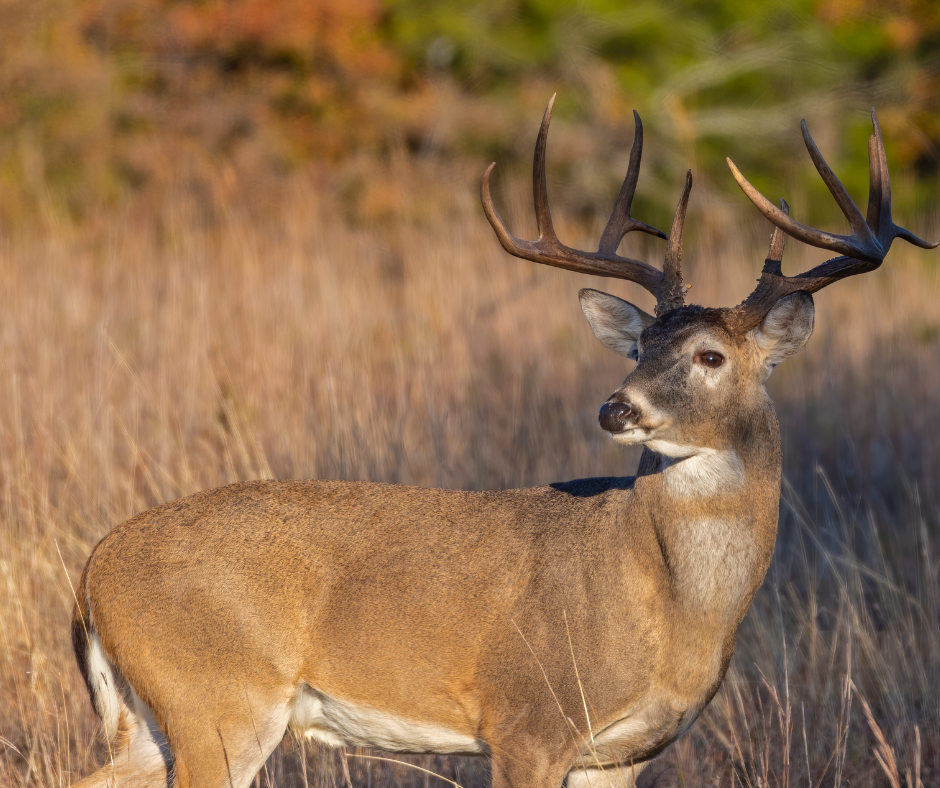
Hay, particularly high-quality varieties like alfalfa, is a nutrient-dense food source that provides wildlife with the necessary fiber, protein, and energy. Alfalfa is especially rich in protein, which is vital for animals such as deer, which require higher protein intake for antler growth and reproductive health. Proper rumen function in deer is crucial, as this allows them to digest food efficiently.

Furthermore, providing supplemental hay during seasons of low vegetation availability helps maintain the health of deer populations. This, in turn, promotes a more sustainable ecosystem in which other species can also flourish.

During Texas’s harsh summers and dry winters, supplementing wildlife diets with hay from reliable suppliers such as Morales Feed & Supply ensures that animals like deer, whose natural forage options may dwindle, remain healthy and avoid malnutrition.


The Benefits of Cottonseed for Wildlife

The high fat content also helps animals build up reserves to get through harsh winter conditions when foraging is minimal. Additionally, the high protein levels in cottonseed support reproductive health in does, helping them produce and nurture healthy fawns.

For bucks, which expend vast amounts of energy during the breeding season, cottonseed ensures they maintain their strength and stamina throughout this crucial period. It also contributes to better body condition and overall vitality, which is essential for the population’s long-term health.

One of the primary benefits of incorporating hay and cottonseed into wildlife management practices is the ability to prevent long-term habitat degradation. When natural resources become scarce, wildlife often overgrazes, leading to erosion and the depletion of native plant species. By supplementing with nutrient-dense feeds, landowners help protect the landscape from further damage, ensuring a more balanced and sustainable environment. Ultimately, a well-planned feeding strategy promotes healthier ecosystems and contributes to biodiversity conservation in Texas.

Conclusion

In Texas, where the climate can be unforgiving, managing wildlife nutrition is key to maintaining a healthy ecosystem. Hay and cottonseed are invaluable tools in ensuring wildlife, particularly deer, get the nutrition they need to thrive during challenging seasons. By integrating these feeds into their wildlife management plans, landowners and ranchers can foster healthier wildlife populations and promote sustainable land use. Morales Feed & Supply provides Texas landowners with high-quality feed options, contributing to more sustainable wildlife management practices.

Prepare for Fall/Winter Farming with Bulk Feeders

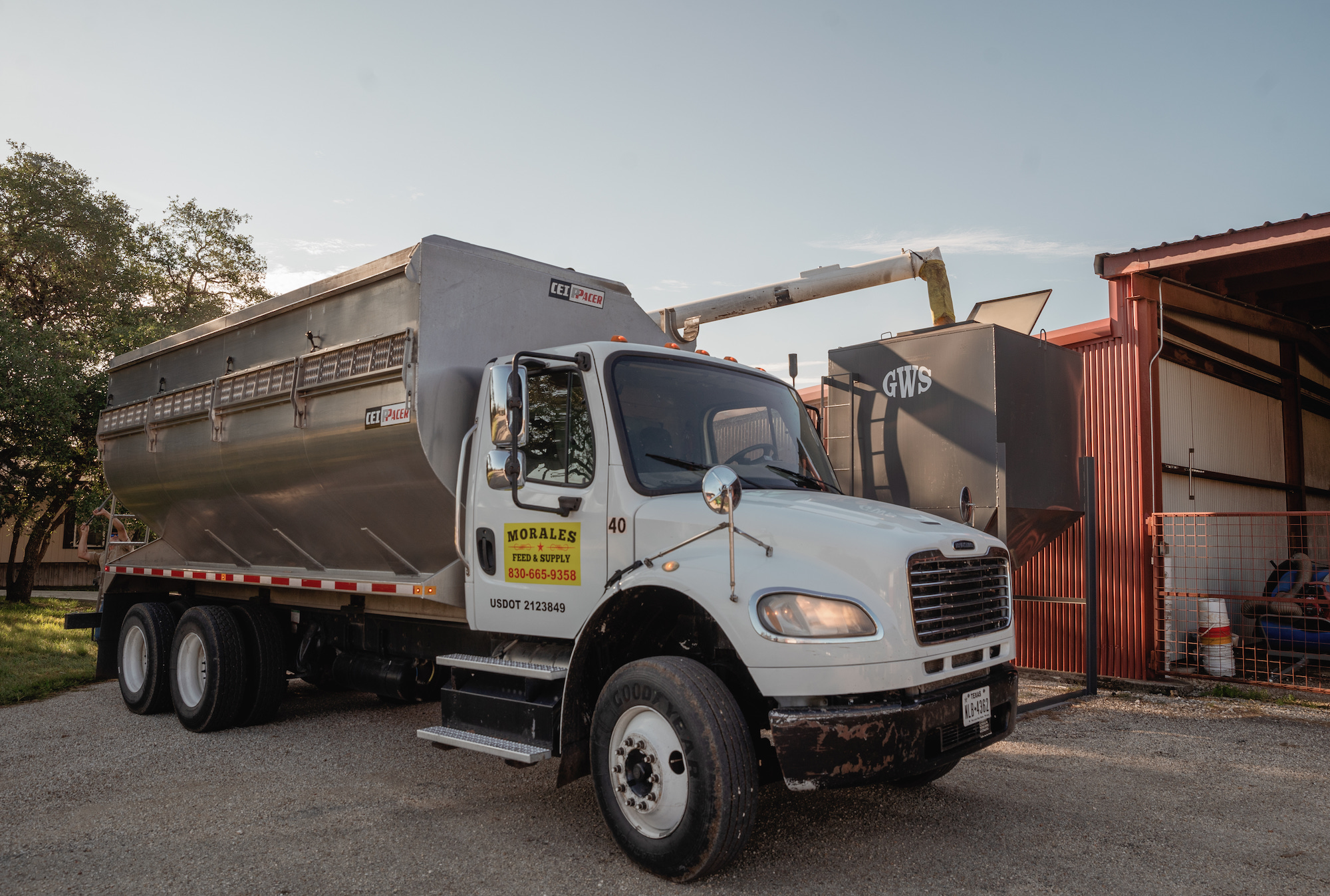
As fall and winter approach, maintaining efficient feeding practices becomes even more important to keep your livestock healthy and your farm running smoothly. At Morales Feed & Supply, we provide a range of high-quality bulk feeders that help streamline feed distribution, making your operations easier and more efficient during the colder months.
Prepare for Fall/Winter Farming with Bulk Feeders

Why Choose Bulk Feeders for Fall/Winter?

When temperatures drop, consistent feeding is critical to maintaining livestock health. Bulk feeders allow you to store and distribute large volumes of feed at once, reducing the frequency of refills and minimizing exposure to harsh weather. This not only saves time but also ensures that your animals have access to feed whenever they need it, keeping them healthy and strong throughout the season.

Our feeders are designed for durability, built to withstand the elements, and large enough to accommodate multiple animals, making them an ideal solution for cattle, horses, and other livestock. Whether you’re running a large operation or a smaller farm, our bulk feeders offer flexibility and reliability when you need it most.

Benefits of Using Bulk Feeders During Winter

  • Time Efficiency: With bulk feeders, you spend less time refilling, freeing up your schedule for other farm tasks.
  • Feed Conservation: Bulk feeders help reduce waste, ensuring that feed stays clean and dry, and is available when your livestock need it most.
  • Consistency in Nutrition: Providing constant access to feed helps maintain your livestock’s health and energy during colder weather, when they require more nutrients to stay warm.

Get Ready for Winter with Morales Feed & Supply
At Morales Feed & Supply, we understand the unique challenges of farming during fall and winter. That’s why we offer a wide selection of bulk feeders that cater to the specific needs of your farm. Whether you’re feeding large herds or smaller groups, we have the right equipment to keep your operations running smoothly.
Bulk Feeders from Morales Feed & Supply

Need help deciding which feeder is best for your farm? Our expert team is always ready to provide advice and support, ensuring you find the right solution.

Discover How We Improve Our Services

As part of our mission to deliver top-tier farming products and advice, Deer Camp Digital helps us maintain a strong online presence, making it easier for farmers like you to access the best tools and resources for your farm. Visit their website to learn more about how we enhance our services through expert marketing strategies.

Prepare your farm for the colder months with Morales Feed & Supply. Our bulk feeders are designed to make feeding your livestock easier and more efficient during fall and winter, ensuring your animals stay nourished and healthy. Visit us today to find the perfect feeder for your needs!

How to Plant Fall Food Plots for Wildlife in Texas

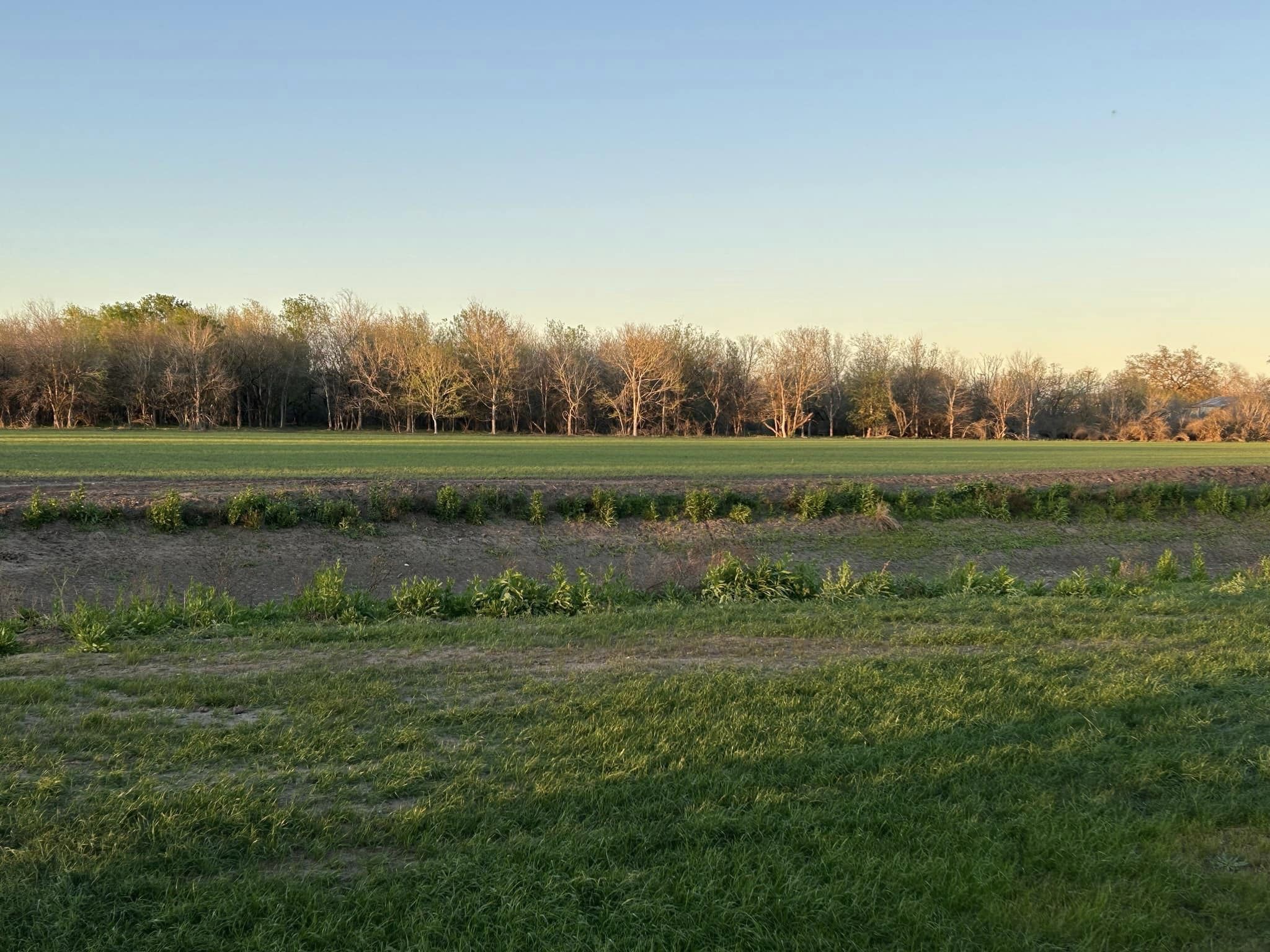
Fall is the ideal time to establish food plots for wildlife in Texas. With cooler temperatures and increased rainfall, the conditions are perfect for planting a variety of crops that will provide essential nutrients for deer, turkey, and other wildlife throughout the colder months.

Food plots

Planning Your Food Plot

Food PlotsChoosing the right location is key. Look for areas with good sunlight exposure and well-drained soil. It’s also important to consider the proximity to water sources, as wildlife will frequent locations where both food and water are easily accessible.
Selecting the Best Seed Mix

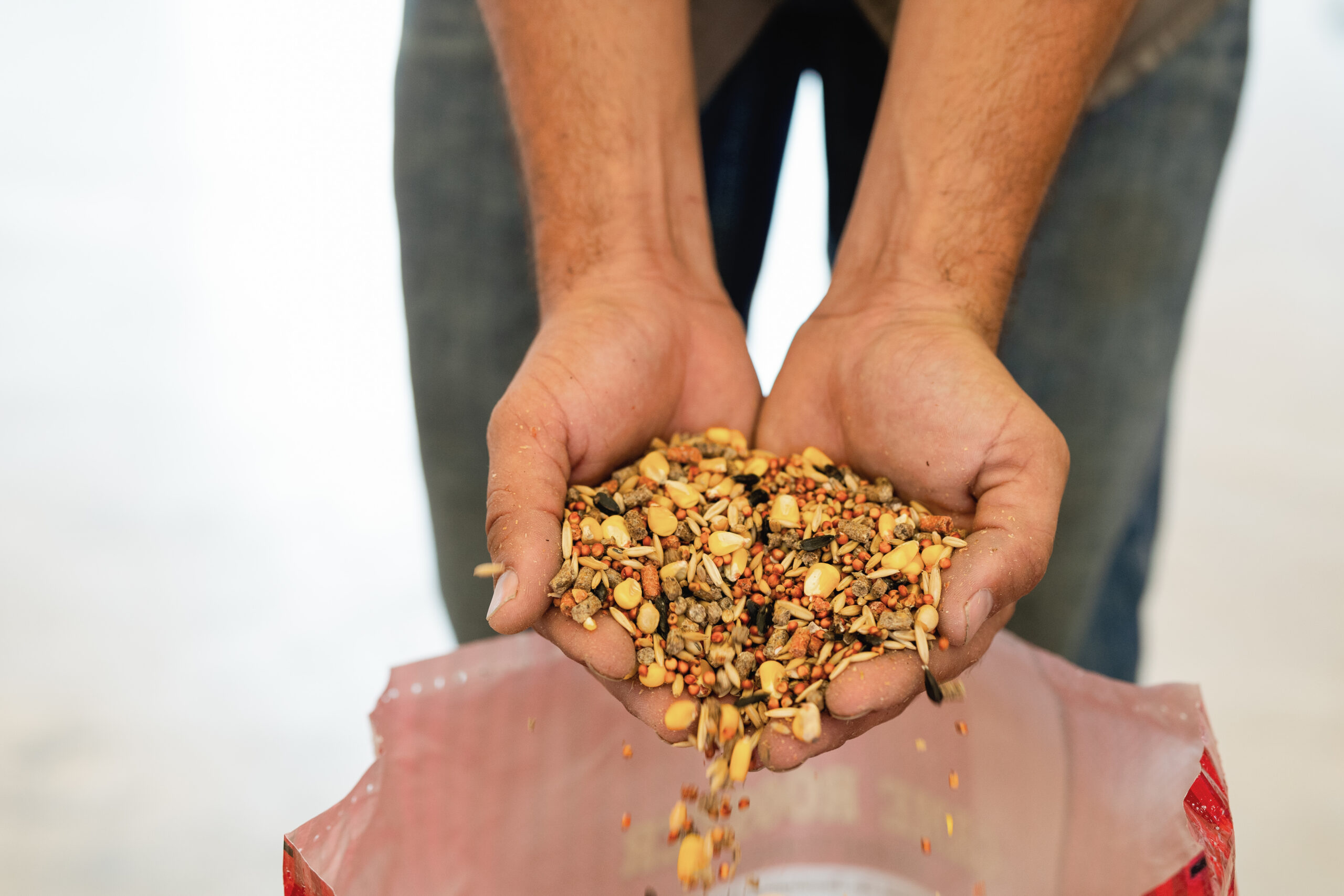
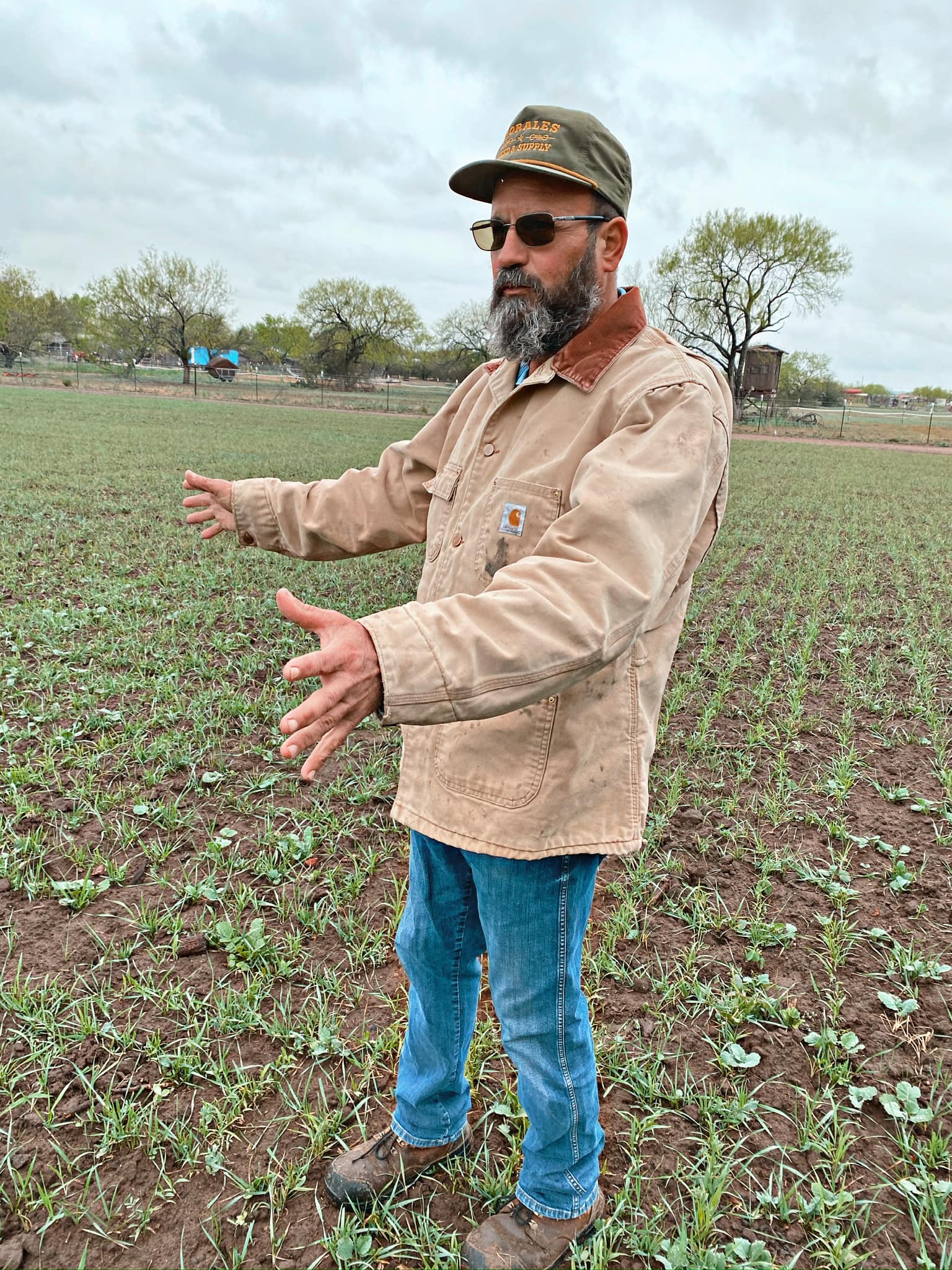
For your fall food plot, oats and ryegrass are two of the most popular and reliable seed options. These crops are well-suited to Texas’s cooler fall weather and provide energy-rich forage for deer. In addition, Morales Feed & Supply offers a range of specialty seeds, including radishes, turnips, clovers, peas, and vetch, allowing you to tailor your food plot to support diverse wildlife and soil health.

No-Till Planting and Fertilization Options

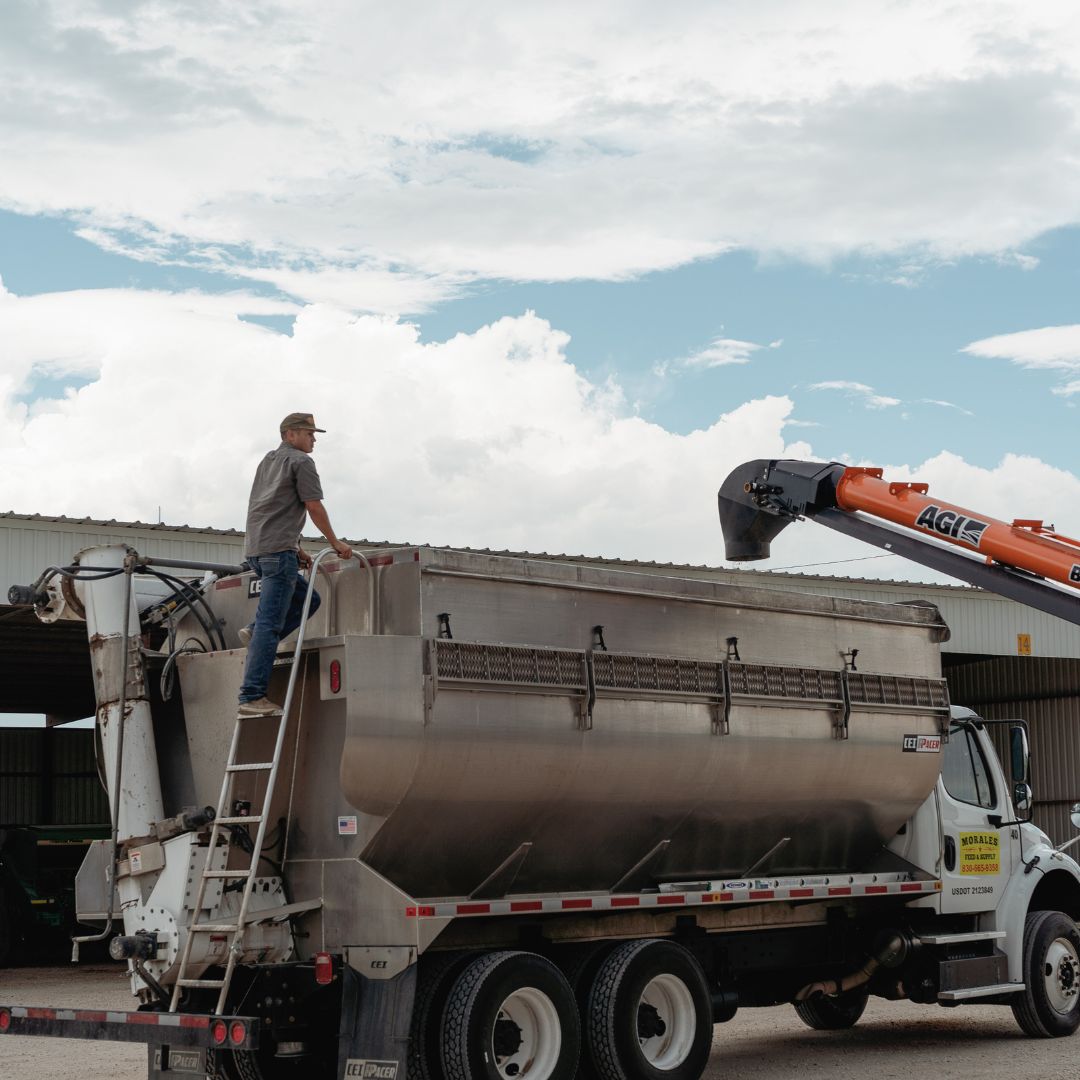
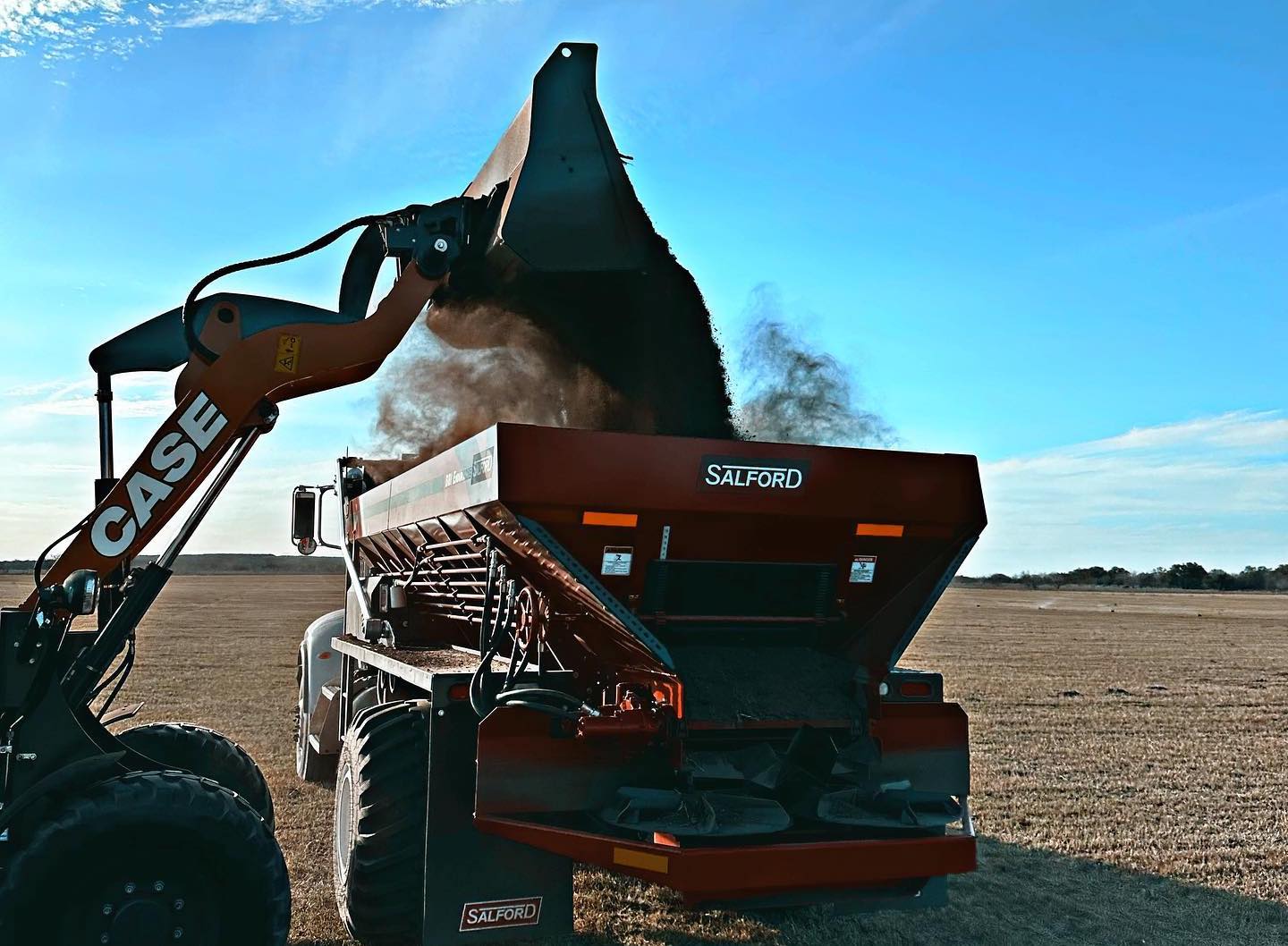
At Morales Feed & Supply, we offer a no-till drill for rent, making it easy to plant your food plot without disturbing the soil. This method helps preserve soil integrity and reduces erosion. We also have several fertilizer options, including synthetic blends and organic chicken litter, to ensure your crops receive the nutrients they need to thrive. Our spreader truck service, available out of Devine, can handle fertilizer and seed spreading for you, or you can rent a pull-behind spreader for personal use. While spreading services are centered in Devine, seeds are also available at our Freer location.

Planting all food plots in Texas is a rewarding way to support local wildlife. With the right seed mix, location, and planting method, your food plot will provide a valuable resource throughout the winter months. By utilizing the no-till drill and fertilizer options from Morales Feed & Supply, you’ll ensure that your wildlife management plan is both efficient and effective.

Fall Planting and Cover Crops for Texas Wildlife

As the temperatures drop, fall planting becomes an important task for Texas landowners aiming to support wildlife. Establishing food plots and cover crops during this season provides a crucial food source and protection from the elements, ensuring that wildlife thrives through the winter.

The Benefits of Fall Planting for Wildlife

Fall-planted crops offer a sustainable food source for wildlife when other resources are scarce. By planting during this season, you attract deer, turkey, and other game to your land, giving them access to nutrient-dense food that boosts their health and survival.

Cover Crops

Best Crops to Plant in the Fall

For Texas landowners, oats and ryegrass are the two most familiar seeds for fall planting. These crops grow quickly and are ideal for cooler temperatures, providing reliable forage for deer and other wildlife. In addition to these staples, Morales Feed & Supply offers specialty seeds like radishes, turnips, clovers, peas, and vetch. These diverse options provide a variety of nutrients that will enhance the health of the wildlife on your property.

Maintaining your pasture or cropland takes a lot of work. There are various products we carry that can get you the best return from your pasture.

Call or visit the store today for a consultation!

No-Till Planting and Fertilization Services

To make your fall planting easier, Morales Feed & Supply offers a no-till drill rental for planting. This equipment allows you to plant efficiently without the need to till the soil, preserving its structure. We also provide fertilizer options, including synthetic blends and organic chicken litter. For those needing assistance, we offer spreading services through our base in Devine, TX, including a spreader truck to distribute fertilizer and seed. For DIY enthusiasts, we have pull-behind spreaders available for rent. While our spreading services are centered in Devine due to equipment availability, all seeds can be accessed at our Freer, TX location.

Fall planting is a crucial step in maintaining a healthy wildlife habitat in Texas. By utilizing the right seeds and services from Morales Feed & Supply, you can ensure your land supports wildlife through the colder months. Whether you’re planting oats, ryegrass, or specialty crops, our no-till drill and fertilization options will help you get the job done efficiently and effectively.

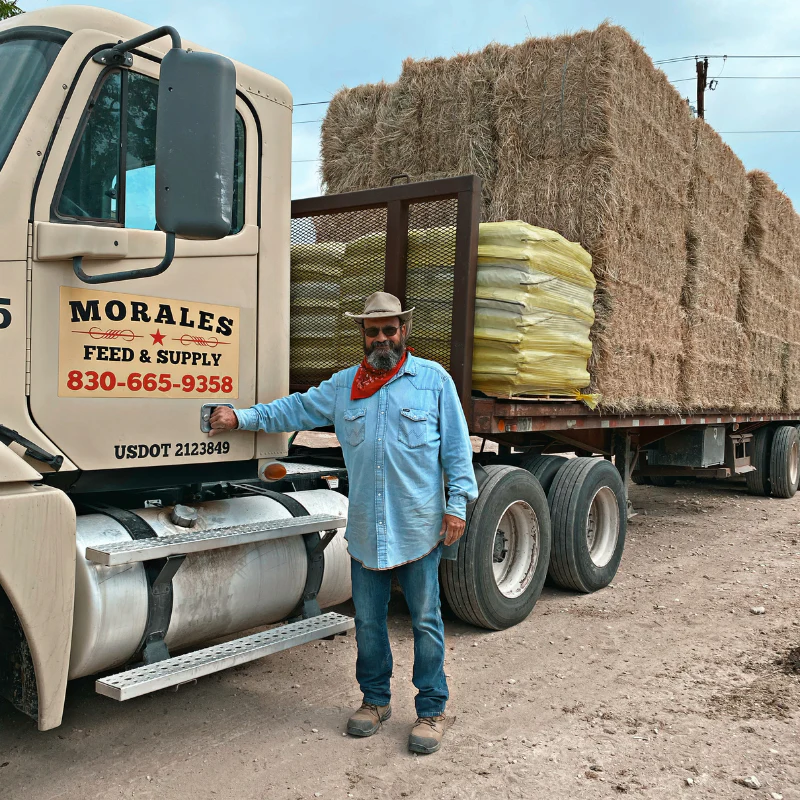
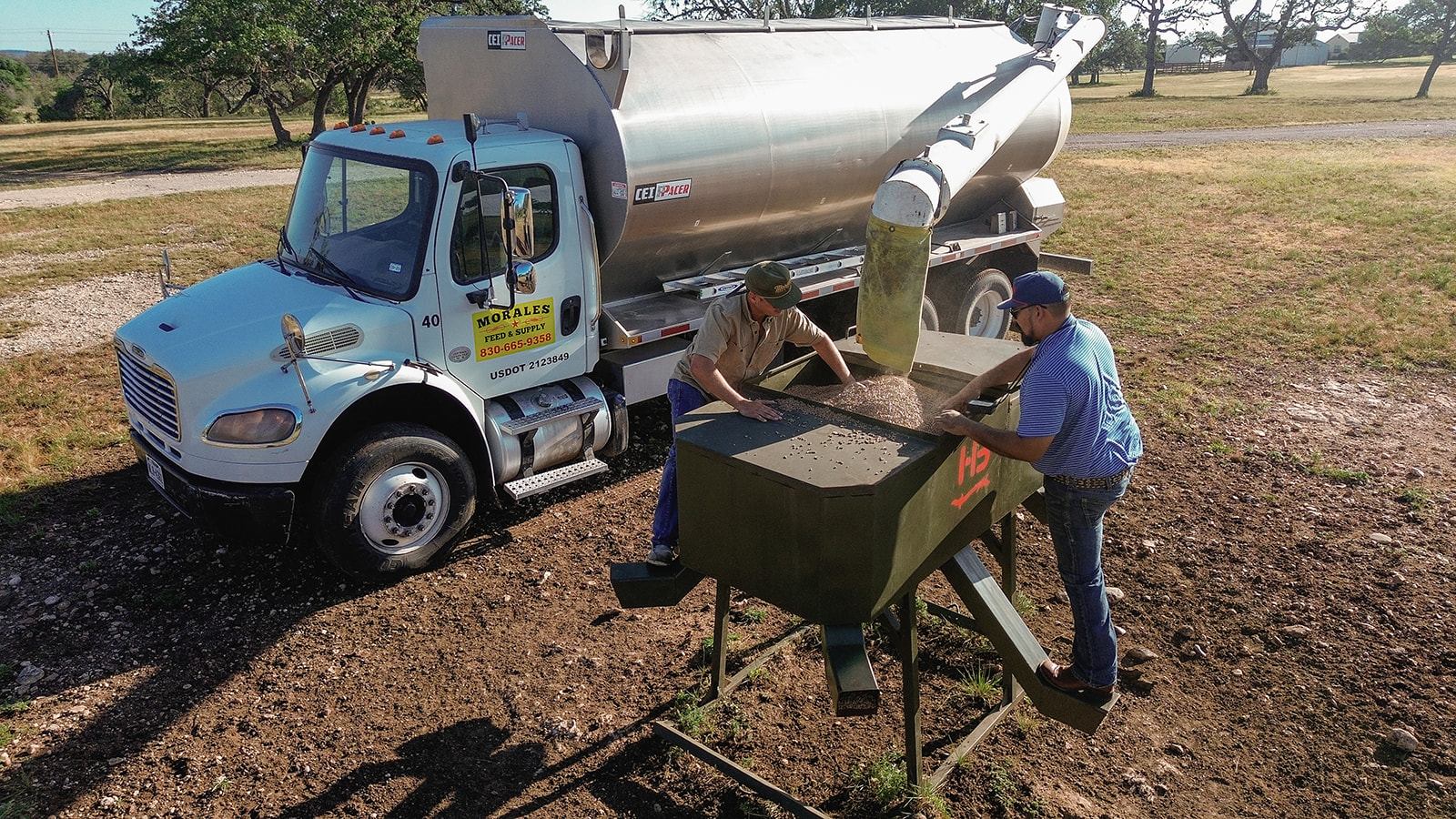
We specialize in delivery of Bulk Feed, Bagged Feed, and Forage (hay) for Livestock and Wildlife.
>>>Schedule Your Delivery Today<<<

The Importance of Feeding Protein to Deer and Wildlife in Texas

In Texas, providing proper nutrition to deer and other wildlife is crucial, especially during the hot summer months when natural forage is limited. One of the most effective ways to ensure a healthy deer population is by supplementing their diet with protein. This not only helps maintain body weight but also supports antler growth in bucks. In regions like Texas, supplemental feeding with protein feed blocks or pellets can make a significant difference in wildlife health, particularly during droughts or other stressful periods.

The Stuff You Need, Where You Need It

Let us bring the store to you! Morales Feed & Supply is proud to offer delivery service to our local area for our products. Our delivery team takes good care to ensure products are delivered according to your wishes.

The Role of Protein in Wildlife Nutrition

White-tailed deer are ruminants, much like cattle, but their dietary needs are different. They primarily consume forbs, browse, and some grass species, meaning their diet needs to be rich in protein to meet their energy and growth requirements. While native forages like forbs and browse supply some of this protein, they often fall short, especially during critical times such as late summer or droughts. Feeding deer supplemental protein through products like protein pellets or blocks ensures they receive the necessary nutrients when natural sources are scarce​.

The Benefits of Gravity Feeders

To optimize protein feeding, many landowners in Texas use gravity feeders, which allow deer to access protein feed at their own pace. Unlike mechanical feeders, gravity feeders ensure a consistent flow of feed without startling wildlife. Gravity feeders can be an especially useful tool during periods when native vegetation is insufficient to meet deer nutritional needs​. These feeders also help minimize competition among deer and other wildlife for limited food resources, promoting overall herd health​.

The Impact of Supplemental Feeding

Research shows that supplementing deer diets with protein improves not only body condition but also antler size in bucks. A study conducted in South Texas found that supplemental feeding can increase deer body mass and enhance antler growth, particularly in areas with frequent droughts​. However, it’s important to balance supplemental feeding with proper habitat management to avoid creating an overpopulation of deer that could negatively affect the environment.

Feeding protein to deer and wildlife in Texas is a highly effective way to promote a thriving ecosystem. By making protein feed a regular part of your wildlife management plan and using tools like gravity feeders, you’ll ensure that your deer herd remains healthy and productive year after year.

Supplemental Feeding: Best Practices for Supporting Local Wildlife

Supplemental feeding helps wildlife survive during tough seasons, especially winter when natural food sources are scarce. Proper feeding supports their health and helps maintain balanced ecosystems.

RELATED READING :: The Importance of Feeding Protein to Deer and Wildlife in Texas

Best Feeding Practices

  1. Winter Feeding
    • Why It’s Important: Natural food is often hard to find. Providing extra feed helps wildlife survive and stay healthy.
    • What to Use: High-energy foods like corn and nuts.
  2. Spring and Summer Feeding
    • Why It’s Important: Wildlife are more active and may need additional nutrition for growth and reproduction.
    • What to Use: Protein-rich foods like seeds and fruits.
  3. Fall Feeding
    • Why It’s Important: Helps animals prepare for winter by building up fat reserves.
    • What to Use: High-calorie foods like grains and tubers.

We specialize in delivery of Bulk Feed, Bagged Feed, and Forage (hay) for Livestock and Wildlife.

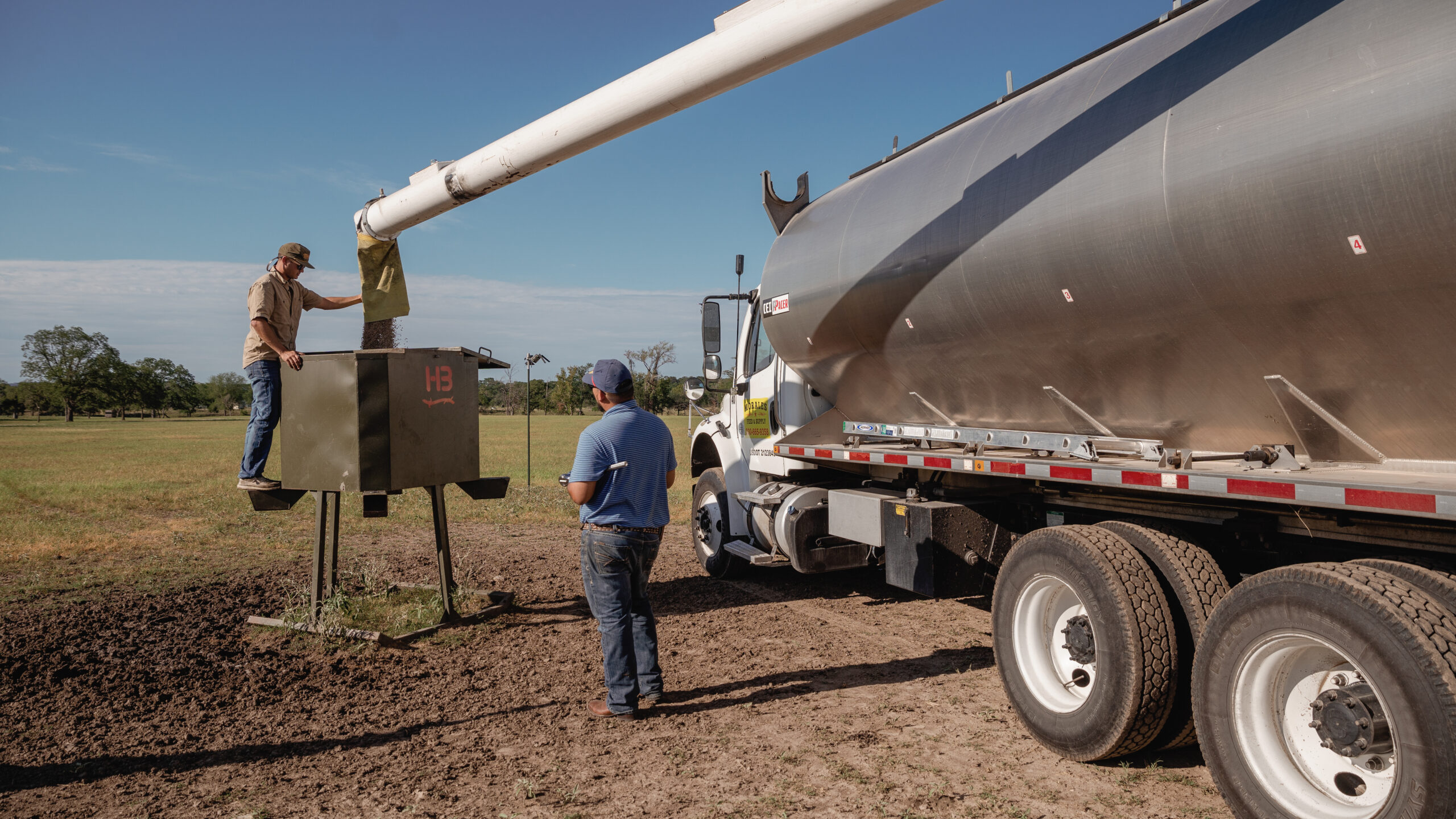
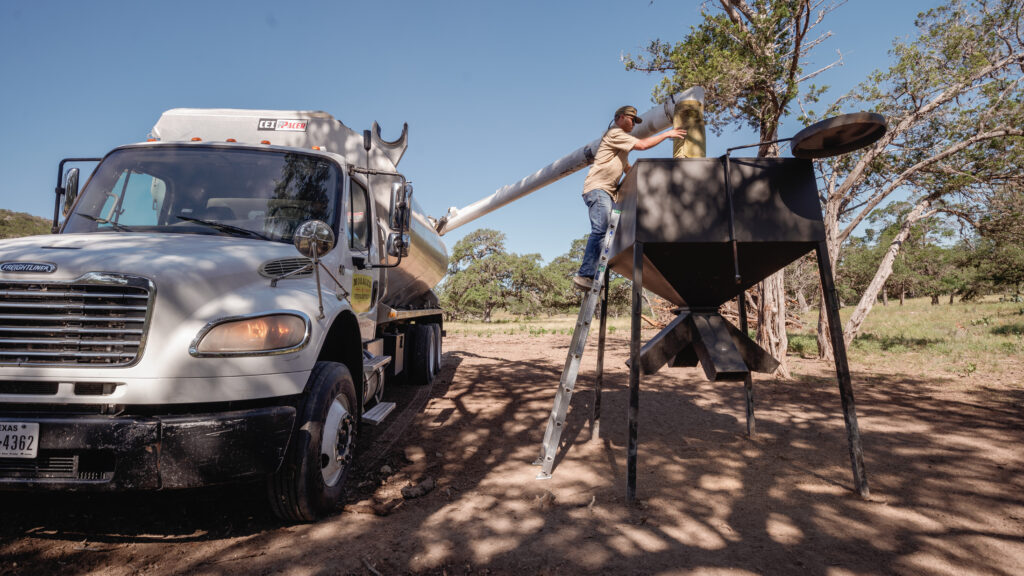
Bulk Feed: We can fill feeders as well as bulk bins with feed and grain.

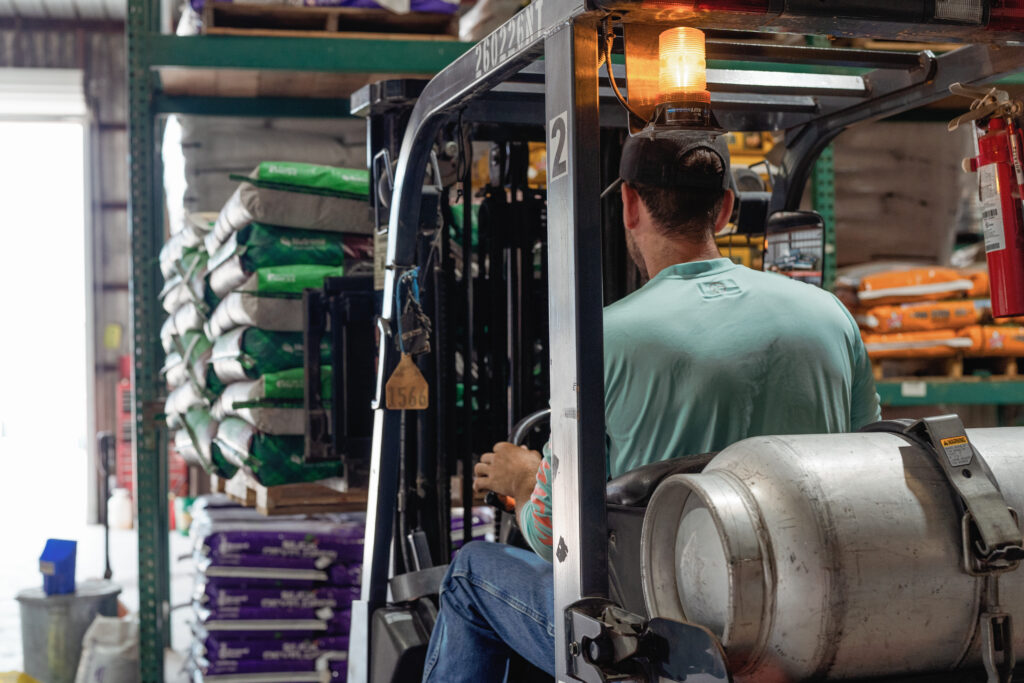
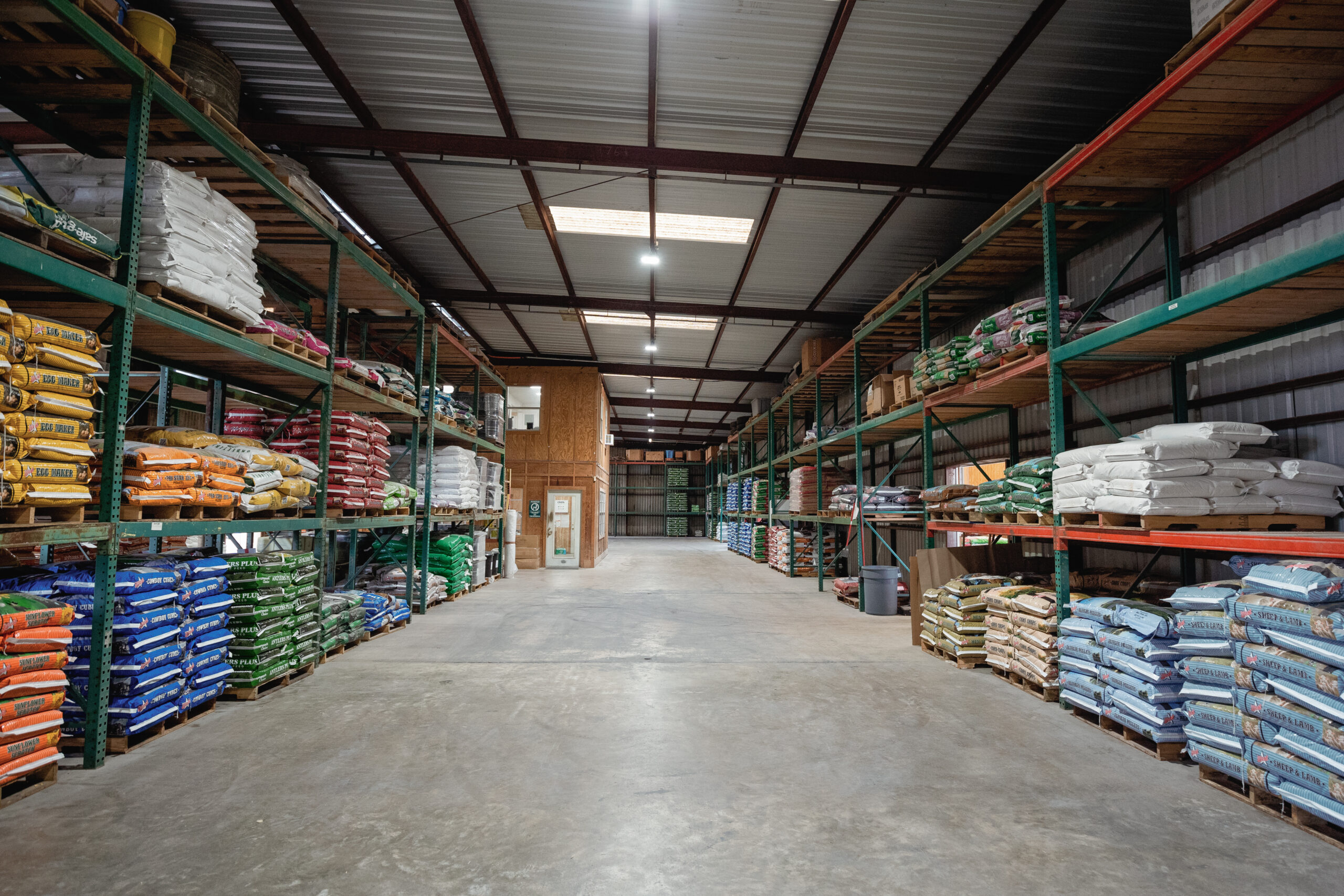
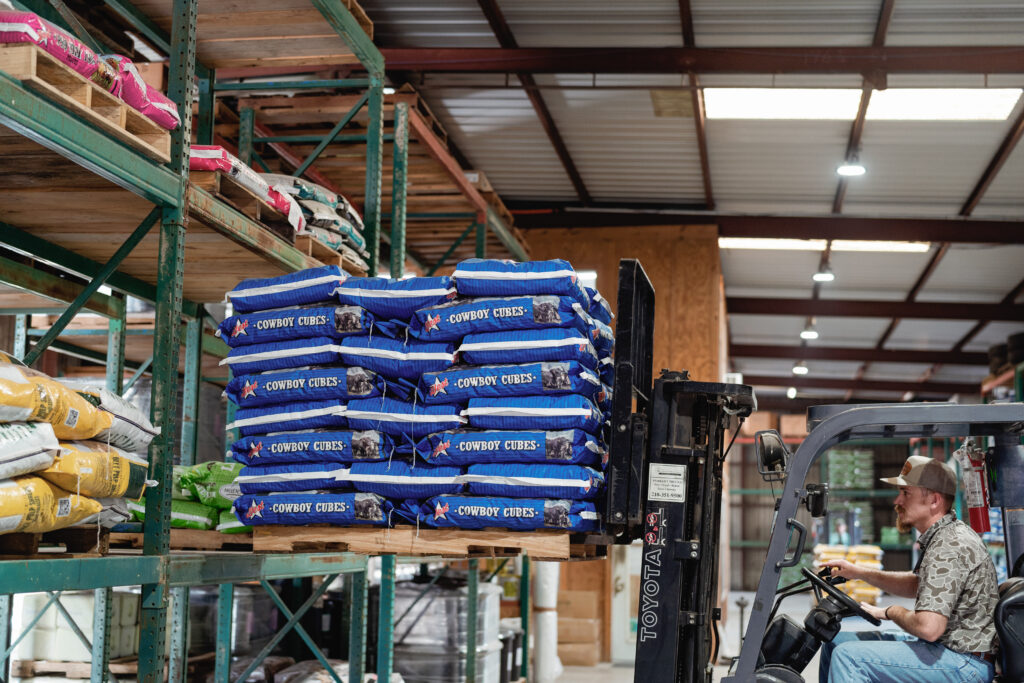
Bagged Feed: We have the ability to deliver 1 – 18 pallets with our flatbed and forklift. Our flatbed makes it possible to put multiple orders for different customers on the same delivery truck enabling us to take care of wide range of customers.

Hay: Our focus is mainly on coastal and Alfalfa, but in the summers we have sorghum/sudan, and in the fall we typically have peanut hay as well.

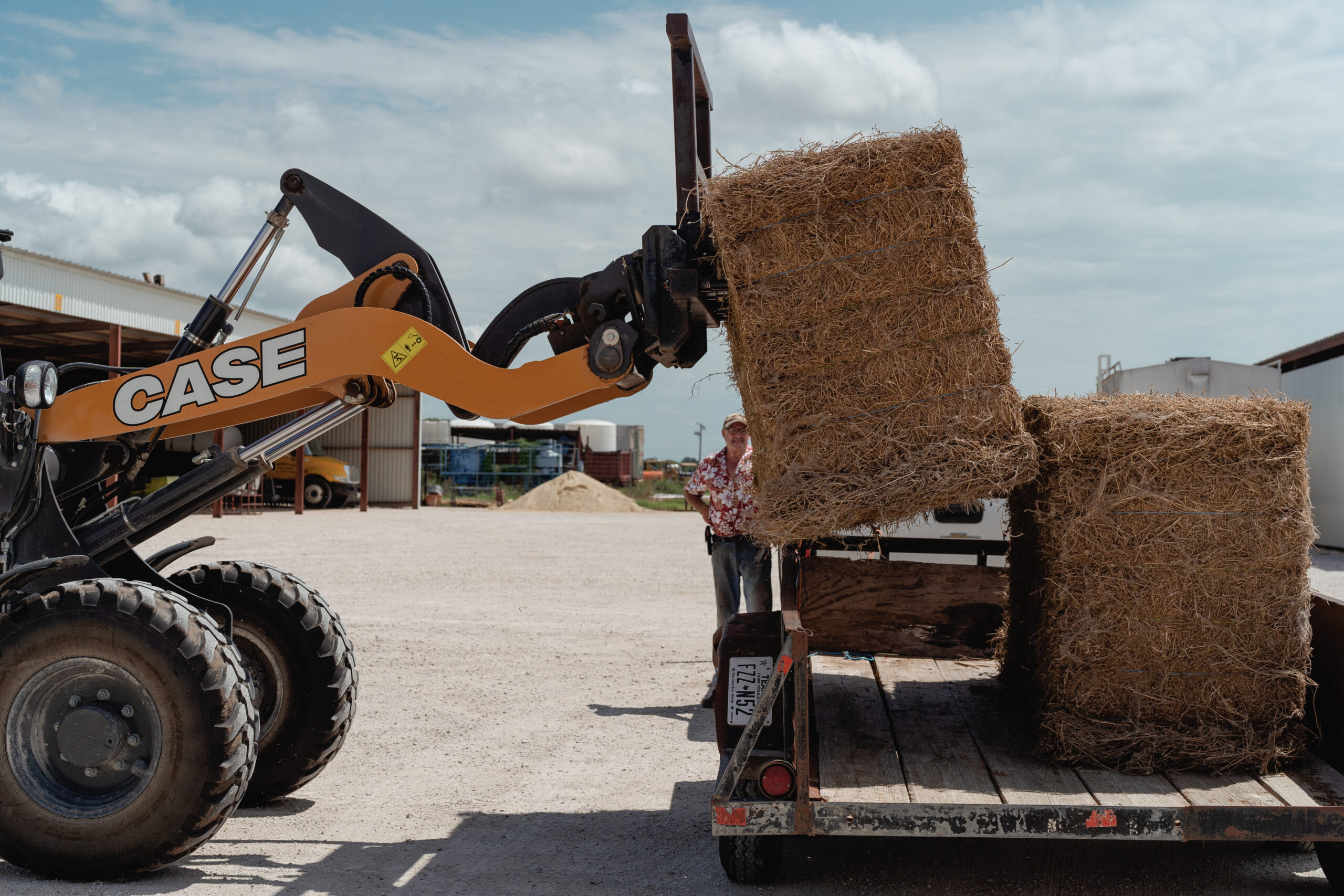
Morales Feed can unload and stack the hay in your barn, hay lot or wherever you desire!

Safe and Effective Supplemental Feeding Methods

  1. Feeding Stations
    • Setup: Use feeders that keep food clean and accessible. Place them in areas where wildlife are comfortable.
    • Cleaning: Regularly clean feeders to prevent disease spread.
  2. Feeding Amounts
    • How Much: Provide enough food without overfeeding. Too much food can attract unwanted pests and disrupt natural feeding habits.
  3. Avoid Human Foods
    • Why: Human foods can be harmful to wildlife and lead to health problems.

Challenges to Watch Out For

  1. Disease Risk
    • What to Watch: Overcrowded feeding areas can spread diseases. Monitor and clean feeding sites regularly.
  2. Pest Problems
    • What to Watch: Improperly managed feed can attract pests. Use feeders that minimize spillage and clean up regularly.
  3. Impact on Natural Behavior
    • What to Watch: Supplemental feeding should not replace natural foraging. Aim to support, not fully depend on, feeding.

Benefits of Proper Wildlife Feeding

  1. Health
    • Supports Survival: Helps animals get through tough seasons and stay healthy.
  2. Ecosystem Balance
    • Promotes Stability: Healthy wildlife contribute to a balanced ecosystem.
  3. Wildlife Observation
    • Increases Opportunities: Proper feeding can enhance wildlife watching experiences.

Supporting local wildlife through proper seasonal supplemental feeding practices is important for their health and the environment. Following these best practices ensures you’re helping wildlife effectively and responsibly. For more tips on wildlife feeding, visit our wildlife feeding resources.

Choosing the Right Feed for Your Livestock

Choosing the right feed for your livestock is crucial for your livestock’s health and productivity. Different animals need different nutrients, and the right feed can make a big difference in their well-being and performance.

Types of Feed For Your Livestock

  1. Grain-Based Feed
    • Benefits: Provides energy and is easy for animals to digest. Good for finishing cattle and high-performance horses.
    • Examples: Corn, oats, and barley.
  2. Forage
    • Benefits: Supplies essential fiber for digestion and can be more natural for animals. Ideal for grazing animals like cattle and sheep.
    • Examples: Hay, silage, and pasture grass.
  3. Complete Feeds
    • Benefits: Contains all the nutrients your livestock needs in one product. Convenient and ensures balanced nutrition.
    • Examples: Pelleted feeds and mixed feeds.

Key Nutrients

  1. Protein
    • Importance: Helps with growth and repair of tissues. Essential for young and lactating animals.
    • Sources: Soybean meal, alfalfa, and canola meal.
  2. Vitamins and Minerals
    • Importance: Supports overall health, immunity, and reproduction.
    • Sources: Commercial vitamin and mineral supplements, or specially formulated feeds.
  3. Fiber
    • Importance: Aids digestion and prevents digestive problems.
    • Sources: Hay, straw, and silage.

Tips for Selecting Quality Feed

  1. Check Labels
    • What to Look For: Ensure the feed meets the nutritional needs of feed for your livestock. Look for clear ingredient lists and guaranteed analysis.
  2. Buy from Reputable Sources
    • Why It Matters: Trusted brands and suppliers ensure high-quality and safe feed.
  3. Store Feed Properly
    • How to Store: Keep feed in a dry, cool place to prevent mold and spoilage.

Benefits of Proper Feed Selection

  1. Health
    • Better Nutrition: Leads to healthier animals with fewer health issues.
  2. Productivity
    • Improved Performance: Ensures animals grow well and produce efficiently.
  3. Cost Efficiency
    • Reduced Waste: Proper feed management minimizes waste and saves money.

Choosing the right feed for your livestock is essential for their health and productivity. Understanding different types of feed, key nutrients, and how to select quality products can make a big difference. For more advice on livestock feed, check out our livestock feed resources.

Guide to Hay and Bedding for Your Livestock

Why It Matters

Hay and bedding are crucial for your livestock’s health and comfort. Good hay provides necessary nutrients, and quality bedding keeps their living area clean and cozy. Understanding these basics can improve your animals’ well-being and performance.

Choosing the Right Hay

  1. Types of Hay
  • Alfalfa Hay: Great for young animals and lactating females because it’s high in protein and calcium. Also good for horses with high energy needs.
  • Timothy Hay: A balanced choice for adult animals. Provides fiber and nutrients. Commonly used for horses and small pets like rabbits.
  • Prairie Hay: Good for cattle and sheep. It’s high in fiber but has less protein compared to alfalfa. Often a more affordable option.
  1. Quality Indicators
  • Freshness: Look for green, fresh-smelling hay. Avoid brown or musty hay.
  • Texture: Good hay should be soft and flexible, without mold or dust.
  • Storage: Store hay in a dry place with good airflow to keep it fresh and prevent mold.

Understanding Bedding Options

  1. Types of Bedding
  • Straw: Absorbent and provides good insulation. Best for colder weather. Common for cattle and horses.
  • Shavings: Absorbent and easy to clean. Ideal for horses and small animals.
  • Sawdust: Great for absorbing moisture and controlling odors. Often used with other bedding.
  1. Choosing Bedding
  • Absorbency: Choose bedding that absorbs moisture well to keep the area dry and comfortable.
  • Comfort: Bedding should be soft to prevent injuries. Deep bedding can also help with joint health in horses.
  • Ease of Cleaning: Pick bedding that’s easy to clean and replace to maintain a hygienic space.

Tips for Managing Hay and Bedding

  1. Storage Tips
  • Hay Storage: Keep hay off the ground and covered to protect it from rain and moisture. Use tarps or barns.
  • Bedding Storage: Store bedding in a dry, clean place. Keep it off the ground to avoid moisture.
  1. Feeding Hay
  • Feeding Equipment: Use feeders to reduce waste and keep hay clean. Helps manage how much each animal eats.
  • Monitor Intake: Adjust the amount of hay based on the size and needs of your animals to avoid waste and ensure they get enough.
  1. Bedding Maintenance
  • Regular Cleaning: Frequently remove dirty bedding and replace it with fresh. This keeps the area clean and reduces bacteria.
  • Inspection: Check for mold or dampness in the bedding and fix any issues right away.

Benefits of Proper Hay and Bedding

  1. Health and Comfort
  • Good Hay: Supports digestion and prevents problems like colic in horses. Helps young animals grow.
  • Quality Bedding: Reduces the risk of injuries and provides comfort, which is important for their well-being.
  1. Economic Efficiency
  • Reduced Waste: Proper use of hay and bedding cuts down on waste and saves money, giving you more value.
  1. Hygiene and Cleanliness
  • Clean Living Spaces: Good bedding keeps the area clean and lowers the risk of diseases.

Selecting the right hay and bedding is vital for your livestock’s health and comfort. Knowing how to choose and manage these can greatly improve your animals’ quality of life. For more tips on livestock care, visit our livestock care resources.