
Top 10 Facts About Protein Feed for Axis deer farm

Protein Feed for Exotics South Texas

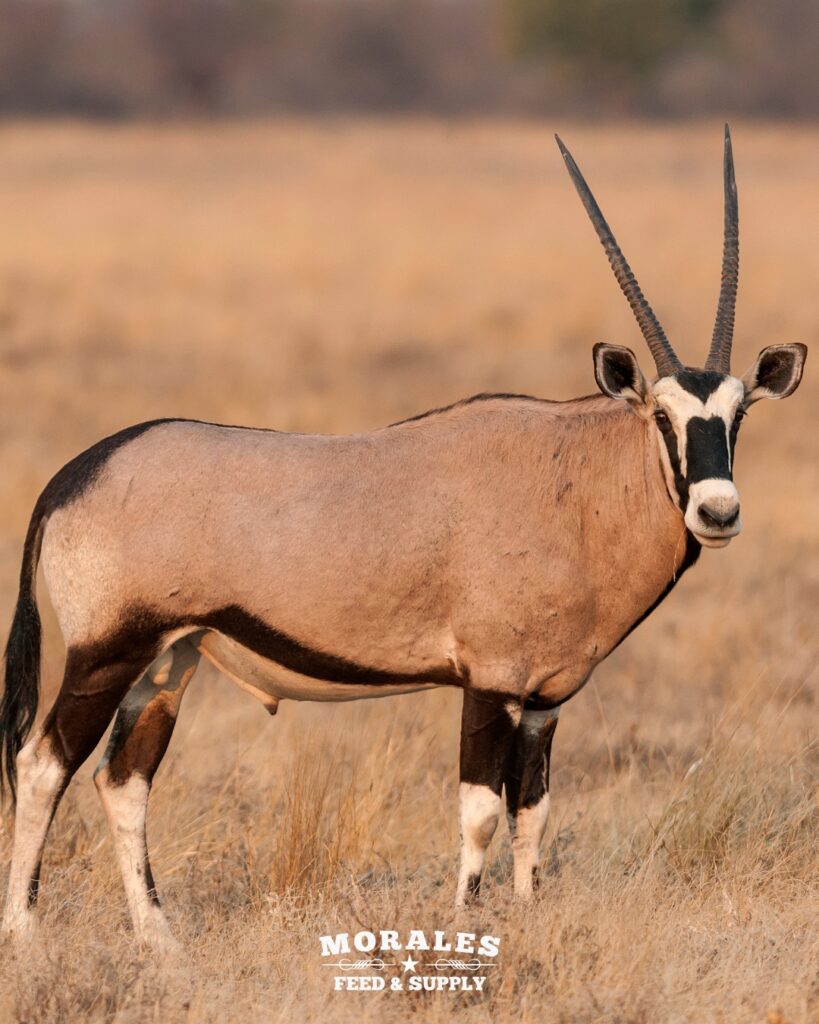
South Texas is a hotspot for exotic wildlife. From majestic axis deer and nimble blackbuck to the powerful nilgai and the rare scimitar-horned oryx, these species are central to both conservation and ranching income in the Texas Hill Country. Yet, if these animals are to flourish in this region’s harsh climate and limited forage, they need something more: consistent, targeted nutrition. Learn the essentials of protein feed for exotics in South Texas to support growth, reproduction, and antler development.

What Makes Exotic Wildlife So Unique in South Texas?

Exotic species raised on South Texas ranches often include:

  • Axis deer

  • Fallow deer

  • Red stag

  • Nilgai antelope

  • Blackbuck

  • Scimitar-horned oryx

These animals come from different continents, climates, and ecosystems. Naturally, their nutritional demands are much different than local whitetail deer. Managing them well means adjusting for their native diets while factoring in the seasonal stressors of the South Texas rangeland.

Understanding Their Nutritional Needs

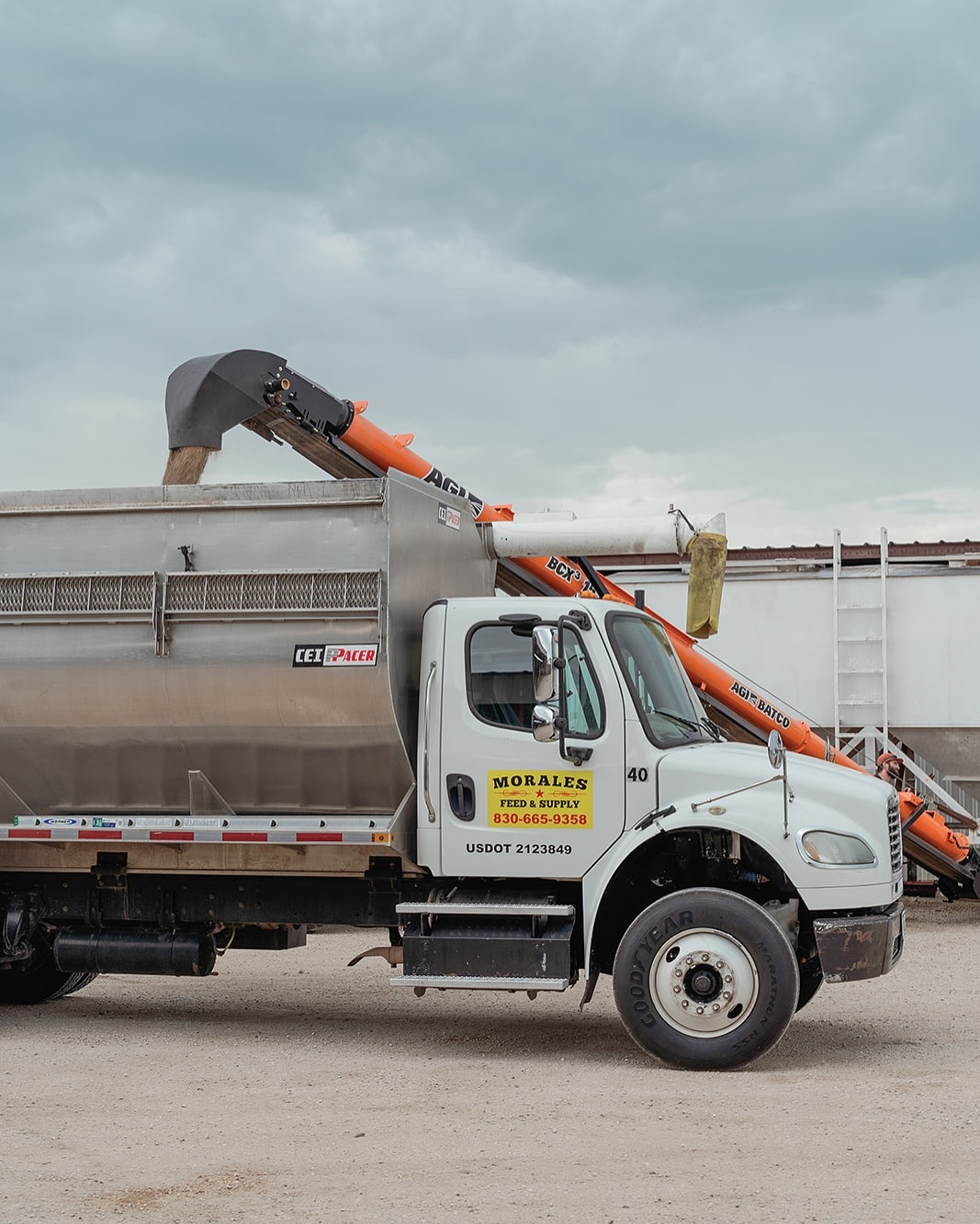
Morales protein feed for exotics in South Texas

Exotics require higher-quality forage and feed due to:

  • Poor native forage during droughts

  • Soil nutrient limitations

  • Temperature extremes

They especially rely on balanced protein, energy, and minerals during:

  • Breeding seasons

  • Velvet growth

  • Gestation and lactation

  • Late winter and early spring forage gaps

Why Protein Is the MVP Nutrient

Protein is essential for:

  • Antler development

  • Muscle mass

  • Fertility and fetal growth

  • Recovery after stress or injury

Studies from Texas Parks & Wildlife reveal that exotic animals thrive on diets with 12–20% protein, adjusted by age, sex, and time of year.

Reliable Protein Sources for Exotic Wildlife

Here are the most effective feeding options:

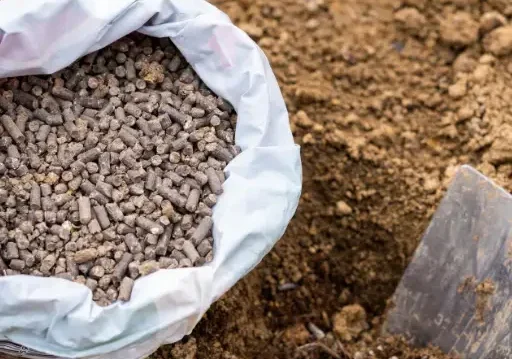
  • Protein Pellets (12–20%): Fast digestion, great for managed herds

  • Wildlife Protein Blocks: Ideal for passive feeding over time

  • Custom Supplements: Include added vitamins, minerals, and binders

  • Natural Forage: Useful in wet months, but often unreliable

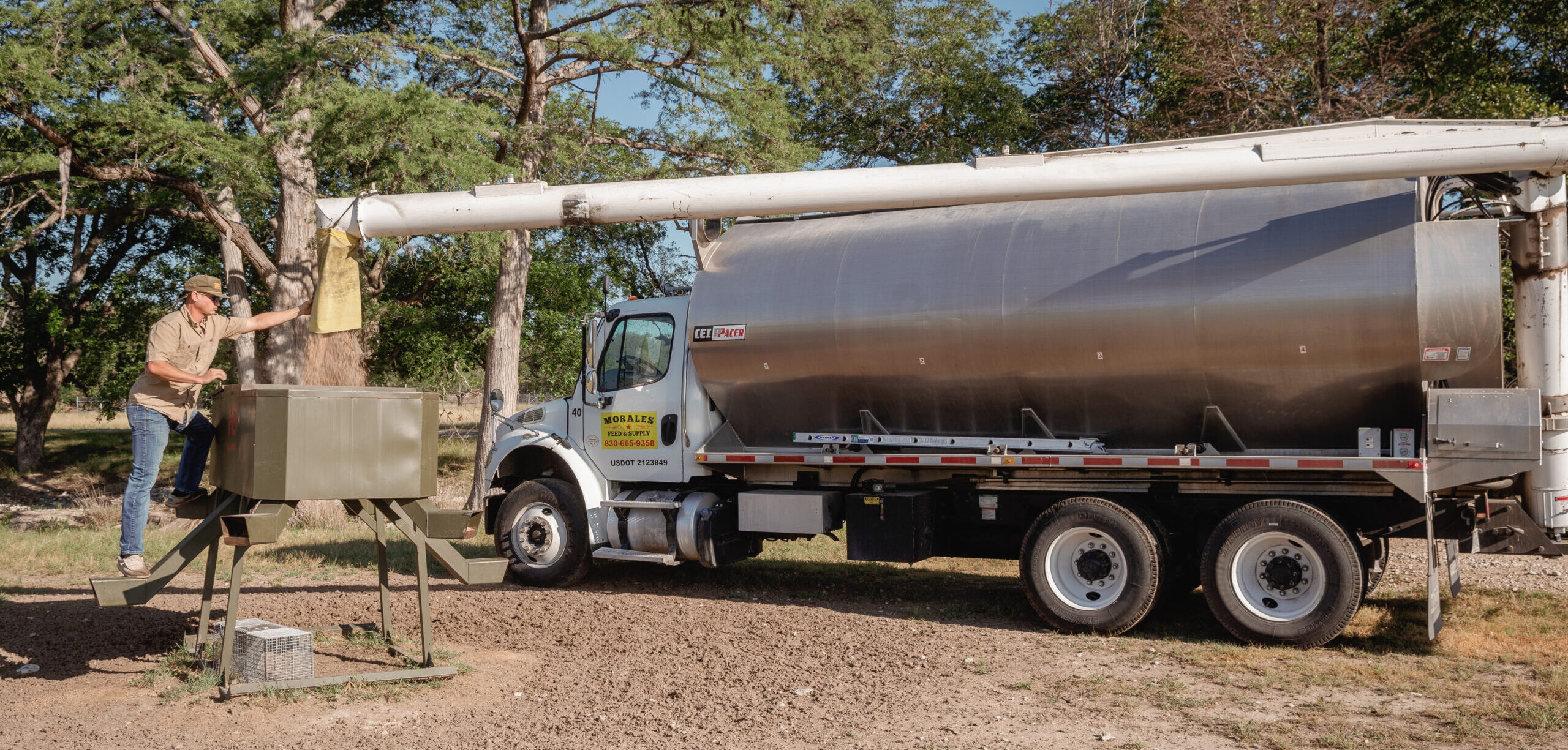
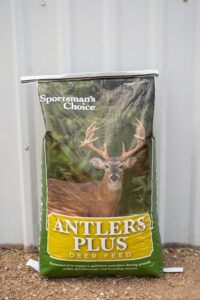
Morales Feed & Supply recommends the Muy Grande Deer & Exotic Wildlife Block, which blends a palatable 16% protein with crucial micronutrients.

When Is the Best Time to Feed?

Timing is everything. Prioritize feeding:

  • During breeding (fall and winter)

  • During velvet and antler growth (spring to summer)

  • After drought or hard freezes

Spaced feeding stations with gravity or timed feeders make it easy to distribute nutrition consistently.

The Muy Grande Wildlife Block: Built for South Texas

Morales’s Muy Grande Block includes:

  • 16% protein

  • Added calcium & phosphorus

  • Vitamins A, D, and E

  • Weather-resistant molasses base

Perfect for ranches with limited access points, this block supports exotics even when other resources run low.

Protein Levels Backed by Science

Research supports:

  • Axis deer: 14–18% protein during rut

  • Blackbuck & oryx: 12–16% protein during gestation and lactation

  • More protein = higher fertility, muscle mass, and antler size

Trusted sources: Texas A&M AgriLife, Ful-O-Pep Feeds, Allied Feeds

Don’t Forget These Vital Nutrients

Protein isn’t the only player. You also need:

  • Calcium & Phosphorus: For bone density and antler structure

  • Salt & Trace Minerals: Like selenium, zinc, and copper for immune strength

  • Fat: A dense energy source for winter survival and breeding performance

Avoid These Common Mistakes

Even well-meaning ranchers get it wrong sometimes. Avoid:

  • Only feeding during hunting season

  • Ignoring mineral ratios

  • Overfeeding leading to waste or obesity

  • Skipping feeder maintenance

Smart Feeder Placement Strategies

Boost feeder performance by:

  • Placing near water sources

  • Keeping in shaded or covered areas

  • Ensuring minimal competition with livestock

  • Cleaning regularly to prevent disease and mold

Pellets vs. Blocks: What’s Better?

CriteriaPelletsBlocks
Best UseFrequent, close monitoringRemote or passive feeding
Rain-safeNo – need covered feedersYes – weather-resistant
EfficiencyQuick consumptionSlow, sustained release

Protein and Reproduction in Exotics

Higher protein intake supports:

  • Earlier conception

  • Fetal viability

  • Healthier birth weights

  • Increased milk production

Protein and Antler Growth

For antlered exotics, such as fallow and axis bucks, protein feed:

  • Lengthens main beams

  • Increases mass

  • Improves tine count and symmetry

The Role of Local Habitat

South Texas often lacks ideal grazing. Drought and sandy soils reduce forage quality. Protein blocks fill the gap, keeping animals healthy even in harsh conditions.

Consistency Is Key

Routine feeding:

  • Builds animal trust

  • Improves herd visibility

  • Reduces stress during environmental swings

  • Enhances trophy quality over time

Signs You’re Doing It Right

Positive indicators:

  • Glossy coats

  • Strong appetites

  • High fawning rates

  • Symmetrical antlers

Watch out for:

  • Weight loss

  • Patchy coats

  • Poor breeding performance

Water Access Is Essential

Did you know protein digestion increases water needs? Always offer clean, nearby water at every feeding location.

Why Morales Feed & Supply Is South Texas’s Go-To

At Morales, we offer:

  • Premium Muy Grande protein blocks

  • Custom pelleted rations

  • Feeder systems tailored to your land

  • Hands-on consultation from people who live this lifestyle

We don’t just sell feed—we raise exotics too.

Trusted Feed Partners We Recommend

  • Allied Feeds – High-quality South Texas blends

  • Ful-O-Pep Feeds – Research-backed nutrition

  • Livengood Feeds – Innovation meets consistency

You’ll find all of these at Morales.

Hear It From Real South Texas Ranchers

“Our fallow deer herd doubled its birth rate after we switched to Morales’s exotic blend.”
Lisa R., San Antonio Hill Country

“We saw visible improvement in antler mass in just one season with the 16% Muy Grande Block.”
Cody B., Freer, TX

Final Word: Don’t Leave Nutrition to Chance

If you’re raising exotics, your success depends on strategic, year-round nutrition. Morales Feed & Supply is your partner for protein feed for exotics South Texas—whether you’re boosting trophy antlers, improving herd health, or raising the next generation of breeders.

Top 5 Powerful Benefits of Choosing a Local Farm and Feed Store in South Texas

In the heart of South Texas, farming isn’t just a job—it’s a legacy. From the dusty cattle trails to the fertile soil of the Hill Country, your success depends on access to the right tools, trusted advice, and timely supplies. Discover top benefits of a local farm and feed store South Texas and how it helps farmers in the Texas Hill Country thrive.

Unlike big-box retailers, local stores like Morales Feed & Supply understand more than just products—they understand your land, your animals, and your challenges.

Rooted in the Land and the Community


In South Texas, feed stores aren’t just businesses—they’re lifelines. Morales Feed & Supply has been serving Central Texas for generations, offering not only essential supplies but also regional knowledge built through decades of experience.

Because they’re part of the community, they know what drought means for your forage. They’ve seen what a surprise frost can do to your crops. And most importantly, they’re prepared for it.

Service That Feels Like a Neighborly Chat

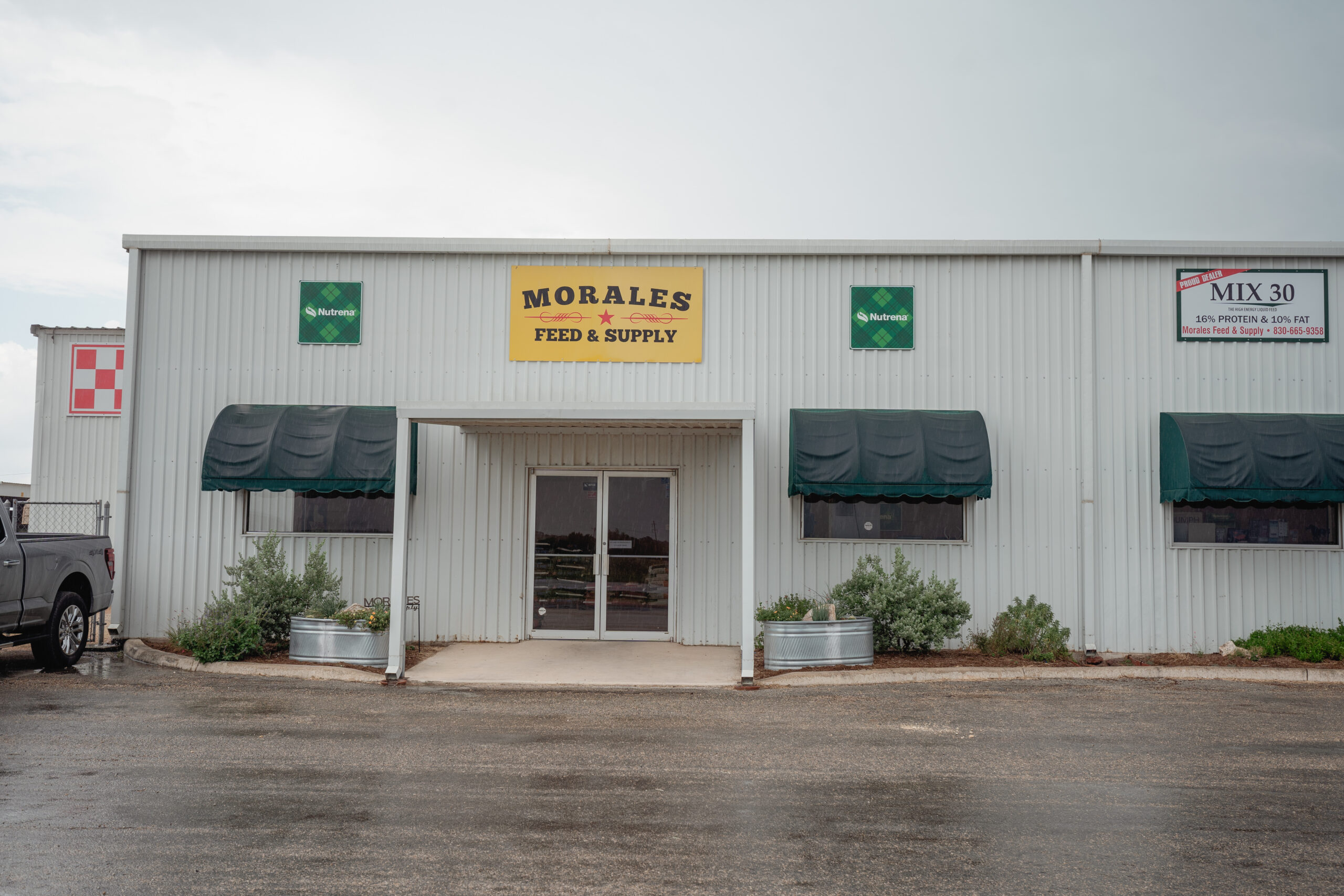
Morales Farm And Feed supply

Local stores offer something big chains can’t match: genuine, personalized service. At Morales Feed & Supply, you’re not just a transaction. You’re a rancher with a story, a goal, and real-time needs.

Whether you need a protein block mix optimized for drought-stressed pastures, or advice on treating a mineral deficiency in your herd, the folks at Morales are ready with answers. And if you’re unsure what you need? They’ll walk the field with you.

Products That Actually Work—Because They’re Meant To

Let’s be honest—what works in Wisconsin doesn’t always work in South Texas. Our climate swings from scorching heat to sudden rains. That’s why Morales Feed & Supply carefully selects products tailored to this region.

You’ll find:

  • Drought-tolerant seeds

  • Mineral blocks designed for native forage

  • High-energy feed for heat-stressed cattle

Every item on their shelves is chosen with South Texas weather, soil, and livestock in mind.

Supporting the South Texas Economy, One Bag at a Time

Buying local isn’t just good for your ranch—it’s good for your hometown. Every purchase at Morales supports:

  • Local agricultural jobs

  • Partnerships with 4-H and FFA

  • Youth rodeos and community education

The money stays in South Texas, building strength right where you live.

Reliable Inventory, When You Need It Most

Big-box retailers often struggle with backorders or push national brands that just don’t work for your land. At Morales, inventory is local, ready, and relevant.

And if something is out of stock? They’ll work fast to source it—often same-day. Because when your animals need feed or your crops need treatment, you can’t afford to wait.

Real-Time Advice Based on Real South Texas Conditions

Seasons change fast. And when they do, Morales is already ahead of the curve. Their team adjusts recommendations based on:

  • Rainfall patterns

  • Grazing cycles

  • Local animal health trends

So, if a cold snap rolls in early or you need to transition to winter feeding, Morales is ready with proactive advice.

Relationships That Go Beyond Sales

Morales Feed & Supply isn’t just a store—it’s a partner. One that sticks by you through thick and thin.

Need urgent delivery before a storm? Bulk pricing for your operation? Hands-on help selecting forage seed? They’re a phone call away—because they care as much about your success as you do.

Why Morales Feed & Supply Stands Out Feed Store in South Texas

Serving areas from Beeville to the Hill Country, Morales Feed & Supply combines science-backed agriculture with old-school service. Their deep knowledge of regional needs, paired with a true commitment to local success, makes them the go-to feed supplier in South Texas.

When Big Chains Fall Short, Local Wisdom Prevails

Chains may have shiny signs and national ads, but they don’t know your pasture like Morales does. They don’t walk your fence lines. They don’t know that this year, the rain came late—or that your herd needs extra minerals because of it.

Choosing a farm and feed store in South Texas is more than just convenience. It’s a decision rooted in community, quality, and trust.

The Importance of Hay and Bulk Bin Refills for Livestock Nutrition

Proper livestock nutrition starts with quality feed. Hay and bulk bin refills are essential for ensuring your animals receive the necessary nutrients year-round. Whether you raise cattle, horses, goats, or sheep, providing a steady supply of high-quality feed is crucial for their health and productivity.

At Morales Feed and Supply, we offer premium hay and bulk bin refill services to support livestock owners, ranchers, and farmers in maintaining a reliable and cost-effective feeding program.

The Role of Hay in Livestock Nutrition

Hay provides essential fiber and nutrients, supporting digestion and maintaining weight. The quality of hay depends on:

  • The harvest time, affecting nutrient content
  • The grass or legume variety, such as alfalfa, bermudagrass, or timothy hay
  • Proper storage conditions to prevent mold and spoilage

Benefits of Bulk Bin Refills

  • Ensures a consistent feed supply to prevent shortages
  • Reduces cost per pound compared to bagged feed
  • Minimizes waste and contamination
  • Provides customized nutrition blends for different livestock needs

Feeding livestock requires proper planning and high-quality nutrition sources. By maintaining a steady supply of hay and bulk bin refills, you ensure optimal animal health and farm efficiency. Visit Morales Feed and Supply for premium hay and feed solutions tailored to your livestock’s needs.

Soil Health & Its Role in Pasture Management

Healthy pastures begin with healthy soil. Whether you manage a small homestead or a large ranch, soil health directly affects forage quality, livestock nutrition, and overall land sustainability. Without proper soil care, pastures become compacted, nutrient-deficient, and prone to erosion, reducing forage yields.

At Morales Feed and Supply, we help livestock owners optimize their pastures through proper soil management. This guide explores the essential role soil health plays in pasture productivity and how to improve it.

Why Soil Health Matters in Pasture Management

Soil is the foundation of any grazing system. Its health determines forage growth, water retention, and resistance to pests and diseases. Poor soil conditions lead to:

  • Reduced forage production
  • Nutrient imbalances affecting livestock nutrition
  • Soil erosion and water runoff issues
  • Increased weed growth

Key Indicators of Healthy Pasture Soil

  • Proper pH Levels – Most pasture grasses thrive in soil with a pH between 6.0 and 7.0.
  • Good Soil Structure – Loamy soil with good aeration promotes deep root growth.
  • High Organic Matter – Supports microbial activity and improves nutrient cycling.
  • Adequate Moisture Retention – Prevents drought stress in grasses.

Soil Management Practices for Healthy Pastures

  • Regular Soil Testing – Helps determine nutrient deficiencies and pH imbalances.
  • Applying Fertilizers and Soil Amendments – Compost, manure, and lime improve fertility.
  • Rotational Grazing – Prevents overgrazing and maintains soil cover.
  • Aeration and Tillage – Reduces soil compaction for better root development.
  • Erosion Control – Plant cover crops or install buffer strips to reduce runoff.

Soil health is essential for productive pastures and healthy livestock. By implementing the right soil management strategies, you can maximize forage production, improve soil fertility, and create a sustainable grazing system. For expert advice and high-quality soil amendments, visit Morales Feed and Supply.

The Ultimate Guide to Soil Amendments for Healthier Gardens

A thriving garden starts from the ground up—literally. The quality of your soil determines how well your plants grow, how much water they retain, and how many nutrients are available for roots to absorb. If your garden struggles with poor drainage, compacted soil, or nutrient deficiencies, soil amendments are the solution.

At Morales Feed and Supply, we understand how vital healthy soil is for gardening success. This guide will cover everything you need to know about soil amendments—what they are, how they work, and which ones are best suited for your garden.

What Are Soil Amendments?

Are organic or inorganic materials added to soil to improve its physical properties. They help adjust moisture retention, aeration, and nutrient availability, creating an ideal environment for plants to thrive.

Some common reasons to use soil amendments include:

  • Improving soil texture for better root growth
  • Enhancing water retention in sandy soils
  • Increasing drainage in clay-heavy soils
  • Boosting nutrient content for plant health

Types of Soil Amendments and Their Benefits

There are several types of soil amendments, each serving different purposes.

Organic

  • Compost – Improves soil structure, enhances microbial activity, and boosts organic matter.
  • Manure – Provides essential nutrients like nitrogen, phosphorus, and potassium.
  • Peat Moss – Retains moisture and improves soil aeration.
  • Coconut Coir – An eco-friendly alternative to peat moss that improves water retention.

Mineral-Based

  • Lime – Raises soil pH and reduces acidity for plants that prefer neutral to alkaline conditions.
  • Gypsum – Improves clay soil structure and provides calcium without altering pH.
  • Rock Phosphate – A slow-release phosphorus source for long-term soil fertility.

Soil Conditioners

  • Perlite – Enhances aeration and prevents soil compaction.
  • Vermiculite – Retains moisture while improving aeration.
  • Biochar – Boosts microbial activity and enhances nutrient retention.

Choosing the Right Soil Amendments for Your Garden

Different plants require different soil conditions. Consider these recommendations when selecting soil amendments:

  • Vegetable Gardens – Compost, manure, and vermiculite for balanced nutrition and aeration.
  • Flower Beds – Peat moss and perlite for improved water retention and aeration.
  • Clay Soil – Gypsum, compost, and sand to loosen soil and improve drainage.
  • Sandy Soil – Biochar, peat moss, and manure to increase water and nutrient retention.

How to Apply

  1. Test Your Soil – Conduct a soil test to determine pH and nutrient levels.
  2. Prepare the Soil – Loosen compacted soil and remove weeds or debris.
  3. Incorporate the Amendment – Mix amendments evenly into the soil using a rake or tiller.
  4. Water and Monitor – Keep the soil moist and monitor plant growth for any adjustments.

Morales Feed and Supply offers a variety of high-quality to help you achieve the garden of your dreams. Visit us today for expert advice and premium gardening products.

Top Farm Supplies for Winter in Texas: Stay Prepared and Thrive

Essential Supplies for Livestock Care

Winter in Texas can bring chilly nights and unpredictable weather, making proper livestock care essential. To keep your animals safe and warm, start with quality bedding. Straw and wood shavings create a barrier against the cold ground, while mats or rubber flooring can provide additional insulation in stall Ensure you have a consistent supply of feed rich in energy and nutrients. This helps animals generate body heat and maintain their health during colder months. Supplements like minerals and high-protein feeds are especially valuable. Discover essential farm supplies for winter in Texas, from feed to equipment, to ensure smooth operations.

Insulating Coops and Shelters

Draft-free coops and shelters are a must for protecting livestock and poultry during winter. Use insulation materials like foam boards, reflective panels, or even straw bales to block drafts and retain warmth. Sealing cracks and gaps with weather-resistant caulking can also make a big difference.

Consider adding windbreaks around outdoor shelters to reduce exposure to harsh winds. Curtains or flaps over doors and windows can further help in controlling airflow while maintaining ventilation.

Preparing for Power Outages

Winter storms in Texas can lead to unexpected power outages, which can disrupt heating systems, lighting, and water supplies. Having a backup generator on hand is crucial for keeping your farm operational. Choose a generator with enough capacity to power essential systems like water heaters, incubators, and lighting.

Solar-powered lights and rechargeable batteries are also excellent additions for maintaining visibility during outages.

Dealing with Frozen Water Supplies

One of the biggest challenges in winter is preventing water sources from freezing. Frozen water can lead to dehydration, which is dangerous for livestock and poultry. Heated waterers and de-icing devices are invaluable for keeping water accessible.

For outdoor animals, consider insulated water troughs or heated hoses to maintain a steady supply of fresh water. Checking water sources regularly is still important, especially during sub-freezing temperatures.

Feeding and Nutrition in Cold Months

Cold weather increases animals’ metabolic rates, meaning they need more calories to stay warm. High-energy feeds, like alfalfa and grains, can help maintain their body heat. For poultry, black oil sunflower seeds and cracked corn are excellent supplements.

Provide free-choice minerals and salt blocks to ensure livestock gets essential nutrients. Treats like warm mashes or soaked grains can also be offered occasionally for variety and extra warmth.

Tips for Safe Storage

Winter humidity and cold can spoil feed and damage equipment if not stored properly. Use waterproof containers for feed and supplements to prevent moisture contamination. Keep equipment in a dry, covered area to avoid rust or freezing damage.

Organizing your supplies in a designated storage area not only saves time but also ensures that everything is accessible when needed.

Local Stores for Winter Supplies

When it comes to sourcing the best farm supplies for winter in Texas, Morales Feed and Supply in Devine, Texas, is the trusted choice for farmers. Their wide range of products includes high-quality feed, durable bedding, and reliable winter equipment. Whether you need heated waterers, backup generators, or expert advice, Morales Feed and Supply has you covered.

Visit their store or check out their website at Morales Feed and Supply to ensure your farm is fully prepared for winter. With their support, you can keep operations running smoothly and your animals thriving throughout the season!

The Benefits of K-Line Irrigation Systems for Efficient Water Management

Improve Crop Growth and Save Water with K-Line Irrigation

Water is a precious resource, and efficient irrigation is essential for farmers and landowners. Traditional irrigation systems can be costly, inefficient, and difficult to manage. K-Line irrigation systems provide a cost-effective, flexible, and water-efficient alternative that improves crop growth while reducing waste.

In this article, we’ll explore:

  • What is a K-Line irrigation system?
  • Key benefits for farmers and landowners
  • How to install and maintain K-Line irrigation
  • Best crops for K-Line irrigation

What is a K-Line Irrigation System?

K-Line Irrigation Systems

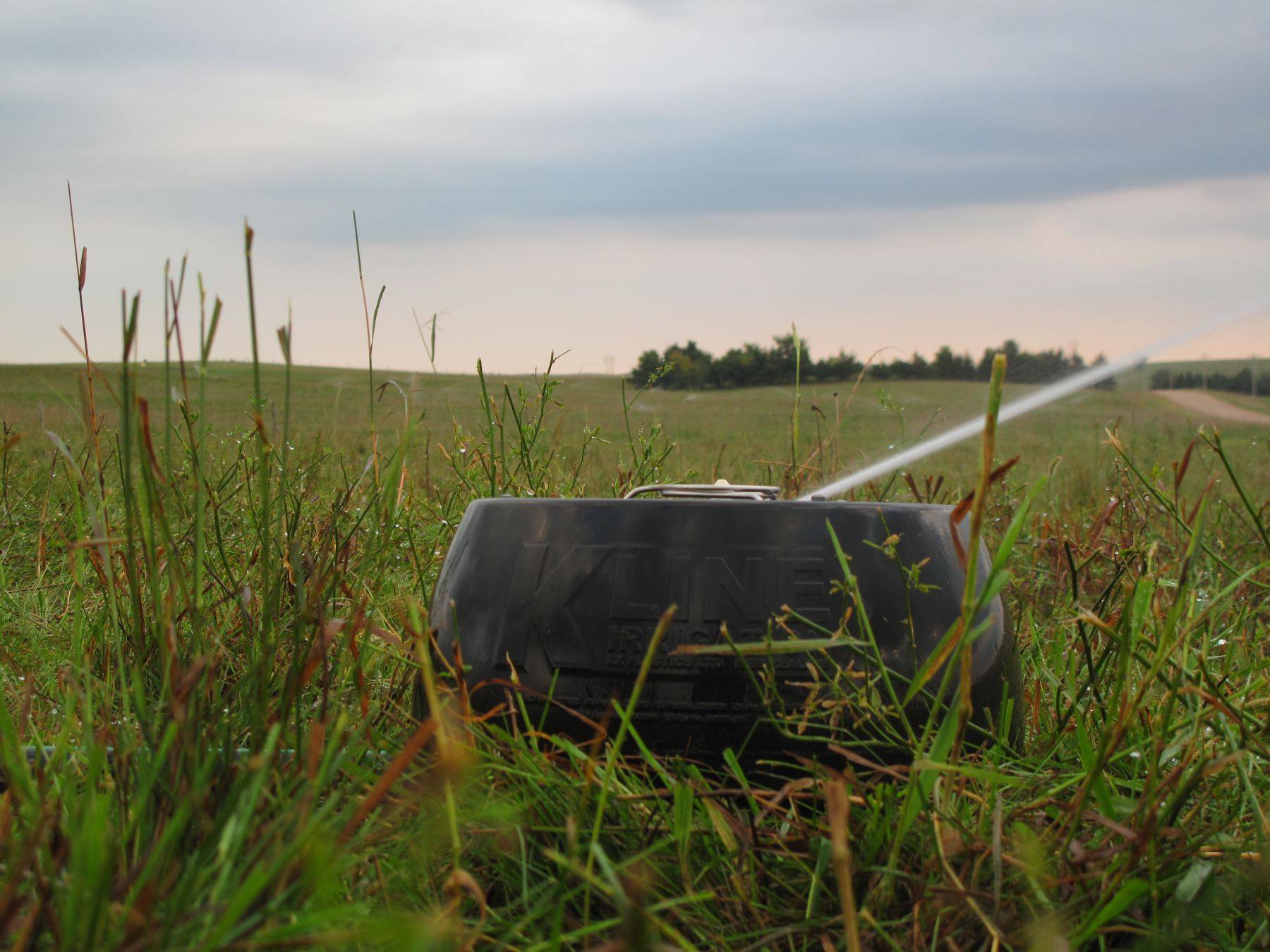
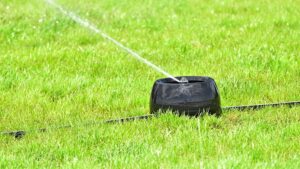
K-Line irrigation is a portable, low-pressure sprinkler system designed to deliver water efficiently to pastures, fields, and orchards. Unlike traditional overhead or drip irrigation, K-Line uses durable polyethylene tubing with sprinkler pods that can be moved easily to different locations.

How It Works

  1. Water is delivered through flexible tubing connected to a water source.
  2. The system distributes water evenly using sprinkler pods.
  3. Farmers can easily move the tubing to different areas as needed.

Benefits of K-Line Irrigation Systems

1. Water Conservation

K-Line irrigation uses low-pressure sprinklers, reducing water waste and ensuring better soil absorption. This method prevents runoff and evaporation, common issues with traditional irrigation.

2. Cost-Effective Solution

Compared to permanent irrigation systems, K-Line requires less initial investment and lower maintenance costs.

3. Flexibility and Easy Installation

The system is designed to be moved manually, making it perfect for rotational grazing and multi-crop farming.

4. Better Crop Health and Growth

By distributing water more evenly, K-Line irrigation promotes healthy root development, leading to higher yields and better-quality crops.

How to Install and Maintain a K-Line Irrigation System

Installation Steps

  1. Choose the right tubing size based on your land size.
  2. Connect the tubing to your water source (well, pump, or reservoir).
  3. Position the sprinkler pods evenly to cover the desired area.
  4. Test the system and adjust for maximum efficiency.

Maintenance Tips

  • Regularly check for leaks and blockages.
  • Clean the sprinkler heads to prevent clogging.
  • Move the system frequently for even coverage.

Best Crops for K-Line Irrigation

K-Line irrigation is suitable for:

  • Pastures – Ideal for grazing livestock.
  • Row crops – Corn, wheat, and soybeans.
  • Orchards & Vineyards – Apples, grapes, and citrus fruits.
  • Forage Crops – Alfalfa, cowpeas, and clover.

K-Line irrigation systems offer an efficient, affordable, and flexible solution for farmers looking to improve water management. By reducing water waste and promoting healthier crop growth, this system is a smart investment for sustainable farming.

👉 Interested in K-Line irrigation? Contact us today for expert advice and top-quality irrigation supplies!

Soil Health: The Key to Higher Yields and Sustainable Farming

 Improve Your Soil for Better Crops and Long-Term Farm Success

Healthy soil is the foundation of successful farming. Without proper soil health, crops struggle to absorb nutrients, leading to lower yields and weaker plants. By improving soil structure and fertility, farmers can enhance productivity and ensure long-term sustainability.

In this guide, we’ll cover:
What is soil health?

  • The role of organic matter, microbes, and nutrients
  • Best practices for improving soil fertility
  • How to protect your soil from erosion and depletion

What is Soil Health?

It refers to the soil’s ability to support plant growth, retain water, and cycle nutrients efficiently. Healthy soil contains:

  • Balanced nutrients (nitrogen, phosphorus, potassium)
  • Organic matter for microbial activity
  • Good structure for water retention

How to Improve Soil Health

1. Increase Organic Matter

Adding compost, manure, and cover crops improves soil structure and nutrient retention.

2. Rotate Crops Regularly

Crop rotation prevents nutrient depletion and disrupts pest cycles. For example:

Corn → Soybeans → Cover Crop improves nitrogen levels.

3. Reduce Tillage

Minimizing soil disturbance helps maintain microbial activity and prevents erosion.

4. Use Cover Crops

Plants like clover, cowpeas, and rye enrich the soil, reduce erosion, and enhance moisture retention.

Improving soil health is crucial for sustainable farming and higher yields. By enhancing organic matter, using crop rotation, and reducing tillage, farmers can build stronger, more productive soil for the future.

👉 Need soil amendments or fertilizers? Visit us today!

Cow Peas: A Nutrient-Rich Cover Crop for Soil Improvement

Why Farmers Love Cow Peas for Soil Health and Livestock Feed

Cow Peas A Nutrient-Rich Cover Crop for Soil Improvement

Cow peas are one of the most versatile crops for farmers looking to improve soil health, prevent erosion, and provide high-quality forage for livestock. These fast-growing legumes enrich the soil with nitrogen, making them an excellent choice for sustainable farming practices.

In this article, we will cover:

  • What cow peas are and their benefits for soil
  • Best practices for planting and maintaining cow peas
  • Using as livestock feed
  • Companion planting strategies

What Are?

Cow peas (Vigna unguiculata) are warm-season legumes widely used in cover cropping systems. They grow quickly, thrive in hot climates, and improve soil fertility through nitrogen fixation.

Benefits for Soil Health

  1. Nitrogen Fixation – convert atmospheric nitrogen into a form that enriches the soil.
  2. Weed Suppression – Their dense foliage shades out unwanted weeds.
  3. Erosion Control – The strong root system prevents soil erosion.
  4. Drought Tolerance – They require minimal water compared to other legumes.

How to Plant and Maintain

Planting Guidelines

  • Best planting time: Late spring to early summer, when soil temperatures exceed 60°F.
  • Seeding rate: 40-60 pounds per acre for cover cropping.
  • Soil preference: Well-drained, sandy loam with a pH of 5.5-6.5.

Maintenance Tips

  • Avoid overwatering, as cow peas prefer dry conditions.
  • Rotate with other crops to maintain soil balance.
  • Harvest before full maturity if using as livestock forage.

Using it as Livestock Feed

Provide high-protein forage for cattle, sheep, and goats. Farmers can use them in three ways:

  • Grazing – Livestock can graze on the fresh plants.
  • Hay – Cut and dry the plants for winter feed.
  • Silage – Ferment with other forages for high-energy feed.

Companion Planting

Grow well alongside:

  • Corn – Provides shade and structural support.
  • Sorghum – Boosts biomass for forage systems.
  • Millet – Improves soil aeration when grown together.

Cow peas are an essential crop for farmers seeking to enhance soil fertility and provide high-quality livestock feed. Their ability to fix nitrogen, suppress weeds, and tolerate drought makes them a reliable addition to any farm.

Looking for premium seeds? Contact us for high-quality supplies.

Drought Impact & Water Management

Understanding the Impact of Drought on Agriculture

Drought poses one of the most significant challenges to agricultural operations, particularly in regions prone to water scarcity. Beyond the obvious reduction in water supply, drought impacts soil health, crop yields, and the wellbeing of livestock. Farmers and ranchers must adapt to these conditions with innovative water management strategies to mitigate losses and maintain productivity.

  • Soil Degradation: Lack of moisture can lead to compacted, nutrient-depleted soils.
  • Reduced Livestock Productivity: Limited access to water increases stress on animals, leading to decreased growth and reproduction rates.
  • Crop Failure: Drought conditions significantly lower yields, especially for water-intensive crops.

Key Water Management Strategies

Implementing water-saving practices can help farms withstand the pressures of prolonged droughts:

  1. Efficient Irrigation Systems:
    Upgrade to drip or sprinkler systems to reduce water wastage. These systems deliver water directly to plant roots, minimizing evaporation.
  2. Rainwater Harvesting:
    Collect and store rainwater during wet periods for use during dry spells. Simple infrastructure like tanks or ponds can go a long way.
  3. Soil Moisture Conservation:
    Use mulch, cover crops, or no-till farming techniques to retain soil moisture and reduce erosion.

The Role of Technology in Water Management

Technological advancements are transforming water management in agriculture:

  • Smart Sensors: Monitor soil moisture levels and optimize irrigation schedules.
  • Water Recycling Systems: Treat and reuse wastewater for irrigation purposes.
  • Forecasting Tools: Use weather predictions to plan water usage effectively.

Partner With Morales Feed and Supply for Drought Solutions

Looking for water management solutions tailored to your farm’s needs? Visit Morales Feed and Supply for expert advice and a range of products to help combat drought conditions. From water tanks to livestock hydration systems, we’ve got you covered. Learn more at Morales Feed and Supply.