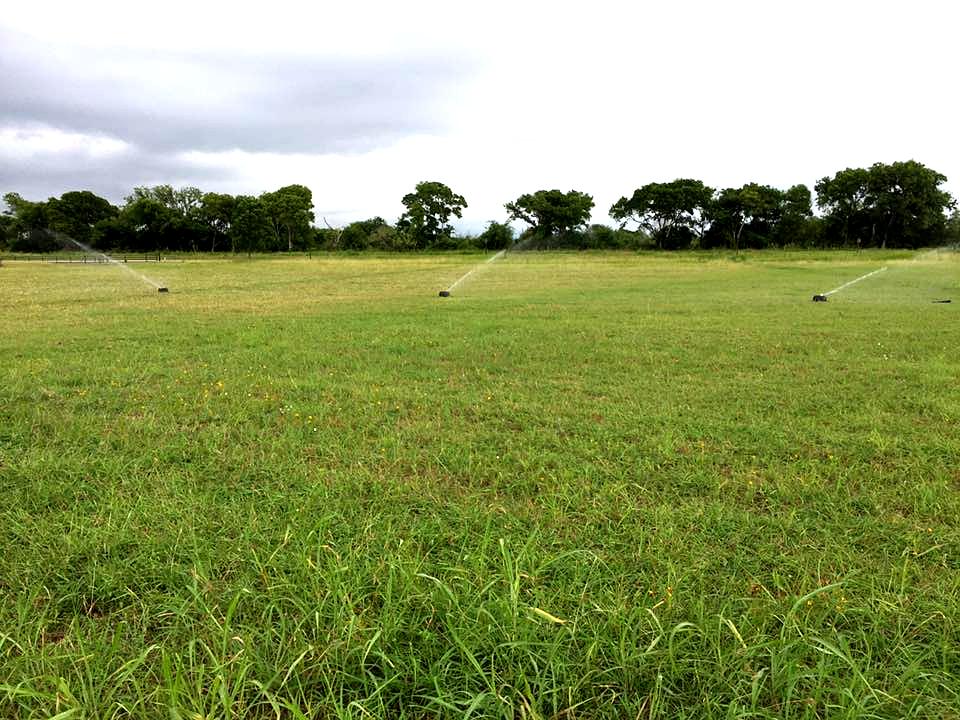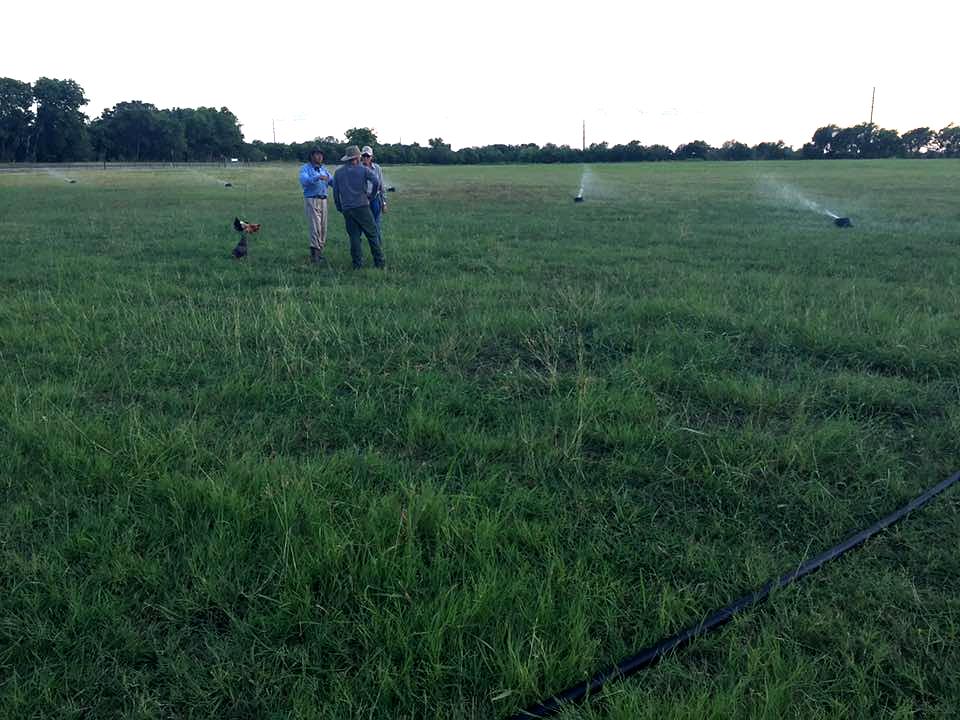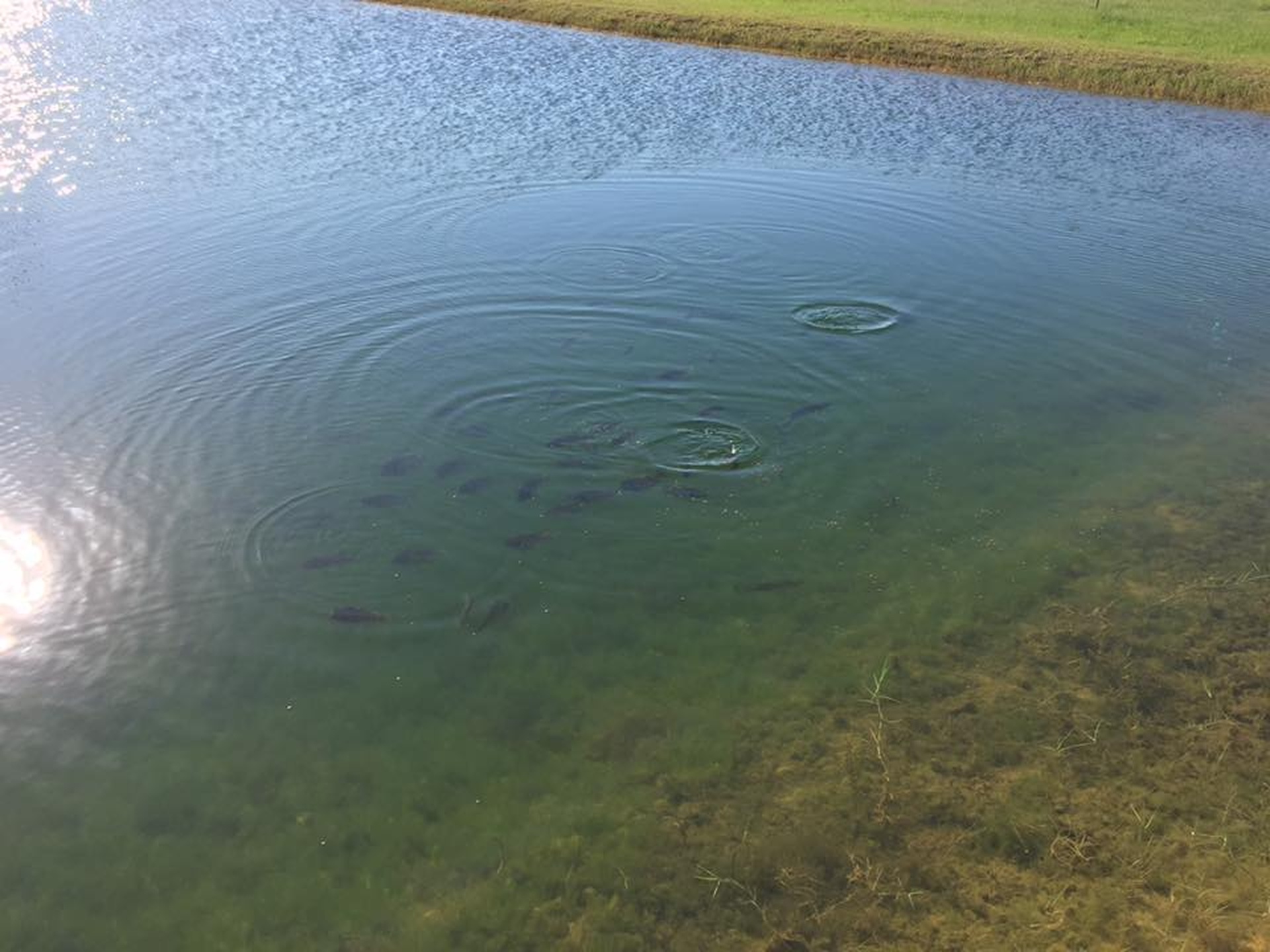

Green water strategies for optimizing rainfed water use in livestock production systems

The Importance of Water for Livestock Health

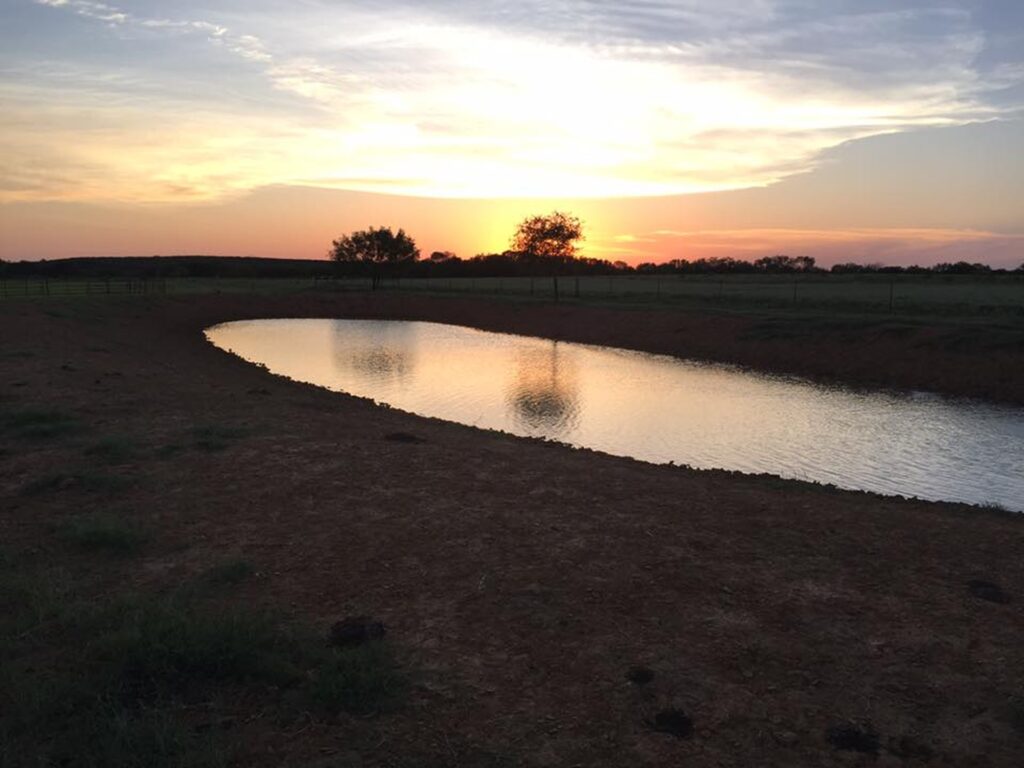
Water is essential for livestock productivity and health. On average, cattle require up to 12 gallons of water daily, with needs increasing during hot or dry weather. Efficient water use is crucial to sustain livestock operations, particularly during drought conditions when water supplies are limited. Learn practical water conservation strategies for livestock operations to ensure efficient usage and animal wellbeing.

Water Conservation - Morales Feed And Supply

Top Water Conservation Strategies for Livestock Operations

  1. Upgrade Watering Systems
    Install automatic waterers to prevent overflow and ensure animals have access to clean water without waste.
  2. Use Water Storage Tanks
    Large storage tanks allow farms to store water during wet periods, ensuring a steady supply for dry seasons.
  3. Maintain Hydration Points
    Regularly inspect and repair troughs and tanks to prevent leaks and contamination.
  4. Implement Rotational Grazing
    Moving livestock between grazing areas reduces water demand in specific zones, giving time for vegetation and water sources to recover.
  5. Shade and Cooling Systems
    Provide shaded areas to reduce heat stress on animals, lowering their overall water requirements.

Benefits of Water Conservation for Livestock Operations

  • Cost Savings: Reduced water usage lowers utility costs.
  • Improved Herd Health: Reliable access to clean water improves productivity and reduces disease risks.
  • Environmental Sustainability: Preserving water resources ensures long-term farm viability.

How Morales Feed and Supply Can Help

For reliable water storage tanks, automatic waterers, and other hydration solutions, trust Morales Feed and Supply. Our range of livestock equipment is designed to help you conserve water while ensuring animal welfare. Visit Morales Feed and Supply today!

Drought-Resistant Feed Alternatives

The Need for Drought-Resistant Feeds

During prolonged droughts, forage availability often becomes a major concern for livestock owners. This shortage can directly impact the health and productivity of your animals, making it critical to find alternative solutions. Fortunately, drought-resistant feeds offer a way to ensure your livestock receive adequate nutrition while conserving precious water resources. But how do you decide which options are best for your farm? Let’s break it down step by step. Explore drought-resistant feed alternatives to keep your livestock healthy and productive during water scarcity.

Top Drought-Resistant Feed Options
Morales feed and supply Cottonseed

When traditional forage is scarce, switching to drought-resistant alternatives is a smart move. Here are some of the best options to consider:

  1. Silage
    To begin with, silage is an excellent option. Made from fermented forage crops, it retains its nutritional value for long periods and requires significantly less water during production compared to fresh forage. Additionally, silage is versatile, as it can be made from a variety of crops, including corn and sorghum.
  2. Cottonseed Hulls
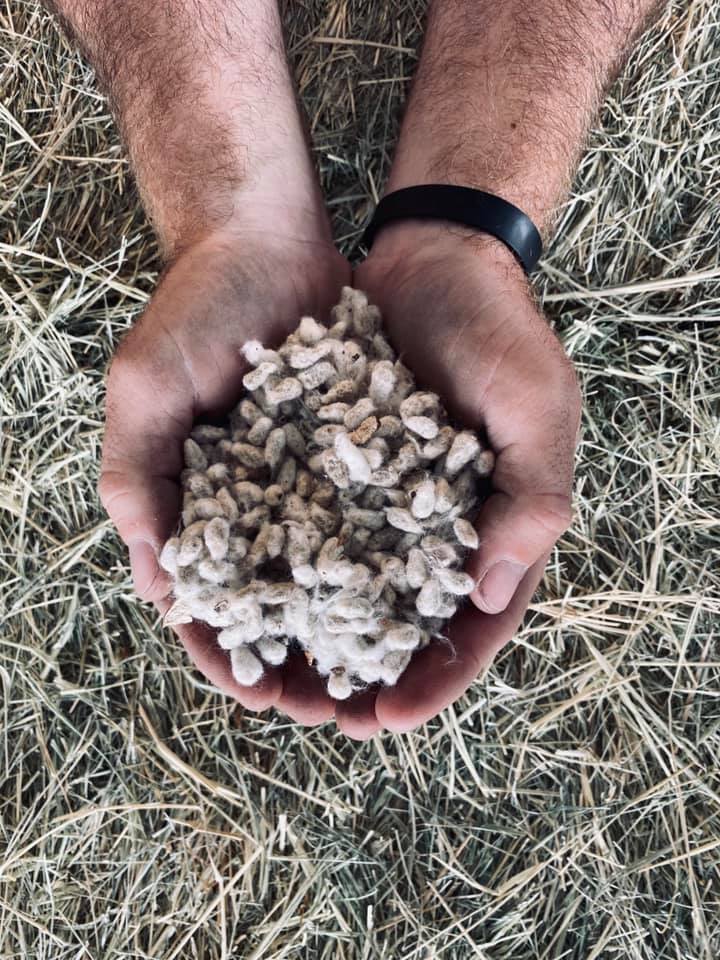
    Another effective option is cottonseed hulls. These are not only high in fiber but are also widely available in regions like Texas. Cottonseed hulls are a byproduct of cotton production, making them both economical and environmentally friendly. Moreover, they are a low-water alternative to traditional hay.
  3. Alfalfa Pellets
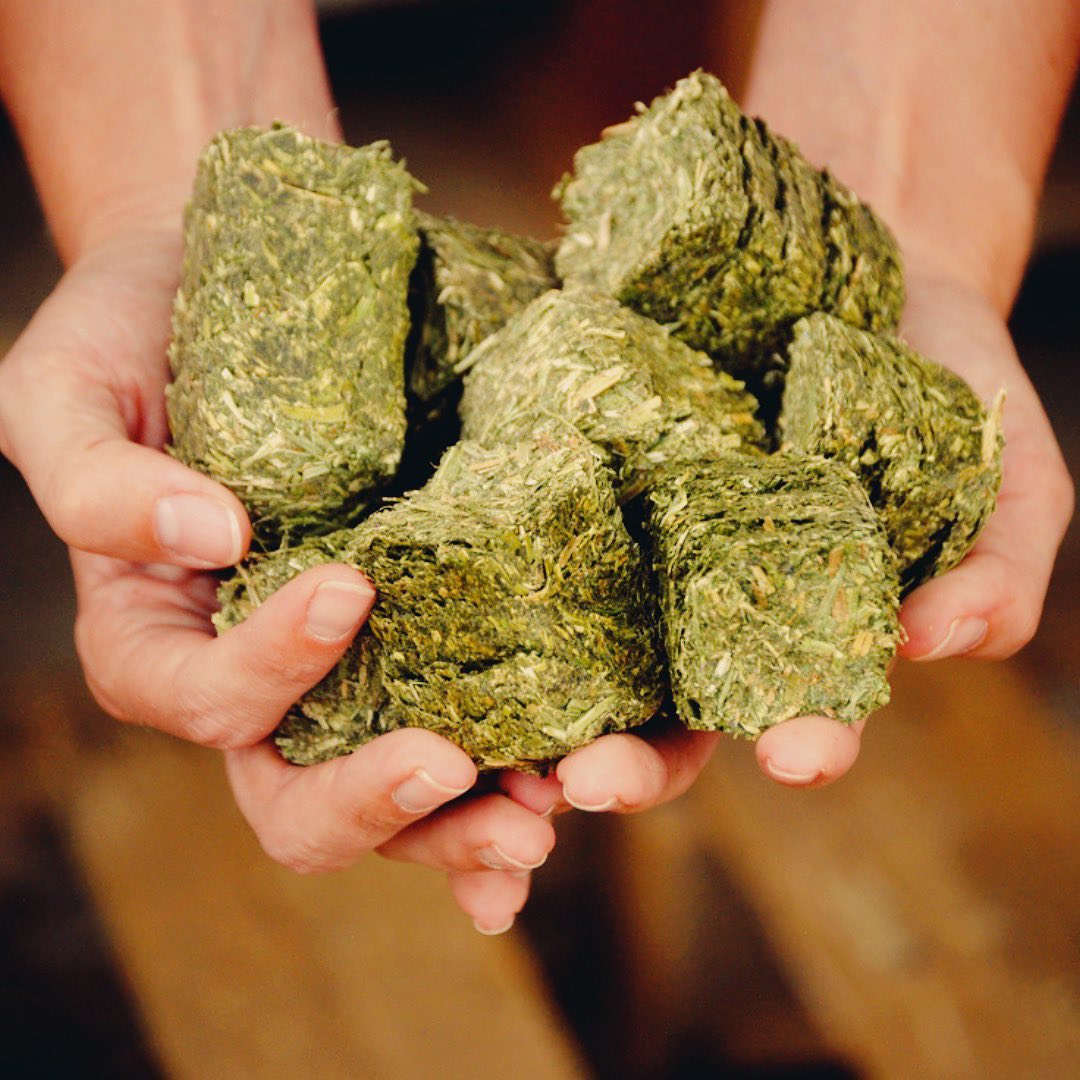
    If you’re looking for something that’s easy to store and transport, alfalfa pellets might be the way to go. These compressed pellets pack a punch when it comes to protein and energy. What’s more, they can supplement your livestock’s diet when grazing is limited.
  4. Cactus Pads
    Surprisingly, cactus pads can also serve as livestock feed in certain areas. This low-cost, water-efficient feed option works particularly well in arid climates. However, it’s important to process the pads correctly to remove spines before feeding.
  5. Drought-Tolerant Grains
    Last but not least, grains like sorghum and millet are excellent substitutes for corn and other water-intensive grains. Not only do they require less water to grow, but they also thrive in dry climates, making them a reliable choice during droughts.

Balancing Drought-Resistant Feeds With Traditional Options

While drought-resistant feeds are incredibly helpful, it’s equally important to maintain a balanced diet for your livestock. For instance, combining drought-resistant feeds with traditional forage can help ensure animals receive all the nutrients they need. Furthermore, regularly monitoring your herd’s health can provide valuable insights, helping you adjust feed ratios as necessary.

But how can you smoothly transition your animals to these alternatives? Start by mixing small amounts of the drought-resistant feed with their usual diet. Over time, gradually increase the proportion of the new feed to help livestock adapt without digestive issues. This step-by-step approach not only prevents stress but also ensures a seamless transition.

Benefits of Drought-Resistant Feeds

Switching to drought-resistant feeds offers several advantages, especially during challenging seasons. First and foremost, these feeds reduce the strain on limited water supplies. Additionally, they allow you to maintain livestock productivity and health without relying solely on traditional forages. Moreover, they help farmers manage costs more effectively by providing economical alternatives during shortages.

Why Morales Feed and Supply Is Your Trusted Partner

When it comes to finding high-quality drought-resistant feeds, you don’t have to look far. Morales Feed and Supply offers a variety of options, from alfalfa pellets to cottonseed hulls, ensuring you have the resources needed to sustain your livestock during tough times. Whether you’re exploring silage options or considering drought-tolerant grains, our knowledgeable team is here to guide you every step of the way.

Visit Morales Feed and Supply today to learn more about how we can support your farm. Together, we’ll help your livestock thrive, no matter the weather conditions!

Post-Rut Feeding for Whitetail Deer

The Critical Recovery Period After the Rut

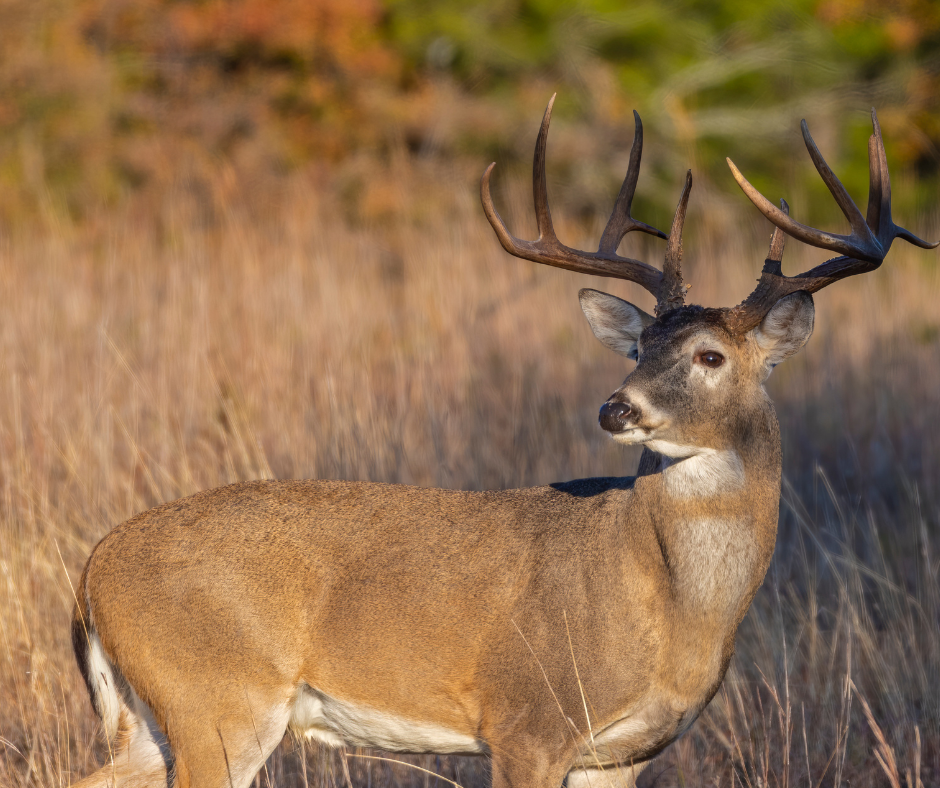
The rut is one of the most physically taxing times for whitetail deer, especially bucks. By the end of the rut, many bucks have lost up to 25% of their body weight and are in dire need of nutritional replenishment. Post-rut feeding is crucial for helping deer regain their strength and prepare for winter survival. Learn the importance of post-rut feeding for whitetail deer to aid recovery and support herd health during winter.

Why Post-Rut Feeding for Whitetail Deer Matters

During the rut, bucks prioritize breeding over feeding, leading to significant energy deficits. The right post-rut diet helps:

  • Rebuild Body Mass: High-energy feeds allow bucks to regain lost weight.
  • Boost Immune Health: Proper nutrition reduces vulnerability to winter illnesses.
  • Support Pregnant Does: Ensures does have the nutrients needed for healthy fawn development.

Key Nutrients for Post-Rut Recovery

  1. Protein: Supports muscle repair and immune function.
  2. Fats: Provides a dense energy source for quick recovery.
  3. Minerals: Essential for antler regrowth and overall health.

Effective Post-Rut Feeding Practices

  • Offer Supplemental Feed: Use protein blocks or wildlife pellets in designated feeding areas.
  • Ensure Access to Fresh Water: Hydration is critical for nutrient absorption.
  • Provide Cover: Feeding areas near natural cover reduce stress and predation risks.

Partner With Morales Feed and Supply

For all your post-rut feeding needs, trust Morales Feed and Supply. Our selection of protein blocks, wildlife pellets, and mineral supplements ensures whitetail deer recover quickly and thrive throughout winter. Visit Morales Feed and Supply for expert guidance and premium products.

The Role of Protein in Winter Wildlife Diets

Protein: The Building Block of Winter Survival

Protein plays a vital role in maintaining the health and survival of wildlife during winter. It supports muscle maintenance, immune system function, and recovery from stressors like cold weather and limited food availability. Discover why protein is crucial for wildlife diets in winter, supporting immune health, muscle repair, and survival.

Why Wildlife Needs Protein in Winter

Winter places extraordinary demands on wildlife, depleting their energy reserves and exposing them to harsh conditions. Protein-enriched diets help wildlife cope by providing:

  • Muscle Repair: Essential for animals recovering from injuries or seasonal stress.
  • Immune Boost: Protein fuels immune cell production, protecting against illness.
  • Energy Metabolism: Aids in converting stored fat into usable energy during food scarcity.

Top Protein Sources for Winter Wildlife

Providing wildlife with supplemental protein ensures they receive the nutrients needed to thrive. Common protein sources include:

  • Soybean Meal: A high-protein option ideal for deer and other wildlife.
  • Protein Blocks: Compact, weather-resistant sources of protein that wildlife can access freely.
  • Wildlife Pellets: Formulated specifically for deer, elk, and other species.

Feeding Strategies for Maximum Benefit

  1. Target Feeding Sites: Place feed in protected areas to minimize waste and encourage use.
  2. Balance Protein Intake: Mix high-protein feeds with fiber-rich options like hay for a balanced diet.
  3. Monitor Animal Health: Watch for signs of improvement in coat condition and activity levels.

How Morales Feed and Supply Can Help

Morales Feed and Supply provides a wide selection of protein-rich feeds tailored to winter wildlife needs. Whether you’re managing deer populations or supporting general wildlife, their high-quality products are backed by expert guidance. Explore Our offerings at Morales Feed and Supply.

Why Feed Fiber (Hay) Matters for Wildlife in Winter

The Importance of Fiber for Winter Wildlife

Fiber-rich feeds like hay are the backbone of winter nutrition for wildlife, particularly herbivores and ruminants. As natural vegetation becomes scarce during colder months, hay provides an essential substitute that keeps animals nourished and healthy. Learn why feed fiber like hay is essential for wildlife during winter, supporting energy and digestive health.

Feed Fiber for Wildlife

How Fiber Supports Energy Needs in Winter

Fiber serves as a slow-release energy source, helping animals maintain body heat during freezing temperatures. Unlike quick-digesting carbohydrates, fiber undergoes fermentation in the gut, providing a steady energy supply that is especially critical in harsh weather conditions.

  • Sustained Warmth: Fermentation produces heat internally, aiding thermoregulation.
  • Endurance Boost: The energy derived from fiber helps animals sustain activity levels during resource-scarce months.

Digestive Health Benefits of Hay

For ruminant species like deer, elk, and goats, fiber supports the complex digestive processes in their multi-chambered stomachs. Proper digestion ensures that wildlife maximizes the nutrients they consume, even when food diversity is limited.

  • Gut Microbe Support: Fiber feeds beneficial microbes, keeping digestive systems balanced.
  • Preventing Hunger Stress: Access to hay reduces the stress of foraging when natural vegetation is unavailable.

Types of Hay for Wildlife

The quality and type of hay matter for wildlife feeding. Options like alfalfa, timothy, or clover hay offer different nutritional benefits:

  • Alfalfa Hay: High in protein and energy, ideal for nutrient-depleted animals.
  • Grass Hay: Lower in protein but rich in fiber, excellent for maintaining digestive health.
  • Clover Hay: A balance of fiber and moderate protein.

Tips for Safe Hay Feeding

  1. Distribute in Covered Areas: Prevent hay from getting wet or moldy.
  2. Monitor Wildlife Activity: Adjust feeding quantities based on demand.
  3. Mix With Natural Forage: Allow wildlife to graze naturally in addition to feeding hay.

Why Choose Morales Feed and Supply?

For the highest quality hay and expert advice on winter feeding, visit Morales Feed and Supply in Devine, Texas. Their range of fiber-rich feed products ensures wildlife and livestock stay healthy throughout the colder months. Learn more at Morales Feed and Supply.

Holiday Tips for Farm and Ranch Owners

Essential Supplies and Tips

The holiday season is a busy time for Texas farm and ranch owners, and preparing now can help ensure a smooth, enjoyable season. From securing essential supplies to managing livestock in cooler weather, here are some top tips to get your property holiday-ready.

Farm holiday supplies Texas

Preparing Livestock for Cold Weather

Cooler weather requires adjustments to livestock care, from bedding arrangements to nutrition changes. Cattle, horses, and small animals like goats and sheep may need extra bedding and insulated shelter during colder nights. Invest in hay and straw for bedding and ensure sheds are secure and free of drafts.

Also, consider increasing protein and fat in your livestock’s diet to provide additional energy. Morales Feed & Supply offers a variety of winter-appropriate livestock feeds tailored to the needs of each species.

Tips for Farm and Ranch Owners – Feed and Supply Stock-up

With holiday schedules and winter storms potentially impacting supply chains, it’s wise to stock up on essential feed and supplies ahead of time. Stockpile feeds, hay, and minerals for livestock, and don’t forget necessities like fuel, tools, and repair materials.

Morales Feed & Supply provides high-quality livestock feeds, bedding materials, and supplements, ensuring you have what you need to keep your operations running smoothly, regardless of weather or holiday closures.

Tips for Farm and Ranch Owners – Decorations and Safety Tips

Holiday decorations can bring warmth and festivity to a farm or ranch, but keeping safety in mind is essential. Choose outdoor-safe, animal-friendly lights, and avoid using hazardous materials near barns or animal enclosures. For instance, battery-powered lights and shatterproof ornaments reduce risks for both animals and equipment.

Creating a welcoming environment with thoughtful decorations enhances the holiday spirit while maintaining a safe space for livestock and pets.

Prepping your farm or ranch for the holidays not only makes the season easier but also creates a welcoming atmosphere for family and friends who visit during this special time of year. By taking proactive steps now, you’ll enjoy a festive and safe season. Morales Feed & Supply is here to help with quality products that meet the unique needs of Texas agriculture.


Essential Fall Feeding Tips for Whitetail Deer in Texas

As fall sweeps across Texas, whitetail deer are preparing for the colder months ahead. Providing the right nutrition is key to supporting healthy herds, especially as many hunters and wildlife enthusiasts gear up for deer season. Here’s how you can make a big difference in the quality and health of your deer population with strategic fall feeding practices.

Fall Feeding

Protein & Minerals: Importance of Protein and Mineral Supplements

Protein and minerals play a crucial role in supporting deer health year-round, but their significance grows as winter approaches. Whitetail deer need consistent protein intake, especially bucks preparing for the rut and upcoming antler growth. High-quality protein supplements can help maintain muscle mass and energy levels.

Minerals, such as calcium and phosphorus, are essential for bone and antler health, helping deer build a robust skeletal structure. A well-balanced mineral block or supplement station can enhance overall deer health, leading to improved reproductive rates and greater herd vitality.

Fall Feeding Forage and Food Plots: Best Crops for Texas Wildlife

Food plots provide a natural and sustainable feeding option for whitetail deer. For Texas properties, optimal crops include clover, oats, and rye—hardy varieties that thrive in Texas soils and cooler temperatures.

Planting these crops in early fall allows them to take root before winter, creating a consistent food source.

Supplemental Feeding Options

For those looking to add additional nutrients, supplemental feeding can be a reliable choice. Morales Feed & Supply offers deer-specific feeds with a balanced mix of protein, fat, and fiber. During fall, aim to provide feeds with moderate protein and increased fiber to promote digestion and maximize nutrient absorption.

A supplemental feed like Morales Feed’s specialized deer protein feed provides easy access to high-quality nutrition, which can be especially valuable during harsh winter periods. Setting up feeding stations at the edge of wooded areas also promotes safe access for deer.

By choosing the right fall feeding strategy, you’ll help your local deer thrive through the winter months and set the stage for a successful hunting season. Supporting Texas whitetail deer with thoughtful feeding plans helps ensure healthier herds and sustainable wildlife management. Morales Feed & Supply is here to support your wildlife goals with a wide selection of products crafted for Texas environments.


Fall and Winter Farming Seeds: What to Plant in Texas and Why

Best Fall/Winter Crops for Texas

Morales Feed Supply | Farming SeedsPreparing for fall and winter farming in Texas is essential for ensuring year-round soil health and farm productivity. One of the most effective strategies for Texas farmers is planting crops that not only support soil structure but also provide valuable forage for livestock during colder months. For example, ryegrass is an ideal cool-season crop that grows quickly and offers high-quality forage while preventing soil erosion. Similarly, winter wheat and clover offer excellent grazing and soil fertility benefits. Farmers looking for top-quality Farming seeds and farming supplies should consider Morales Feed & Supply, which offers a range of seeds, feed, and other essential farming products. By purchasing from trusted suppliers, farmers can ensure they are planting crops that will thrive in Texas’s diverse climate and soil conditions.

The Importance of Cover Crops

Cover crops like ryegrass, oats, and clover are integral to sustainable farming practices in Texas. They help protect soil from erosion, retain moisture during droughts, and enhance soil fertility through natural processes like nitrogen fixation. Planting these crops during the fall and winter months offers additional benefits, such as suppressing weeds and improving water infiltration.

By choosing high-quality cover crops from reliable suppliers such as Morales Feed & Supply, Texas farmers can ensure they are adopting practices that improve soil health while maintaining farm productivity year-round.

Sustainability and Soil Health in Texas

Sustainable farming practices are essential for protecting soil health and ensuring long-term productivity in Texas. Cover crops play a vital role in these practices by improving soil structure, preventing erosion, and enriching the land with organic matter. By selecting the right seeds for fall and winter planting, Texas farmers can reduce their reliance on synthetic fertilizers, lower feed costs, and support healthier ecosystems.

Farmers seeking expert guidance and premium seeds for fall and winter farming should explore the wide range of products available at Morales Feed & Supply. From ryegrass to clover, they offer a selection of seeds designed to thrive in Texas’s unique climate, ensuring that your farm remains productive through every season.

Choosing the right fall and winter farming seeds crops is critical for maintaining soil health and farm sustainability in Texas. Crops like ryegrass, winter wheat, clover, and oats offer a range of benefits, from providing livestock forage to protecting soil from erosion. By purchasing high-quality seeds and farming supplies from Morales Feed & Supply, Texas farmers can ensure they are making informed decisions that support both their operations and the environment.

The Importance of Hay and Cottonseed for Wildlife in Texas

Morales Feed Supply | Hay for Texas wildlifeThe Role of Hay for Wildlife Nutrition

In particular, Texas faces periods of drought and harsh winter conditions that limit the availability of fresh vegetation. During these tough seasons, Hay and Cottonseed becomes an essential supplement, helping sustain wildlife health and preserving natural habitats.

Hay, particularly high-quality varieties like alfalfa, is a nutrient-dense food source that provides wildlife with the necessary fiber, protein, and energy. Alfalfa is especially rich in protein, which is vital for animals such as deer, which require higher protein intake for antler growth and reproductive health. Proper rumen function in deer is crucial, as this allows them to digest food efficiently.

Furthermore, providing supplemental hay during seasons of low vegetation availability helps maintain the health of deer populations. This, in turn, promotes a more sustainable ecosystem in which other species can also flourish.

During Texas’s harsh summers and dry winters, supplementing wildlife diets with hay from reliable suppliers such as Morales Feed & Supply ensures that animals like deer, whose natural forage options may dwindle, remain healthy and avoid malnutrition.


The Benefits of Cottonseed for Wildlife

The high fat content also helps animals build up reserves to get through harsh winter conditions when foraging is minimal. Additionally, the high protein levels in cottonseed support reproductive health in does, helping them produce and nurture healthy fawns.

For bucks, which expend vast amounts of energy during the breeding season, cottonseed ensures they maintain their strength and stamina throughout this crucial period. It also contributes to better body condition and overall vitality, which is essential for the population’s long-term health.

One of the primary benefits of incorporating hay and cottonseed into wildlife management practices is the ability to prevent long-term habitat degradation. When natural resources become scarce, wildlife often overgrazes, leading to erosion and the depletion of native plant species. By supplementing with nutrient-dense feeds, landowners help protect the landscape from further damage, ensuring a more balanced and sustainable environment. Ultimately, a well-planned feeding strategy promotes healthier ecosystems and contributes to biodiversity conservation in Texas.

Conclusion

In Texas, where the climate can be unforgiving, managing wildlife nutrition is key to maintaining a healthy ecosystem. Hay and cottonseed are invaluable tools in ensuring wildlife, particularly deer, get the nutrition they need to thrive during challenging seasons. By integrating these feeds into their wildlife management plans, landowners and ranchers can foster healthier wildlife populations and promote sustainable land use. Morales Feed & Supply provides Texas landowners with high-quality feed options, contributing to more sustainable wildlife management practices.

Prepare for Fall/Winter Farming with Bulk Feeders

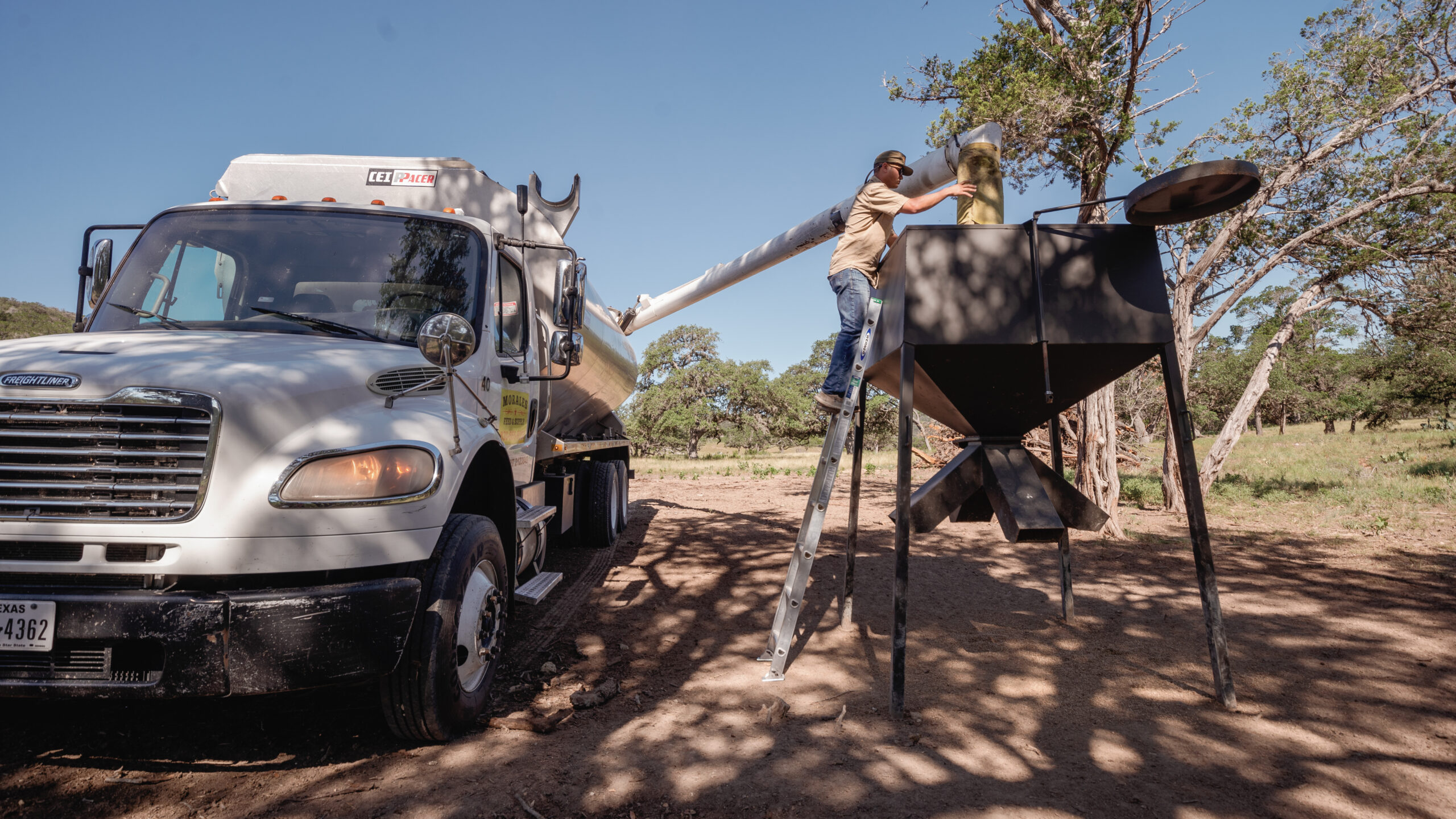
As fall and winter approach, maintaining efficient feeding practices becomes even more important to keep your livestock healthy and your farm running smoothly. At Morales Feed & Supply, we provide a range of high-quality bulk feeders that help streamline feed distribution, making your operations easier and more efficient during the colder months.
Prepare for Fall/Winter Farming with Bulk Feeders

Why Choose Bulk Feeders for Fall/Winter?

When temperatures drop, consistent feeding is critical to maintaining livestock health. Bulk feeders allow you to store and distribute large volumes of feed at once, reducing the frequency of refills and minimizing exposure to harsh weather. This not only saves time but also ensures that your animals have access to feed whenever they need it, keeping them healthy and strong throughout the season.

Our feeders are designed for durability, built to withstand the elements, and large enough to accommodate multiple animals, making them an ideal solution for cattle, horses, and other livestock. Whether you’re running a large operation or a smaller farm, our bulk feeders offer flexibility and reliability when you need it most.

Benefits of Using Bulk Feeders During Winter

  • Time Efficiency: With bulk feeders, you spend less time refilling, freeing up your schedule for other farm tasks.
  • Feed Conservation: Bulk feeders help reduce waste, ensuring that feed stays clean and dry, and is available when your livestock need it most.
  • Consistency in Nutrition: Providing constant access to feed helps maintain your livestock’s health and energy during colder weather, when they require more nutrients to stay warm.

Get Ready for Winter with Morales Feed & Supply
At Morales Feed & Supply, we understand the unique challenges of farming during fall and winter. That’s why we offer a wide selection of bulk feeders that cater to the specific needs of your farm. Whether you’re feeding large herds or smaller groups, we have the right equipment to keep your operations running smoothly.
Bulk Feeders from Morales Feed & Supply

Need help deciding which feeder is best for your farm? Our expert team is always ready to provide advice and support, ensuring you find the right solution.

Discover How We Improve Our Services

As part of our mission to deliver top-tier farming products and advice, Deer Camp Digital helps us maintain a strong online presence, making it easier for farmers like you to access the best tools and resources for your farm. Visit their website to learn more about how we enhance our services through expert marketing strategies.

Prepare your farm for the colder months with Morales Feed & Supply. Our bulk feeders are designed to make feeding your livestock easier and more efficient during fall and winter, ensuring your animals stay nourished and healthy. Visit us today to find the perfect feeder for your needs!