
Choosing the Right Feed for Your Livestock

Choosing the right feed for your livestock is crucial for your livestock’s health and productivity. Different animals need different nutrients, and the right feed can make a big difference in their well-being and performance.

Types of Feed For Your Livestock

  1. Grain-Based Feed
    • Benefits: Provides energy and is easy for animals to digest. Good for finishing cattle and high-performance horses.
    • Examples: Corn, oats, and barley.
  2. Forage
    • Benefits: Supplies essential fiber for digestion and can be more natural for animals. Ideal for grazing animals like cattle and sheep.
    • Examples: Hay, silage, and pasture grass.
  3. Complete Feeds
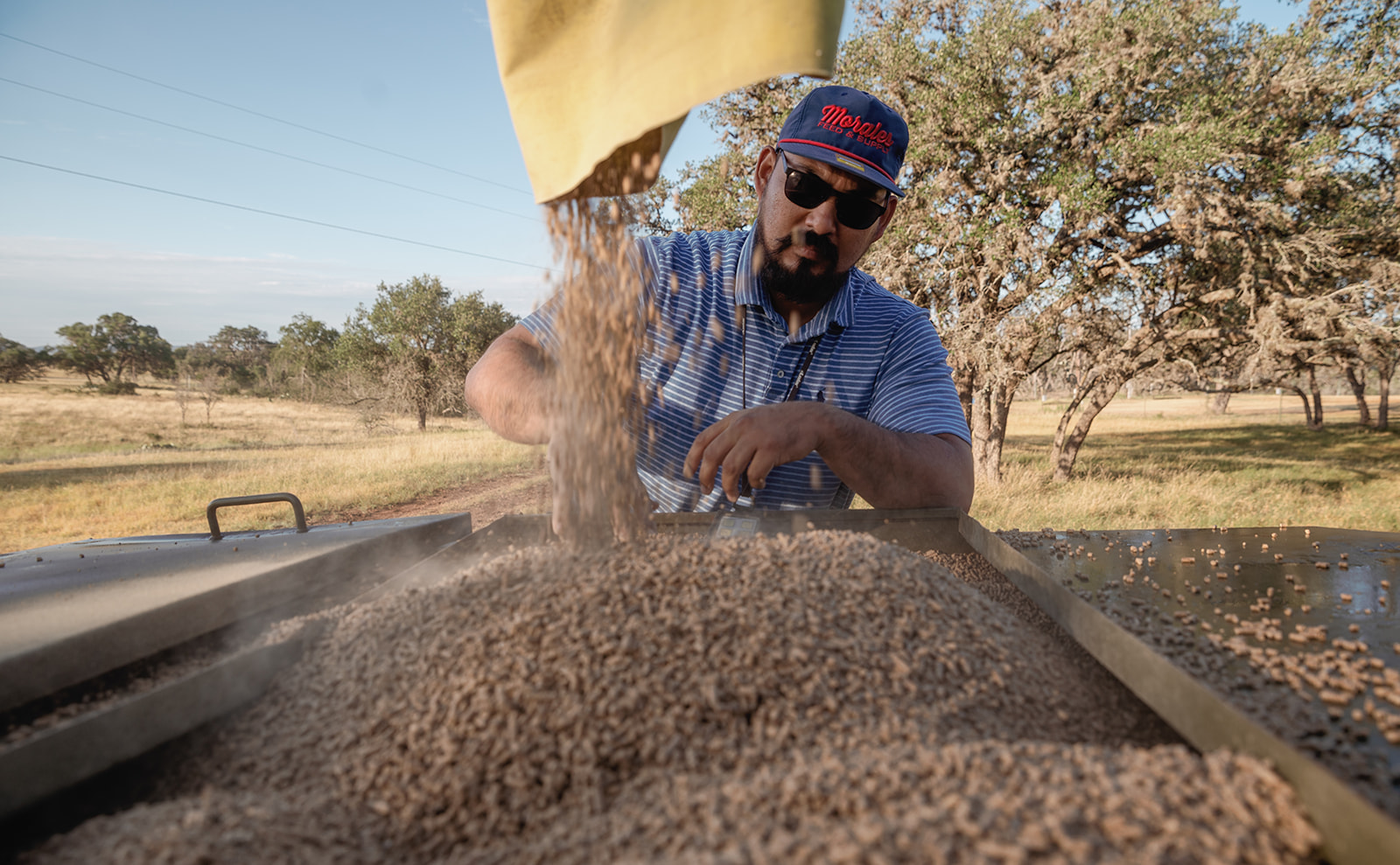
    • Benefits: Contains all the nutrients your livestock needs in one product. Convenient and ensures balanced nutrition.
    • Examples: Pelleted feeds and mixed feeds.

Key Nutrients

  1. Protein
    • Importance: Helps with growth and repair of tissues. Essential for young and lactating animals.
    • Sources: Soybean meal, alfalfa, and canola meal.
  2. Vitamins and Minerals
    • Importance: Supports overall health, immunity, and reproduction.
    • Sources: Commercial vitamin and mineral supplements, or specially formulated feeds.
  3. Fiber
    • Importance: Aids digestion and prevents digestive problems.
    • Sources: Hay, straw, and silage.

Tips for Selecting Quality Feed

  1. Check Labels
    • What to Look For: Ensure the feed meets the nutritional needs of feed for your livestock. Look for clear ingredient lists and guaranteed analysis.
  2. Buy from Reputable Sources
    • Why It Matters: Trusted brands and suppliers ensure high-quality and safe feed.
  3. Store Feed Properly
    • How to Store: Keep feed in a dry, cool place to prevent mold and spoilage.

Benefits of Proper Feed Selection

  1. Health
    • Better Nutrition: Leads to healthier animals with fewer health issues.
  2. Productivity
    • Improved Performance: Ensures animals grow well and produce efficiently.
  3. Cost Efficiency
    • Reduced Waste: Proper feed management minimizes waste and saves money.

Choosing the right feed for your livestock is essential for their health and productivity. Understanding different types of feed, key nutrients, and how to select quality products can make a big difference. For more advice on livestock feed, check out our livestock feed resources.
Guide to Hay and Bedding for Your Livestock

Why It Matters

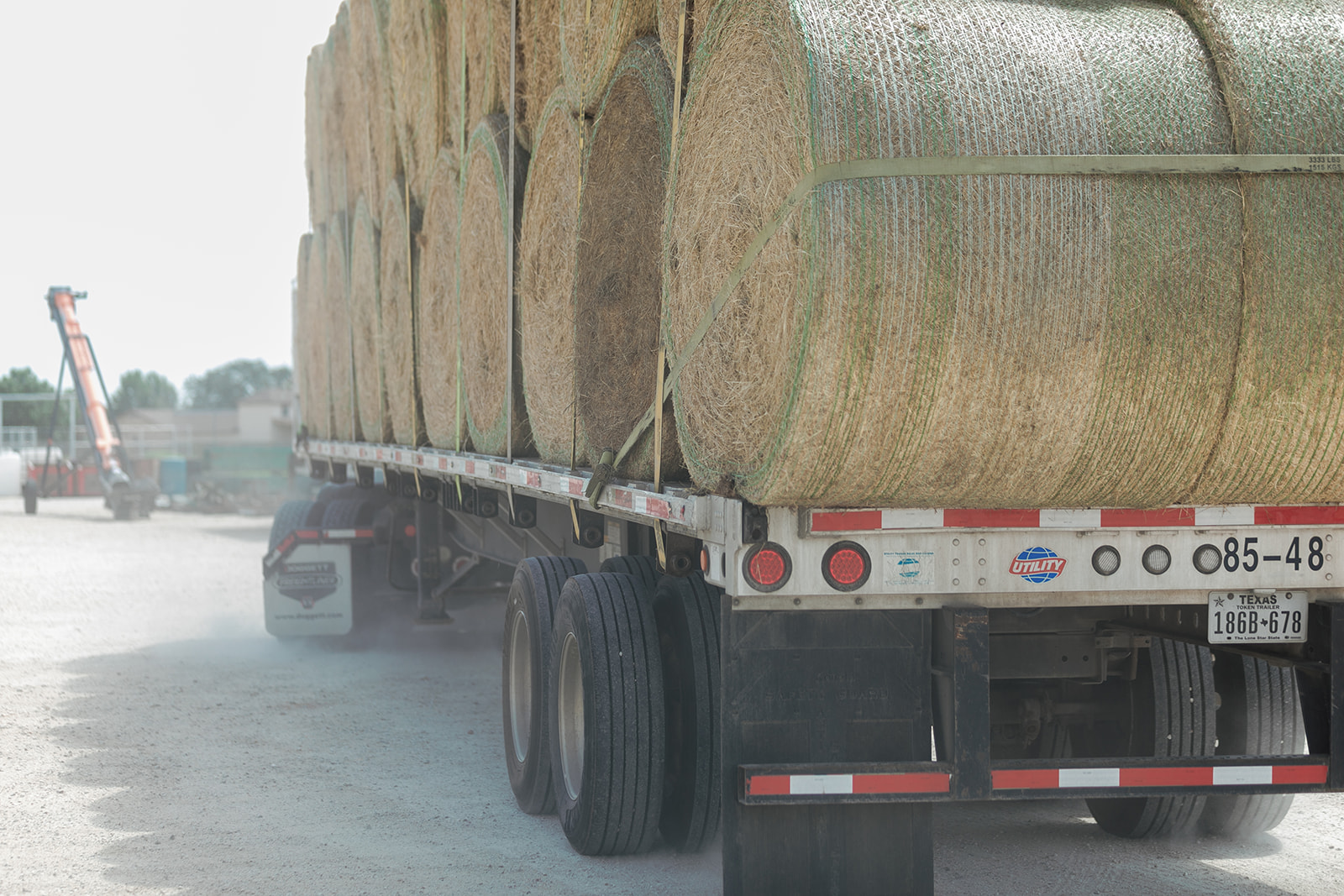
Hay and bedding are crucial for your livestock’s health and comfort. Good hay provides necessary nutrients, and quality bedding keeps their living area clean and cozy. Understanding these basics can improve your animals’ well-being and performance.

Choosing the Right Hay

  1. Types of Hay
  • Alfalfa Hay: Great for young animals and lactating females because it’s high in protein and calcium. Also good for horses with high energy needs.
  • Timothy Hay: A balanced choice for adult animals. Provides fiber and nutrients. Commonly used for horses and small pets like rabbits.
  • Prairie Hay: Good for cattle and sheep. It’s high in fiber but has less protein compared to alfalfa. Often a more affordable option.
  1. Quality Indicators
  • Freshness: Look for green, fresh-smelling hay. Avoid brown or musty hay.
  • Texture: Good hay should be soft and flexible, without mold or dust.
  • Storage: Store hay in a dry place with good airflow to keep it fresh and prevent mold.

Understanding Bedding Options

  1. Types of Bedding
  • Straw: Absorbent and provides good insulation. Best for colder weather. Common for cattle and horses.
  • Shavings: Absorbent and easy to clean. Ideal for horses and small animals.
  • Sawdust: Great for absorbing moisture and controlling odors. Often used with other bedding.
  1. Choosing Bedding
  • Absorbency: Choose bedding that absorbs moisture well to keep the area dry and comfortable.
  • Comfort: Bedding should be soft to prevent injuries. Deep bedding can also help with joint health in horses.
  • Ease of Cleaning: Pick bedding that’s easy to clean and replace to maintain a hygienic space.

Tips for Managing Hay and Bedding

  1. Storage Tips
  • Hay Storage: Keep hay off the ground and covered to protect it from rain and moisture. Use tarps or barns.
  • Bedding Storage: Store bedding in a dry, clean place. Keep it off the ground to avoid moisture.
  1. Feeding Hay
  • Feeding Equipment: Use feeders to reduce waste and keep hay clean. Helps manage how much each animal eats.
  • Monitor Intake: Adjust the amount of hay based on the size and needs of your animals to avoid waste and ensure they get enough.
  1. Bedding Maintenance
  • Regular Cleaning: Frequently remove dirty bedding and replace it with fresh. This keeps the area clean and reduces bacteria.
  • Inspection: Check for mold or dampness in the bedding and fix any issues right away.

Benefits of Proper Hay and Bedding

  1. Health and Comfort
  • Good Hay: Supports digestion and prevents problems like colic in horses. Helps young animals grow.
  • Quality Bedding: Reduces the risk of injuries and provides comfort, which is important for their well-being.
  1. Economic Efficiency
  • Reduced Waste: Proper use of hay and bedding cuts down on waste and saves money, giving you more value.
  1. Hygiene and Cleanliness
  • Clean Living Spaces: Good bedding keeps the area clean and lowers the risk of diseases.

Selecting the right hay and bedding is vital for your livestock’s health and comfort. Knowing how to choose and manage these can greatly improve your animals’ quality of life. For more tips on livestock care, visit our livestock care resources.