
Chicken Litter Will Transform Your Soil

7 Reasons Pelleted Chicken Litter Will Transform Your Soil Microbiology

If you’re trying to build healthier pastures, improve forage quality, or get more out of every acre, the process begins below the surface. The biology of your soil — especially microbial life — is what drives nutrient cycling, water retention, and long-term productivity.
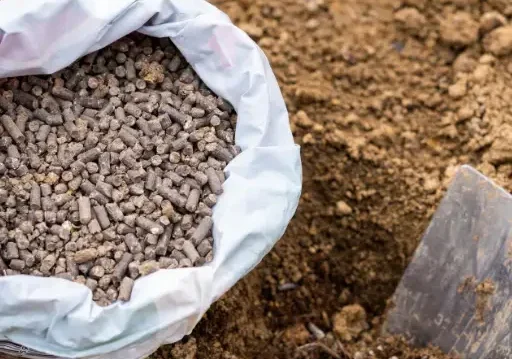
Fortunately, one of the most effective tools for jump-starting that biological engine is pelleted chicken litter.

This isn’t just a nutrient source. Rather, it’s a soil-building strategy that works with nature, not against it.

It Feeds the Microbes, Not Just the Plants

Unlike synthetic fertilizers that bypass soil biology entirely, pelleted chicken litter is full of carbon-rich organic matter. This matters because microbes rely on organic carbon as a food source. By nourishing these underground workers first, you’re creating a more active, balanced, and resilient soil ecosystem — one that naturally supports healthy forage and plant growth over time.

It’s Packed with Slow-Release Nitrogen

In addition, the nitrogen found in pelleted litter is tied to organic compounds, which means it releases slowly over time. As a result, it stays in the soil longer, reducing leaching and loss. This delivers a more consistent and reliable nitrogen supply to both your plants and the microbes that feed them — without the dramatic spikes and crashes associated with synthetic fertilizers.

It Improves Soil Structure Over Time

Every time you apply pelleted chicken litter, you’re not just fertilizing — you’re improving the physical makeup of your soil. The carbon and organic matter it contains support better soil aggregation, which leads to improved water infiltration, reduced compaction, and better oxygen flow for roots and microbes. Over time, this builds a stronger, more resilient foundation for plant growth.

It Supports Beneficial Fungi and Bacteria

In addition to microbes, pelleted chicken litter helps promote the growth of beneficial fungi and bacteria. It contains organic acids, enzymes, and trace minerals that feed diverse microbial communities — including mycorrhizal fungi, which connect root systems and improve nutrient and water uptake. In other words, you’re boosting your soil’s natural efficiency.

It’s Less Likely to Burn Your Crop

Compared to raw litter or high-nitrogen synthetic fertilizers, the pelletized form is more stable and buffered. This means there’s a much lower risk of crop burn, especially in young or stressed plants. Because of this, it can be applied with fewer restrictions and with more confidence, giving you greater flexibility throughout the season.

It Helps Balance Soil pH

Over time, the organic matter in pelleted chicken litter can help buffer acidic soils and push them toward a more neutral pH. This matters because many key nutrients become more available at balanced pH levels. As a result, microbial life thrives and your soil becomes more productive — naturally.
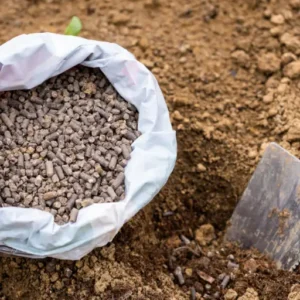
It’s Easy to Store, Spread, and Apply

Finally, the pelletized form makes application simple. It’s clean, compact, and compatible with most standard spreaders. There’s no special handling, no clogging, and no complicated calibration. Whether you’re working a few acres or managing a large pasture system, pelleted chicken litter is easy to apply when and where you need it.

Final Thought

If you’re ready to fertilize smarter — not harder — pelleted chicken litter deserves a place in your program. It’s more than a nutrient boost. It’s a long-term investment in the biology that powers your land.

Healthier soil means healthier forage, stronger root systems, and better production year after year.

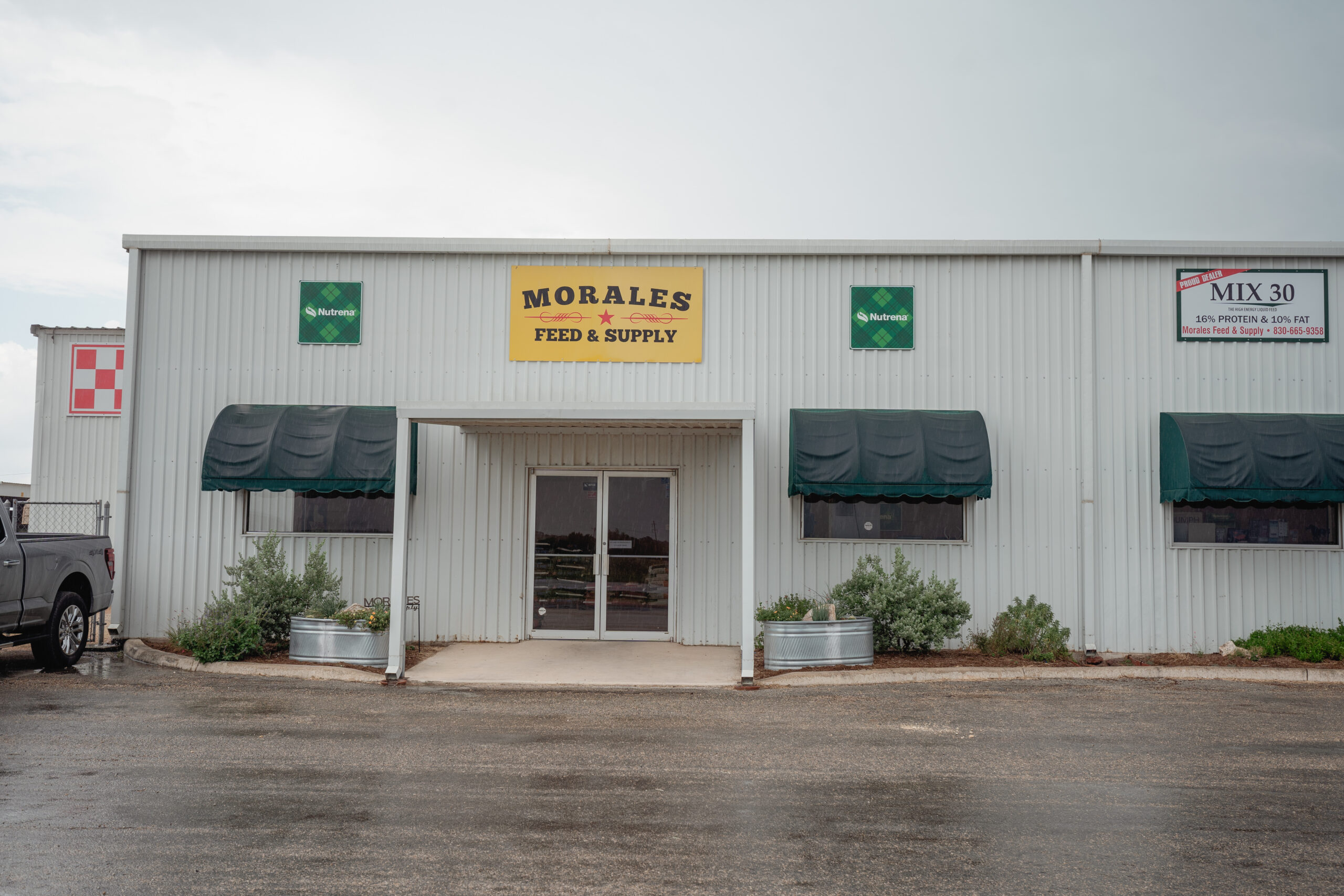
Visit Morales Feed & Supply in Devine to ask about availability, pricing, and how to start putting your soil biology to work today.
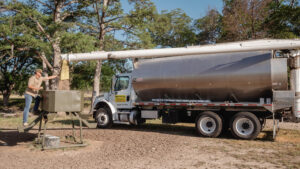
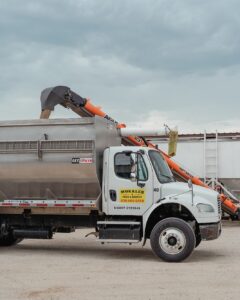
We are proud to offer delivery service to our local area for our products. Our delivery team takes good care to ensure products are delivered according to your wishes.

Let’s rebuild from the ground up — and grow stronger from the inside out.
It Starts with the Soil

It Starts with the Soil

Morales Feed & Supply Proudly Supports Holganix and the Regenerative Agriculture Movement in South Texas

South Texas land has fed families, fueled local economies, and raised generations of ranchers and farmers. However, the soil we inherited isn’t the same soil we’re passing on. Years of overuse, compaction, and chemical saturation have stripped away the natural biology that once made it productive.

At Morales Feed & Supply in Devine, Texas, we believe that’s not acceptable. We’re committed to a better future. That’s why we support Holganix and the growing regenerative agriculture movement—a return to practical, proven methods that restore soil health and productivity from the ground up.

Soil Isn’t Dirt. It’s Alive.

Dirt is dead. Soil is alive.

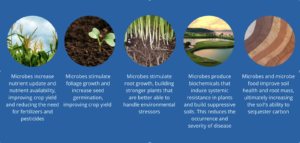
Healthy soil is a living ecosystem filled with billions of microbes, fungi, bacteria, and beneficial organisms. These living organisms work together to:

  • Break down organic matter

  • Fix nitrogen and unlock phosphorus

  • Improve water retention and infiltration

  • Encourage deeper root growth

  • Boost plant immunity and fight disease

When those microbes die off—often due to years of chemical use, deep tillage, and overgrazing—soil function declines. As a result, you end up applying more inputs, spending more money, and seeing fewer returns.

What Is Holganix Bio 800+?

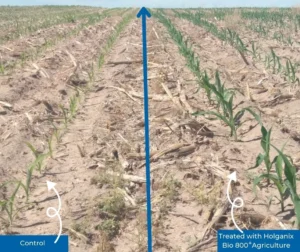
Holganix Bio 800+ is not a fertilizer. Instead, it is a living microbial inoculant designed to restore soil biology. When soil microbes return, your ground becomes fertile, productive, and profitable once again.

Each jug contains:

  • Over 800 species of beneficial soil microbes

  • Nitrogen-fixing bacteria

  • Mycorrhizal fungi

  • Trichoderma and other growth-promoting fungi

  • Beneficial nematodes

  • Enzymes and organic acids

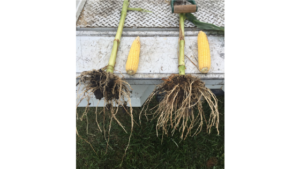
These microbes activate as soon as they hit the soil. They begin breaking down nutrients, improving uptake, and building stronger, deeper root systems.

What Can You Expect?

According to field studies and grower feedback, Holganix users have seen the following results:

  • 10 to 20 percent yield increases in hay and forage

  • Up to 50 percent reduction in nitrogen inputs

  • Improved root zones and better drought resilience

  • Faster regrowth in grazing systems

  • Reduced compaction and improved water infiltration

  • Healthier plants with higher nutrient density and Brix levels

This isn’t about overnight miracles. Instead, it’s about rebuilding natural systems so your land works with you, not against you.

Regenerative Agriculture Is Not a Trend

For over 70 years, agriculture has leaned on chemical fertilizers to drive production. Unfortunately, this approach has left us dependent, damaged our soils, and driven up costs.

Regenerative agriculture offers a smarter path forward. It’s about putting biology back where it belongs and reducing our reliance on synthetic inputs. While you don’t have to change your entire operation overnight, starting small can make a big difference.

Because each year you delay, the soil loses more life. And with every season you rebuild, you restore that life.

Why Morales Feed & Supply Supports Holganix

We’ve seen what happens to pastures after tough years—cracked ground, poor growth, and lower yields. But we’ve also witnessed the transformation that takes place when biology is restored.

That’s why Morales Feed & Supply offers Holganix:

  • It reduces long-term fertilizer use

  • It boosts pasture and forage performance

  • It improves water quality and limits runoff

  • It is safe for livestock, wildlife, and pollinators

  • It works in both conventional and organic systems

  • Most importantly, it works right here in South Texas—in heat, drought, and real-world ranch conditions

Start Small and See the Difference

You don’t have to overhaul your program in one day. However, doing nothing won’t improve your soil.

Try Holganix on a single hayfield. Apply it to a grazed pasture. Mix it in with your next spray. The sooner you begin, the faster your soil will start working for you again.

We’re here to help:

Call (830) 665-9358
Visit us at Morales Feed & Supply in Devine, TX
Ask about delivery and pickup options
Let’s map out a soil plan together

The regenerative movement is growing. It’s practical. It’s profitable. And it starts with one decision.

You can wait another season. Or you can take control of your land today.

Feed and Hay Service Devine TX

We Bring the Feed to You – Delivery & Consultation That Works for South Texas Ranchers

Morales Feed & Supply: Delivery, Expertise, and Service Wherever You Are

Since 1981, Morales Feed & Supply has prided itself on serving South Texas with the feed and supplies you need-delivered to your ranch or farm doorstep. We know what it’s like to juggle hay, livestock, irrigation, and soil health-and that’s why we don’t just sell stuff. We become part of your team.

1. Feed and Hay Service Delivery in Devine TX

  • Wide coverage: From Devine to Freer and beyond, we deliver bulk or bagged feed, hay, bedding, fertilizer-you name it.

  • Schedule that fits your operation: We work around your busiest times, so you get what you need when you need it.

  • Careful handling: Hay bales stacked securely, feed transported without mess-because trust matters.

2. Personalized Consultation Services

  • Soil and pasture analysis: Want to boost forage quality or reduce fertilizer usage? Our soil amendment experts tailor recommendations for your land type.

  • K-Line Irrigation insight: We help you design, install, or improve K-Line systems to irrigate your pastures smarter and conserve water.

  • Harvest Innovations planning: Looking to ramp up hay production or improve bedding quality? We guide your choices so operations stay efficient.

Rancher Story: The Morani Family

Recently, the Morani Ranch reached out about diversifying their feed strategy and planning irrigation upgrades. We delivered bulk feed, evaluated their pasture soil, and recommended a phased K-Line retrofit-boosting forage yields and reducing water use. That’s the Morales difference.

Ready to Make Life Easier?

Whether you’re feeding cattle or planning your next irrigation upgrade:

  • Call us at (830) 665-9358

  • Visit our Devine location (Mon–Fri, 8–5; Sat 8–12)

  • Or learn more at moralesfeedandsupply.com

Morales: We bring the store to you. The stuff you need-where you need it.

Fuel the Herd. Feed the Land.

Why South Texas Ranchers Trust Morales Feed & Supply for Performance-Based Nutrition

When you’re raising animals in South Texas, “good enough” feed doesn’t cut it. From the heat to the dry spells, your livestock and wildlife programs need nutrition that works as hard as you do. At Morales Feed & Supply, we stock proven formulas and create custom blends that help you get more from every pasture, pen, and protein feeder.

From high-fence ranches near Freer to backyard flocks and multi-species show herds in Devine, more folks are switching to feeds that deliver real results.

AntlerPlus: Trusted by South Texas Hunters and Landowners

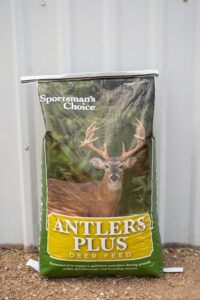
Sportsman’s Choice AntlerPlus isn’t just another bag of feed. It’s a precision blend built to support antler growth, herd health, and body condition even in the harshest conditions. Whether you’re filling feeders year-round or getting your lease dialed in for the fall, AntlerPlus is a proven choice for stronger, heavier, healthier deer.

Ranchers and hunters across South Texas count on it to perform.

Custom Feed Programs That Fit Your Operation

No two operations are the same. That’s why Morales offers custom feed blends tailored to your exact needs. Whether you’re raising cattle, goats, poultry, or all three, we’ll help you lock in the right ratio of protein, fiber, and minerals to match your goals and your land.

Designed specifically for South Texas heat and drought, our blends help reduce waste, improve health, and stretch your dollar further.

Bulk Feed Delivery for Freer, Devine, and Beyond

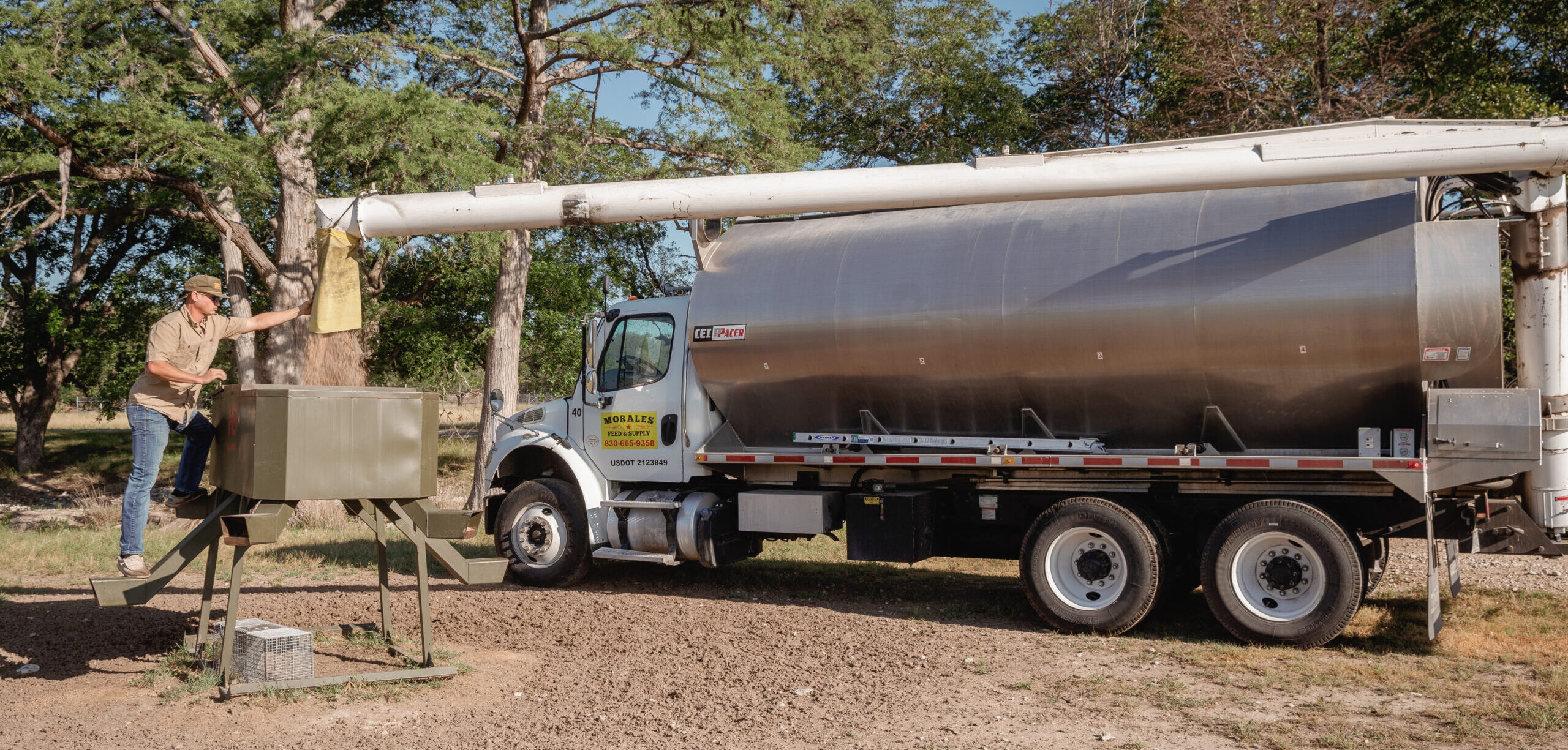
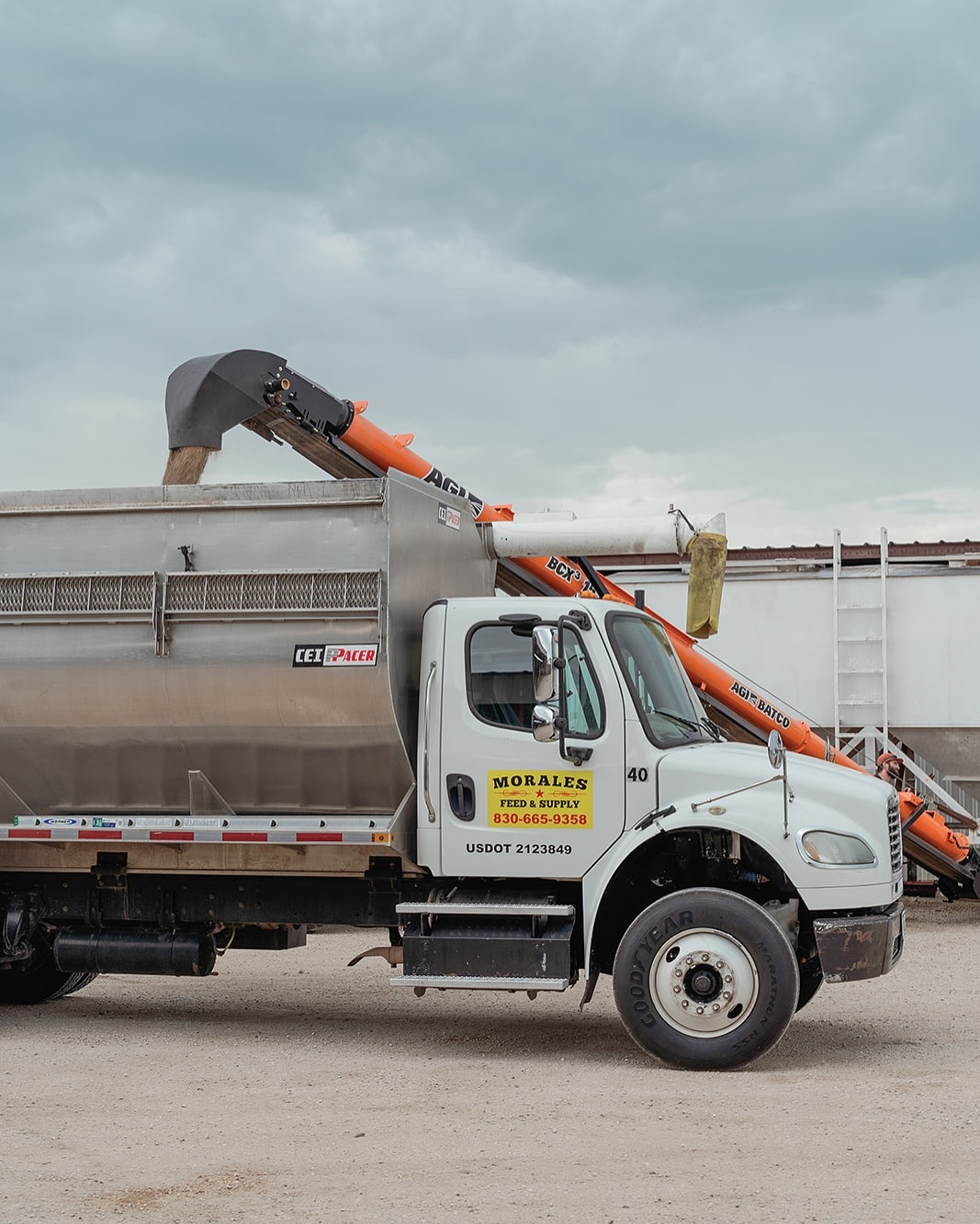
Running out of feed at the wrong time can throw your whole schedule off. With bulk delivery from Morales Feed & Supply, you get consistency without the hassle. We’ll work with you to schedule regular drop-offs that keep your bins full and your animals fed.

You don’t have to worry about restocking or running into town last minute. Just dependable delivery and fresh feed when you need it.

We Know Feed Because We Live It

It’s one thing to sell feed. It’s another to actually know how it performs out here in the South Texas brush. Our team understands the livestock, the wildlife, and the land because we’re part of the community. We’re here to help you troubleshoot, improve performance, and build a program that works long term.

No gimmicks. No guesswork. Just real knowledge and real results.

Top Feeds Stocked and Ready

When feed is in high demand, we keep the good stuff on the shelves. Morales Feed & Supply proudly carries brands and formulas designed for real South Texas conditions. From high-performance show feeds to affordable all-stock blends, we’ve got what your operation needs.

Goat & Poultry Feed
Kid & Goat Complete – Balanced for strong growth and long-term health
Egg Maker – Supports consistent egg production
Sunflower Scratch – Encourages natural foraging and activity

Cattle & Livestock Feed
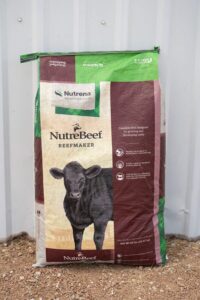
NutreBeef Beefmaker – High-energy formula for growth and gain
Cowboy Cubes – Protein and fiber to maintain body condition
All Stock Sweet – Versatile feed for multi-species operations

Wildlife & Specialty Feed
Econo Creep Pellets – Great start for young calves
AntlerPlus – Field-tested blend for antler growth and deer health

In South Texas, your feed program is the foundation. If you’re ready to level up your operation, Morales Feed & Supply is here to help.

Give us a call at (830) 665-9358 or come see us at 1324 State Highway 173 N in Devine, TX. We’ll help you get exactly what your herd, flock, or wildlife program needs to thrive.

Built for the Brush Country

How K-Line Irrigation Helps South Texas Farmers and Ranchers Take Control of Water, Growth, and Grazing

If you’re raising cattle, managing hay fields, or trying to grow quality forage in South Texas, you already know… every drop of water counts. Between dry spells, shallow soils, and unpredictable rainfall, keeping your operation moving forward can be a challenge.

That’s why more and more folks are turning to K-Line Irrigation. It’s a flexible, low-pressure system that helps you grow more grass, use less water, and stay in control of your land.

At Morales Feed & Supply in Devine, we’ve seen it work firsthand. We don’t just sell it — we install it, support it, and believe in it.

Ranch-Born, Range-Proven

K-Line was originally built by a New Zealand dairy farmer who needed a better way to irrigate pastures without tearing up his land. Since then, it’s become one of the most trusted systems for livestock producers around the world.

Today, over 200,000 acres in New Zealand use K-Line. And here in Texas, that same success is taking root — especially across the Brush Country.

K-Line is made for cattlemen, hay producers, and landowners who want something that works without overcomplicating the process.

Why South Texas Producers Trust K-Line

Whether you’re running cow-calf pairs, cutting Coastal, or rotating paddocks, K-Line adjusts to your land and your routine.

  • Works great on irregular or fenced pastures

  • Easy to move with an ATV or UTV

  • Keeps water flowing low and slow for better soil soak

  • Helps reduce runoff, erosion, and water waste

  • No need to move trees, barns, or fencing

This isn’t a system that makes you change everything to make it fit. K-Line is built to match how you already operate.

More Grass, Less Waste

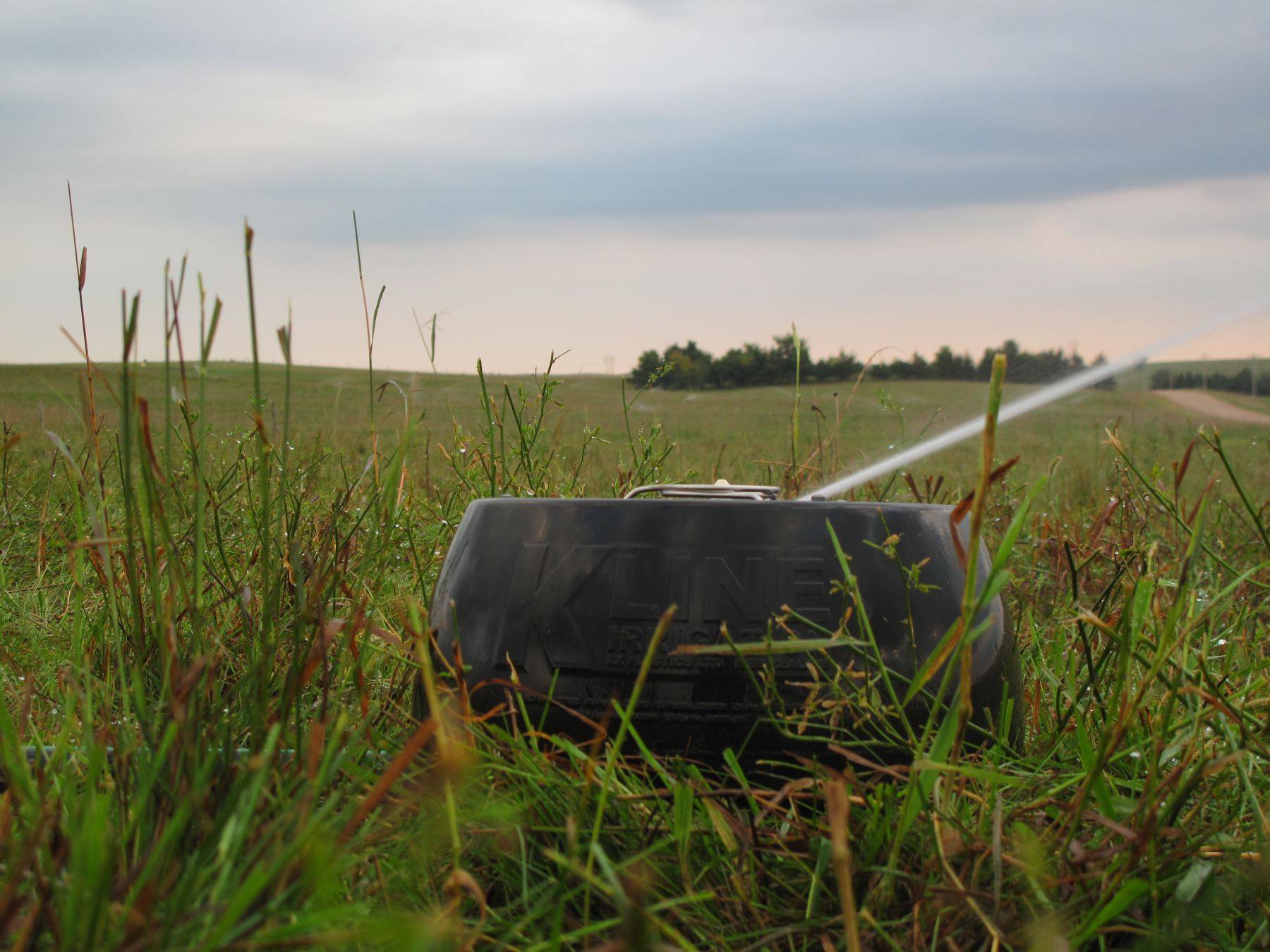
K-Line uses smaller sprinklers that run over longer periods. It’s a low-pressure, slow-release approach that helps water stay in the soil where your plants can actually use it.

  • Helps pastures bounce back after cutting or grazing

  • Reduces bare spots and soil washout

  • Supports deeper root growth

  • Maximizes your well or pump’s output

  • Keeps your grass greener, even in dry years

Support That Sticks With You

At Morales, we don’t just hand you a box and send you on your way. When you work with us on a K-Line system, we’re with you from start to finish.

  • We’ll walk your land and help design the layout

  • Deliver and assemble your system on-site

  • Answer questions before, during, and after install

  • We work with all water setups and property sizes

From Atascosa to Duval County, we’ve helped ranchers build smarter irrigation setups without making things harder than they need to be. Every pasture is different, so we take the time to get it right.

Where K-Line Works Best in South Texas

You’ll find K-Line doing its job on:

  • Hay fields with Sudan, Coastal, or Tifton

  • Improved pastures for grazing

  • Native grass areas needing a boost

  • Dust control in pens and alleyways

  • Dry or unproductive patches you’re trying to reclaim

  • Anywhere you want to stretch your water further

If you’re looking to grow more grass or feed more head without relying on unpredictable weather, it’s worth taking a serious look at this system.

On-Site Assembly Available

We offer full-service installation and flexible scheduling. Our team assembles the system right there on your land and makes sure it’s running exactly how it should.

Pricing depends on your setup, but we’re happy to walk you through it.

Let’s Build a Forage Plan That Works

K-Line helps you stop waiting on the rain and start planning for better production. It gives you more control, less waste, and a clearer path forward.

Come see us at Morales Feed & Supply in Devine, TX or give us a call to learn more. We’re proud to support South Texas ranchers with tools that actually make a difference.

The Benefits of K-Line Irrigation Systems for Efficient Water Management

Improve Crop Growth and Save Water with K-Line Irrigation

Water is a precious resource, and efficient irrigation is essential for farmers and landowners. Traditional irrigation systems can be costly, inefficient, and difficult to manage. K-Line irrigation systems provide a cost-effective, flexible, and water-efficient alternative that improves crop growth while reducing waste.

In this article, we’ll explore:

  • What is a K-Line irrigation system?
  • Key benefits for farmers and landowners
  • How to install and maintain K-Line irrigation
  • Best crops for K-Line irrigation

What is a K-Line Irrigation System?

K-Line Irrigation Systems

K-Line irrigation is a portable, low-pressure sprinkler system designed to deliver water efficiently to pastures, fields, and orchards. Unlike traditional overhead or drip irrigation, K-Line uses durable polyethylene tubing with sprinkler pods that can be moved easily to different locations.

How It Works

  1. Water is delivered through flexible tubing connected to a water source.
  2. The system distributes water evenly using sprinkler pods.
  3. Farmers can easily move the tubing to different areas as needed.

Benefits of K-Line Irrigation Systems

1. Water Conservation

K-Line irrigation uses low-pressure sprinklers, reducing water waste and ensuring better soil absorption. This method prevents runoff and evaporation, common issues with traditional irrigation.

2. Cost-Effective Solution

Compared to permanent irrigation systems, K-Line requires less initial investment and lower maintenance costs.

3. Flexibility and Easy Installation

The system is designed to be moved manually, making it perfect for rotational grazing and multi-crop farming.

4. Better Crop Health and Growth

By distributing water more evenly, K-Line irrigation promotes healthy root development, leading to higher yields and better-quality crops.

How to Install and Maintain a K-Line Irrigation System

Installation Steps

  1. Choose the right tubing size based on your land size.
  2. Connect the tubing to your water source (well, pump, or reservoir).
  3. Position the sprinkler pods evenly to cover the desired area.
  4. Test the system and adjust for maximum efficiency.

Maintenance Tips

  • Regularly check for leaks and blockages.
  • Clean the sprinkler heads to prevent clogging.
  • Move the system frequently for even coverage.

Best Crops for K-Line Irrigation

K-Line irrigation is suitable for:

  • Pastures – Ideal for grazing livestock.
  • Row crops – Corn, wheat, and soybeans.
  • Orchards & Vineyards – Apples, grapes, and citrus fruits.
  • Forage Crops – Alfalfa, cowpeas, and clover.

K-Line irrigation systems offer an efficient, affordable, and flexible solution for farmers looking to improve water management. By reducing water waste and promoting healthier crop growth, this system is a smart investment for sustainable farming.

👉 Interested in K-Line irrigation? Contact us today for expert advice and top-quality irrigation supplies!

Soil Health: The Key to Higher Yields and Sustainable Farming

 Improve Your Soil for Better Crops and Long-Term Farm Success

Healthy soil is the foundation of successful farming. Without proper soil health, crops struggle to absorb nutrients, leading to lower yields and weaker plants. By improving soil structure and fertility, farmers can enhance productivity and ensure long-term sustainability.

In this guide, we’ll cover:
What is soil health?

  • The role of organic matter, microbes, and nutrients
  • Best practices for improving soil fertility
  • How to protect your soil from erosion and depletion

What is Soil Health?

It refers to the soil’s ability to support plant growth, retain water, and cycle nutrients efficiently. Healthy soil contains:

  • Balanced nutrients (nitrogen, phosphorus, potassium)
  • Organic matter for microbial activity
  • Good structure for water retention

How to Improve Soil Health

1. Increase Organic Matter

Adding compost, manure, and cover crops improves soil structure and nutrient retention.

2. Rotate Crops Regularly

Crop rotation prevents nutrient depletion and disrupts pest cycles. For example:

Corn → Soybeans → Cover Crop improves nitrogen levels.

3. Reduce Tillage

Minimizing soil disturbance helps maintain microbial activity and prevents erosion.

4. Use Cover Crops

Plants like clover, cowpeas, and rye enrich the soil, reduce erosion, and enhance moisture retention.

Improving soil health is crucial for sustainable farming and higher yields. By enhancing organic matter, using crop rotation, and reducing tillage, farmers can build stronger, more productive soil for the future.

👉 Need soil amendments or fertilizers? Visit us today!

Cow Peas: A Nutrient-Rich Cover Crop for Soil Improvement

Why Farmers Love Cow Peas for Soil Health and Livestock Feed

Cow Peas A Nutrient-Rich Cover Crop for Soil Improvement

Cow peas are one of the most versatile crops for farmers looking to improve soil health, prevent erosion, and provide high-quality forage for livestock. These fast-growing legumes enrich the soil with nitrogen, making them an excellent choice for sustainable farming practices.

In this article, we will cover:

  • What cow peas are and their benefits for soil
  • Best practices for planting and maintaining cow peas
  • Using as livestock feed
  • Companion planting strategies

What Are?

Cow peas (Vigna unguiculata) are warm-season legumes widely used in cover cropping systems. They grow quickly, thrive in hot climates, and improve soil fertility through nitrogen fixation.

Benefits for Soil Health

  1. Nitrogen Fixation – convert atmospheric nitrogen into a form that enriches the soil.
  2. Weed Suppression – Their dense foliage shades out unwanted weeds.
  3. Erosion Control – The strong root system prevents soil erosion.
  4. Drought Tolerance – They require minimal water compared to other legumes.

How to Plant and Maintain

Planting Guidelines

  • Best planting time: Late spring to early summer, when soil temperatures exceed 60°F.
  • Seeding rate: 40-60 pounds per acre for cover cropping.
  • Soil preference: Well-drained, sandy loam with a pH of 5.5-6.5.

Maintenance Tips

  • Avoid overwatering, as cow peas prefer dry conditions.
  • Rotate with other crops to maintain soil balance.
  • Harvest before full maturity if using as livestock forage.

Using it as Livestock Feed

Provide high-protein forage for cattle, sheep, and goats. Farmers can use them in three ways:

  • Grazing – Livestock can graze on the fresh plants.
  • Hay – Cut and dry the plants for winter feed.
  • Silage – Ferment with other forages for high-energy feed.

Companion Planting

Grow well alongside:

  • Corn – Provides shade and structural support.
  • Sorghum – Boosts biomass for forage systems.
  • Millet – Improves soil aeration when grown together.

Cow peas are an essential crop for farmers seeking to enhance soil fertility and provide high-quality livestock feed. Their ability to fix nitrogen, suppress weeds, and tolerate drought makes them a reliable addition to any farm.

Looking for premium seeds? Contact us for high-quality supplies.

Drought Impact & Water Management

Understanding the Impact of Drought on Agriculture

Drought poses one of the most significant challenges to agricultural operations, particularly in regions prone to water scarcity. Beyond the obvious reduction in water supply, drought impacts soil health, crop yields, and the wellbeing of livestock. Farmers and ranchers must adapt to these conditions with innovative water management strategies to mitigate losses and maintain productivity.

  • Soil Degradation: Lack of moisture can lead to compacted, nutrient-depleted soils.
  • Reduced Livestock Productivity: Limited access to water increases stress on animals, leading to decreased growth and reproduction rates.
  • Crop Failure: Drought conditions significantly lower yields, especially for water-intensive crops.

Key Water Management Strategies

Implementing water-saving practices can help farms withstand the pressures of prolonged droughts:

  1. Efficient Irrigation Systems:
    Upgrade to drip or sprinkler systems to reduce water wastage. These systems deliver water directly to plant roots, minimizing evaporation.
  2. Rainwater Harvesting:
    Collect and store rainwater during wet periods for use during dry spells. Simple infrastructure like tanks or ponds can go a long way.
  3. Soil Moisture Conservation:
    Use mulch, cover crops, or no-till farming techniques to retain soil moisture and reduce erosion.

The Role of Technology in Water Management

Technological advancements are transforming water management in agriculture:

  • Smart Sensors: Monitor soil moisture levels and optimize irrigation schedules.
  • Water Recycling Systems: Treat and reuse wastewater for irrigation purposes.
  • Forecasting Tools: Use weather predictions to plan water usage effectively.

Partner With Morales Feed and Supply for Drought Solutions

Looking for water management solutions tailored to your farm’s needs? Visit Morales Feed and Supply for expert advice and a range of products to help combat drought conditions. From water tanks to livestock hydration systems, we’ve got you covered. Learn more at Morales Feed and Supply.

Water Conservation Strategies for Livestock Operations

The Importance of Water for Livestock Health

Water is essential for livestock productivity and health. On average, cattle require up to 12 gallons of water daily, with needs increasing during hot or dry weather. Efficient water use is crucial to sustain livestock operations, particularly during drought conditions when water supplies are limited. Learn practical water conservation strategies for livestock operations to ensure efficient usage and animal wellbeing.

Water Conservation - Morales Feed And Supply

Top Water Conservation Strategies for Livestock Operations

  1. Upgrade Watering Systems
    Install automatic waterers to prevent overflow and ensure animals have access to clean water without waste.
  2. Use Water Storage Tanks
    Large storage tanks allow farms to store water during wet periods, ensuring a steady supply for dry seasons.
  3. Maintain Hydration Points
    Regularly inspect and repair troughs and tanks to prevent leaks and contamination.
  4. Implement Rotational Grazing
    Moving livestock between grazing areas reduces water demand in specific zones, giving time for vegetation and water sources to recover.
  5. Shade and Cooling Systems
    Provide shaded areas to reduce heat stress on animals, lowering their overall water requirements.

Benefits of Water Conservation for Livestock Operations

  • Cost Savings: Reduced water usage lowers utility costs.
  • Improved Herd Health: Reliable access to clean water improves productivity and reduces disease risks.
  • Environmental Sustainability: Preserving water resources ensures long-term farm viability.

How Morales Feed and Supply Can Help

For reliable water storage tanks, automatic waterers, and other hydration solutions, trust Morales Feed and Supply. Our range of livestock equipment is designed to help you conserve water while ensuring animal welfare. Visit Morales Feed and Supply today!