
Protein Feed for Exotics South Texas
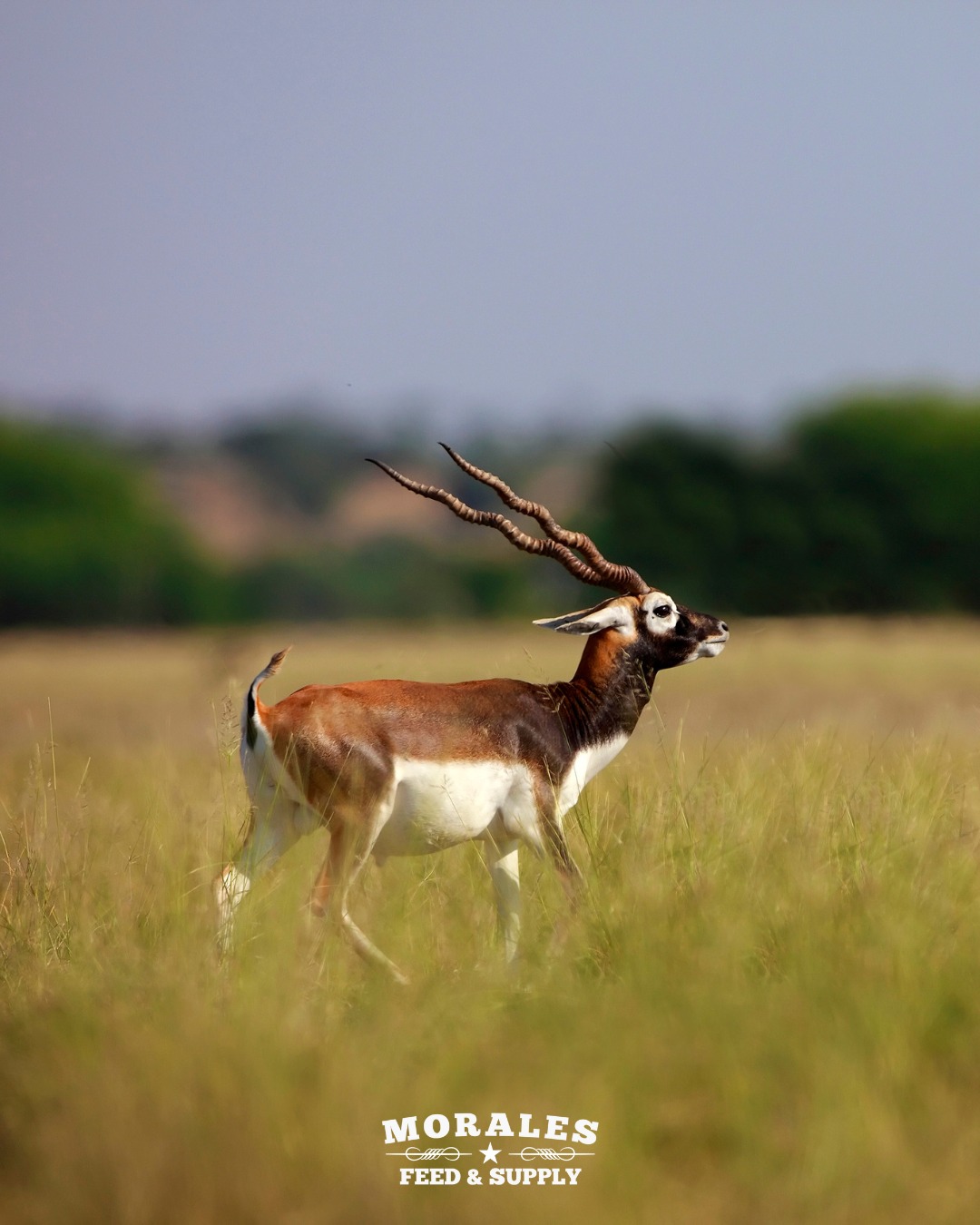
South Texas is a hotspot for exotic wildlife. From majestic axis deer and nimble blackbuck to the powerful nilgai and the rare scimitar-horned oryx, these species are central to both conservation and ranching income in the Texas Hill Country. Yet, if these animals are to flourish in this region’s harsh climate and limited forage, they need something more: consistent, targeted nutrition. Learn the essentials of protein feed for exotics in South Texas to support growth, reproduction, and antler development.
What Makes Exotic Wildlife So Unique in South Texas?
Exotic species raised on South Texas ranches often include:
-
Axis deer
-
Fallow deer
-
Red stag
-
Nilgai antelope
-
Blackbuck
-
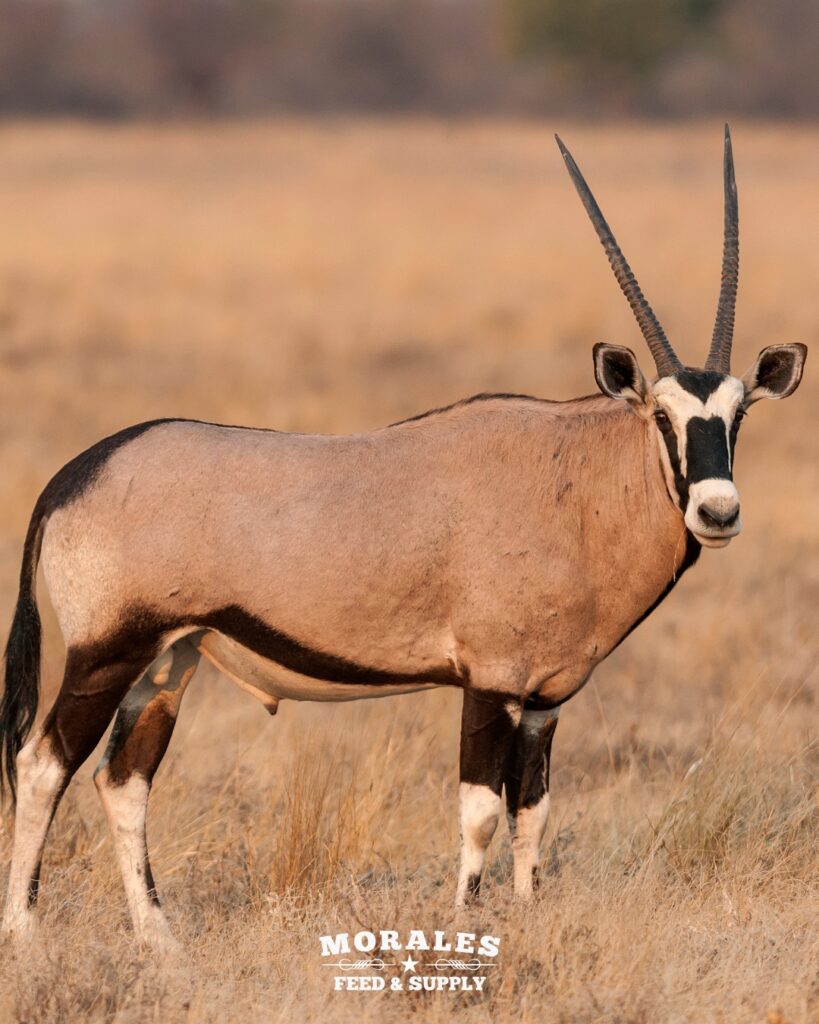
Scimitar-horned oryx
These animals come from different continents, climates, and ecosystems. Naturally, their nutritional demands are much different than local whitetail deer. Managing them well means adjusting for their native diets while factoring in the seasonal stressors of the South Texas rangeland.
Understanding Their Nutritional Needs
Exotics require higher-quality forage and feed due to:
-
Poor native forage during droughts
-
Soil nutrient limitations
-
Temperature extremes
They especially rely on balanced protein, energy, and minerals during:
-
Breeding seasons
-
Velvet growth
-
Gestation and lactation
-
Late winter and early spring forage gaps
Why Protein Is the MVP Nutrient
Protein is essential for:
-
Antler development
-
Muscle mass
-
Fertility and fetal growth
-
Recovery after stress or injury
Studies from Texas Parks & Wildlife reveal that exotic animals thrive on diets with 12–20% protein, adjusted by age, sex, and time of year.
Reliable Protein Sources for Exotic Wildlife
Here are the most effective feeding options:
-
Protein Pellets (12–20%): Fast digestion, great for managed herds
-
Wildlife Protein Blocks: Ideal for passive feeding over time
-
Custom Supplements: Include added vitamins, minerals, and binders
-
Natural Forage: Useful in wet months, but often unreliable
Morales Feed & Supply recommends the Muy Grande Deer & Exotic Wildlife Block, which blends a palatable 16% protein with crucial micronutrients.
When Is the Best Time to Feed?
Timing is everything. Prioritize feeding:
-
During breeding (fall and winter)
-
During velvet and antler growth (spring to summer)
-
After drought or hard freezes
Spaced feeding stations with gravity or timed feeders make it easy to distribute nutrition consistently.
The Muy Grande Wildlife Block: Built for South Texas
Morales’s Muy Grande Block includes:
-
16% protein
-
Added calcium & phosphorus
-
Vitamins A, D, and E
-
Weather-resistant molasses base
Perfect for ranches with limited access points, this block supports exotics even when other resources run low.
Protein Levels Backed by Science
Research supports:
-
Axis deer: 14–18% protein during rut
-
Blackbuck & oryx: 12–16% protein during gestation and lactation
-
More protein = higher fertility, muscle mass, and antler size
Trusted sources: Texas A&M AgriLife, Ful-O-Pep Feeds, Allied Feeds
Don’t Forget These Vital Nutrients
Protein isn’t the only player. You also need:
-
Calcium & Phosphorus: For bone density and antler structure
-
Salt & Trace Minerals: Like selenium, zinc, and copper for immune strength
-
Fat: A dense energy source for winter survival and breeding performance
Avoid These Common Mistakes
Even well-meaning ranchers get it wrong sometimes. Avoid:
-
Only feeding during hunting season
-
Ignoring mineral ratios
-
Overfeeding leading to waste or obesity
-
Skipping feeder maintenance
Smart Feeder Placement Strategies
Boost feeder performance by:
-
Placing near water sources
-
Keeping in shaded or covered areas
-
Ensuring minimal competition with livestock
-
Cleaning regularly to prevent disease and mold
Pellets vs. Blocks: What’s Better?
| Criteria | Pellets | Blocks |
|---|---|---|
| Best Use | Frequent, close monitoring | Remote or passive feeding |
| Rain-safe | No – need covered feeders | Yes – weather-resistant |
| Efficiency | Quick consumption | Slow, sustained release |
Protein and Reproduction in Exotics
Higher protein intake supports:
-
Earlier conception
-
Fetal viability
-
Healthier birth weights
-
Increased milk production
Protein and Antler Growth
For antlered exotics, such as fallow and axis bucks, protein feed:
-
Lengthens main beams
-
Increases mass
-
Improves tine count and symmetry
The Role of Local Habitat
South Texas often lacks ideal grazing. Drought and sandy soils reduce forage quality. Protein blocks fill the gap, keeping animals healthy even in harsh conditions.
Consistency Is Key
Routine feeding:
-
Builds animal trust
-
Improves herd visibility
-
Reduces stress during environmental swings
-
Enhances trophy quality over time
Signs You’re Doing It Right
Positive indicators:
-
Glossy coats
-
Strong appetites
-
High fawning rates
-
Symmetrical antlers
Watch out for:
-
Weight loss
-
Patchy coats
-
Poor breeding performance
Water Access Is Essential
Did you know protein digestion increases water needs? Always offer clean, nearby water at every feeding location.
Why Morales Feed & Supply Is South Texas’s Go-To
At Morales, we offer:
-
Premium Muy Grande protein blocks
-
Custom pelleted rations
-
Feeder systems tailored to your land
-
Hands-on consultation from people who live this lifestyle
We don’t just sell feed—we raise exotics too.
Trusted Feed Partners We Recommend
-
Allied Feeds – High-quality South Texas blends
-
Ful-O-Pep Feeds – Research-backed nutrition
-
Livengood Feeds – Innovation meets consistency
You’ll find all of these at Morales.
Hear It From Real South Texas Ranchers
“Our fallow deer herd doubled its birth rate after we switched to Morales’s exotic blend.”
— Lisa R., San Antonio Hill Country
“We saw visible improvement in antler mass in just one season with the 16% Muy Grande Block.”
— Cody B., Freer, TX
Final Word: Don’t Leave Nutrition to Chance
If you’re raising exotics, your success depends on strategic, year-round nutrition. Morales Feed & Supply is your partner for protein feed for exotics South Texas—whether you’re boosting trophy antlers, improving herd health, or raising the next generation of breeders.