
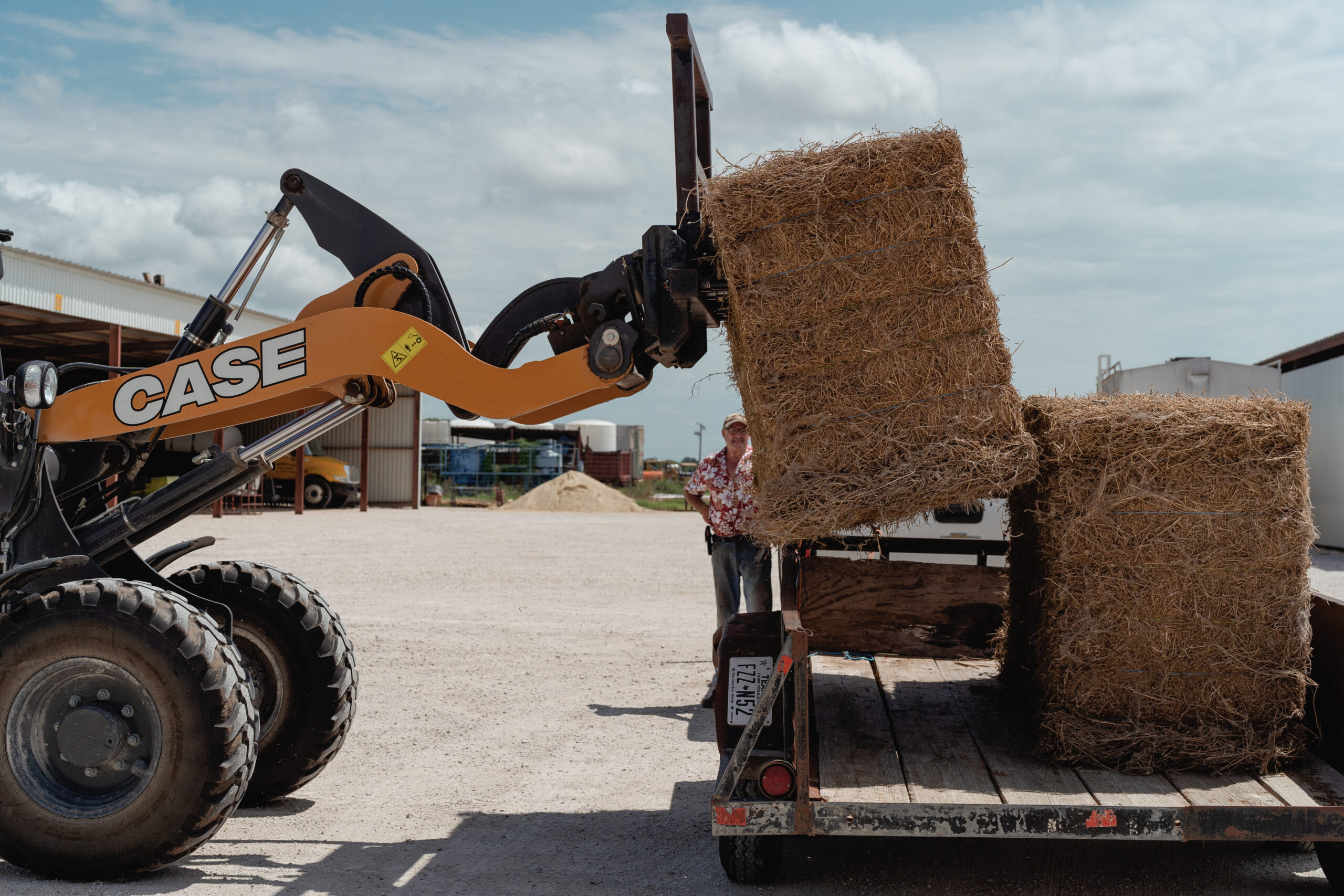
 The Role of Hay for Wildlife Nutrition
In particular, Texas faces periods of drought and harsh winter conditions that limit the availability of fresh vegetation. During these tough seasons, Hay and Cottonseed becomes an essential supplement, helping sustain wildlife health and preserving natural habitats.
Hay, particularly high-quality varieties like alfalfa, is a nutrient-dense food source that provides wildlife with the necessary fiber, protein, and energy. Alfalfa is especially rich in protein, which is vital for animals such as deer, which require higher protein intake for antler growth and reproductive health. Proper rumen function in deer is crucial, as this allows them to digest food efficiently.
Furthermore, providing supplemental hay during seasons of low vegetation availability helps maintain the health of deer populations. This, in turn, promotes a more sustainable ecosystem in which other species can also flourish.
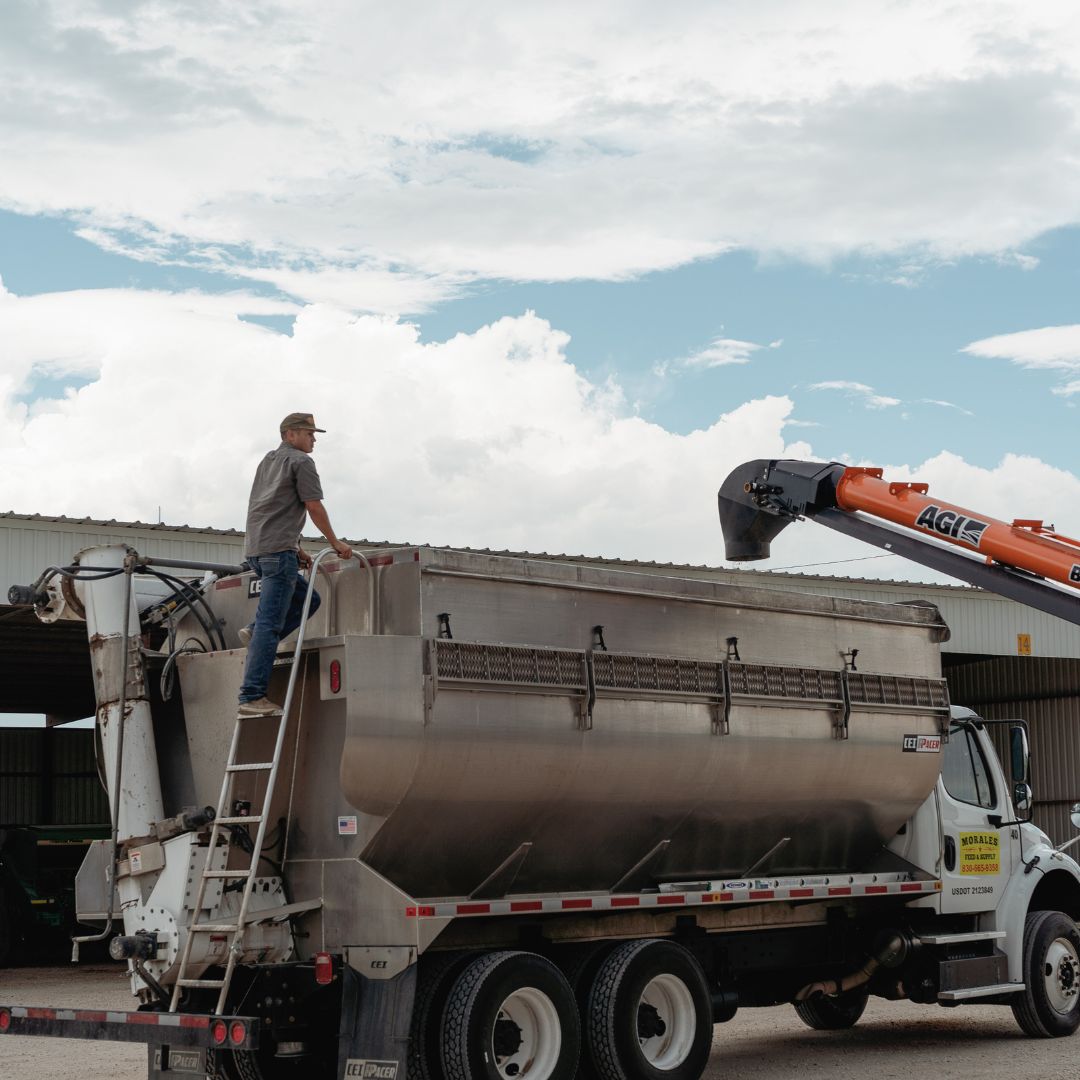
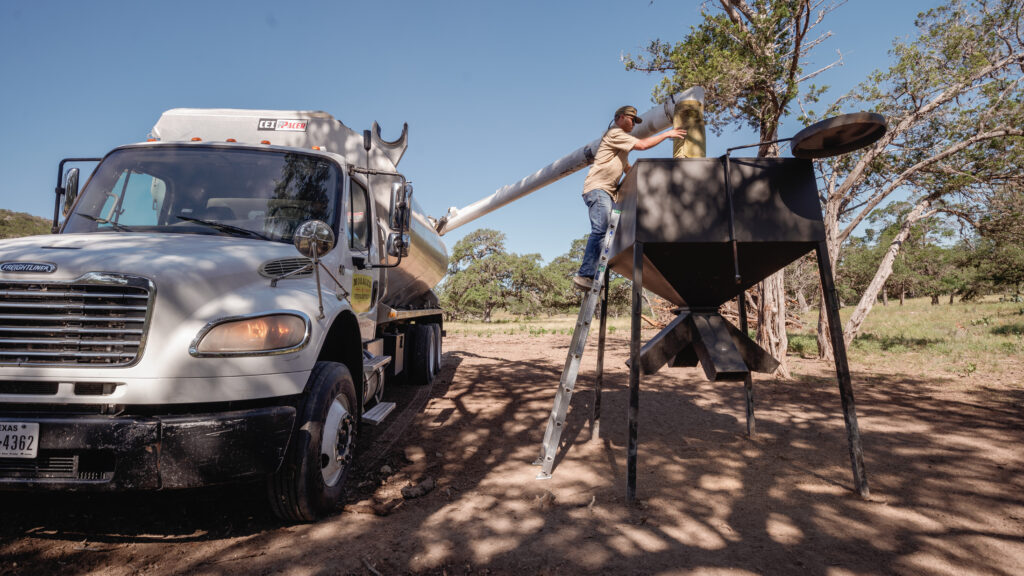
During Texas’s harsh summers and dry winters, supplementing wildlife diets with hay from reliable suppliers such as Morales Feed & Supply ensures that animals like deer, whose natural forage options may dwindle, remain healthy and avoid malnutrition.
The Benefits of Cottonseed for Wildlife
The high fat content also helps animals build up reserves to get through harsh winter conditions when foraging is minimal. Additionally, the high protein levels in cottonseed support reproductive health in does, helping them produce and nurture healthy fawns.
For bucks, which expend vast amounts of energy during the breeding season, cottonseed ensures they maintain their strength and stamina throughout this crucial period. It also contributes to better body condition and overall vitality, which is essential for the population’s long-term health.
One of the primary benefits of incorporating hay and cottonseed into wildlife management practices is the ability to prevent long-term habitat degradation. When natural resources become scarce, wildlife often overgrazes, leading to erosion and the depletion of native plant species. By supplementing with nutrient-dense feeds, landowners help protect the landscape from further damage, ensuring a more balanced and sustainable environment. Ultimately, a well-planned feeding strategy promotes healthier ecosystems and contributes to biodiversity conservation in Texas.
Conclusion
In Texas, where the climate can be unforgiving, managing wildlife nutrition is key to maintaining a healthy ecosystem. Hay and cottonseed are invaluable tools in ensuring wildlife, particularly deer, get the nutrition they need to thrive during challenging seasons. By integrating these feeds into their wildlife management plans, landowners and ranchers can foster healthier wildlife populations and promote sustainable land use. Morales Feed & Supply provides Texas landowners with high-quality feed options, contributing to more sustainable wildlife management practices.