
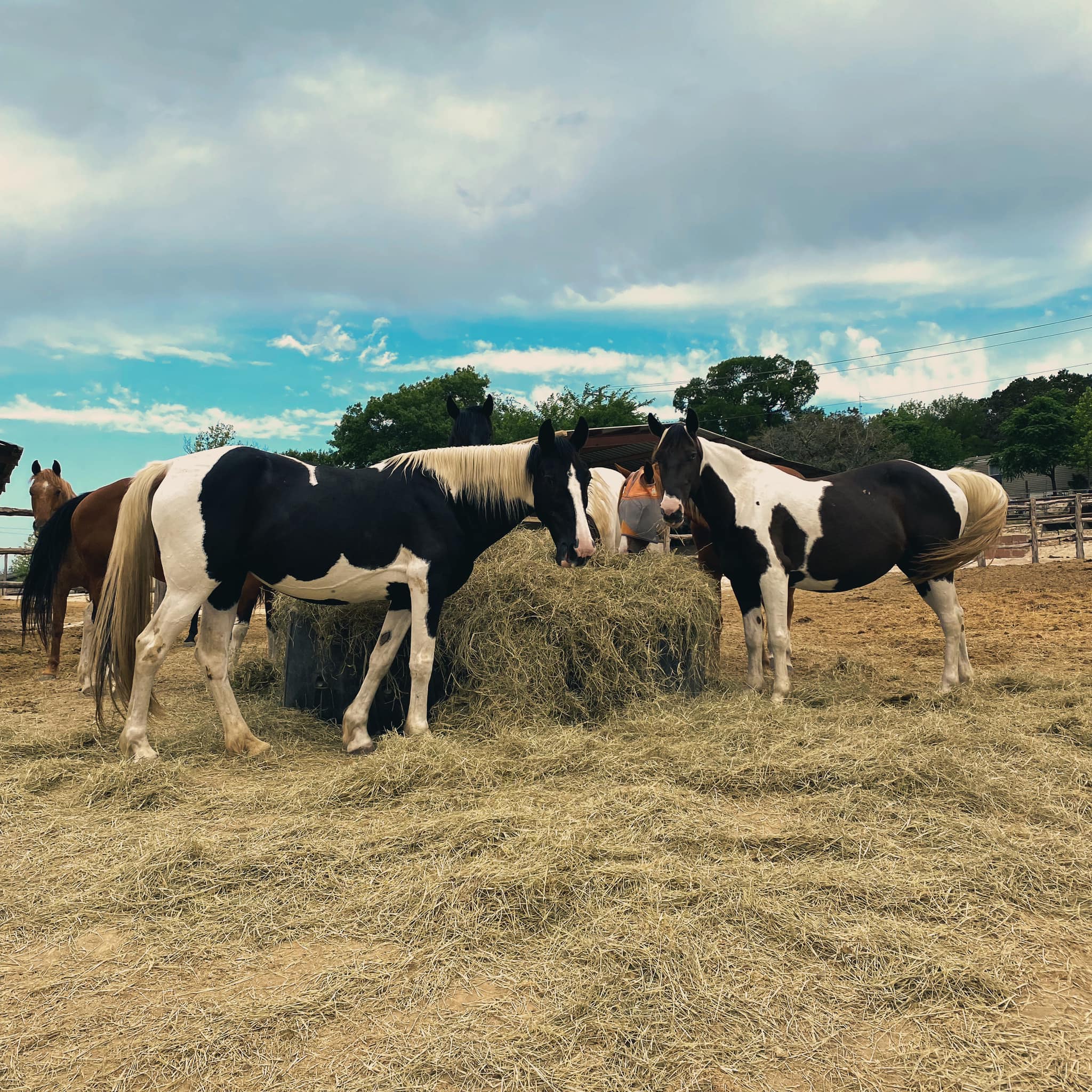
Seasonal feeding in South Texas isn’t optional—it’s essential. Extreme heat, unpredictable rainfall, and fluctuating forage quality mean livestock nutrition must adjust throughout the year. Implementing smart, seasonal feeding strategies helps producers maintain herd health, improve performance, and reduce long-term costs.
Understanding South Texas Conditions
South Texas ranches face prolonged heat, limited rainfall, and nutrient-poor native forage. These conditions increase stress on cattle, sheep, goats, and horses, making targeted supplementation critical. Relying on a single feeding plan year-round often leads to weight loss, lower fertility, and poor immune response.
Spring & Summer Feeding
During warmer months, livestock expend more energy managing heat stress. Feeds higher in digestible energy and balanced minerals help maintain body condition. Electrolyte support, consistent access to clean water, and minerals formulated for heat stress are key. Protein levels should support growth without increasing metabolic heat.
Fall & Winter Adjustments
As forage quality declines, protein supplementation becomes more important. Fall feeding supports breeding success and prepares animals for winter stress. In colder months, increased energy intake helps livestock maintain body temperature and body condition, especially during cold fronts common in South Texas.
Avoiding Common Feeding Mistakes
Sudden feed changes, inconsistent delivery, and ignoring mineral deficiencies are common issues. Gradual transitions and region-specific products prevent digestive upset and improve feed efficiency.
Conclusion
Seasonal feeding strategies tailored to South Texas conditions protect herd health year-round. Working with Morales Hay Feed & Seed ensures access to products and knowledge designed specifically for regional challenges.