
7 Reasons Pelleted Chicken Litter Will Transform Your Soil Microbiology
If you’re tr ying to build healthier pastures, improve forage quality, or get more out of every acre, the process begins below the surface. The biology of your soil — especially microbial life — is what drives nutrient cycling, water retention, and long-term productivity.
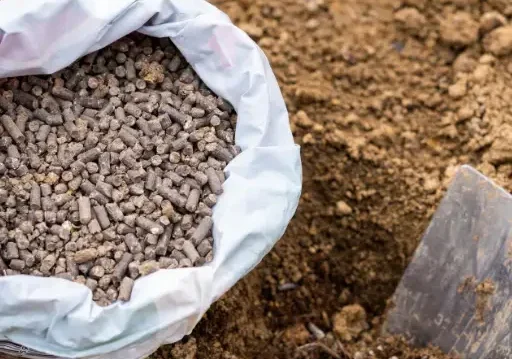
Fortunately, one of the most effective tools for jump-starting that biological engine is pelleted chicken litter.
This isn’t just a nutrient source. Rather, it’s a soil-building strategy that works with nature, not against it.
It Feeds the Microbes, Not Just the Plants
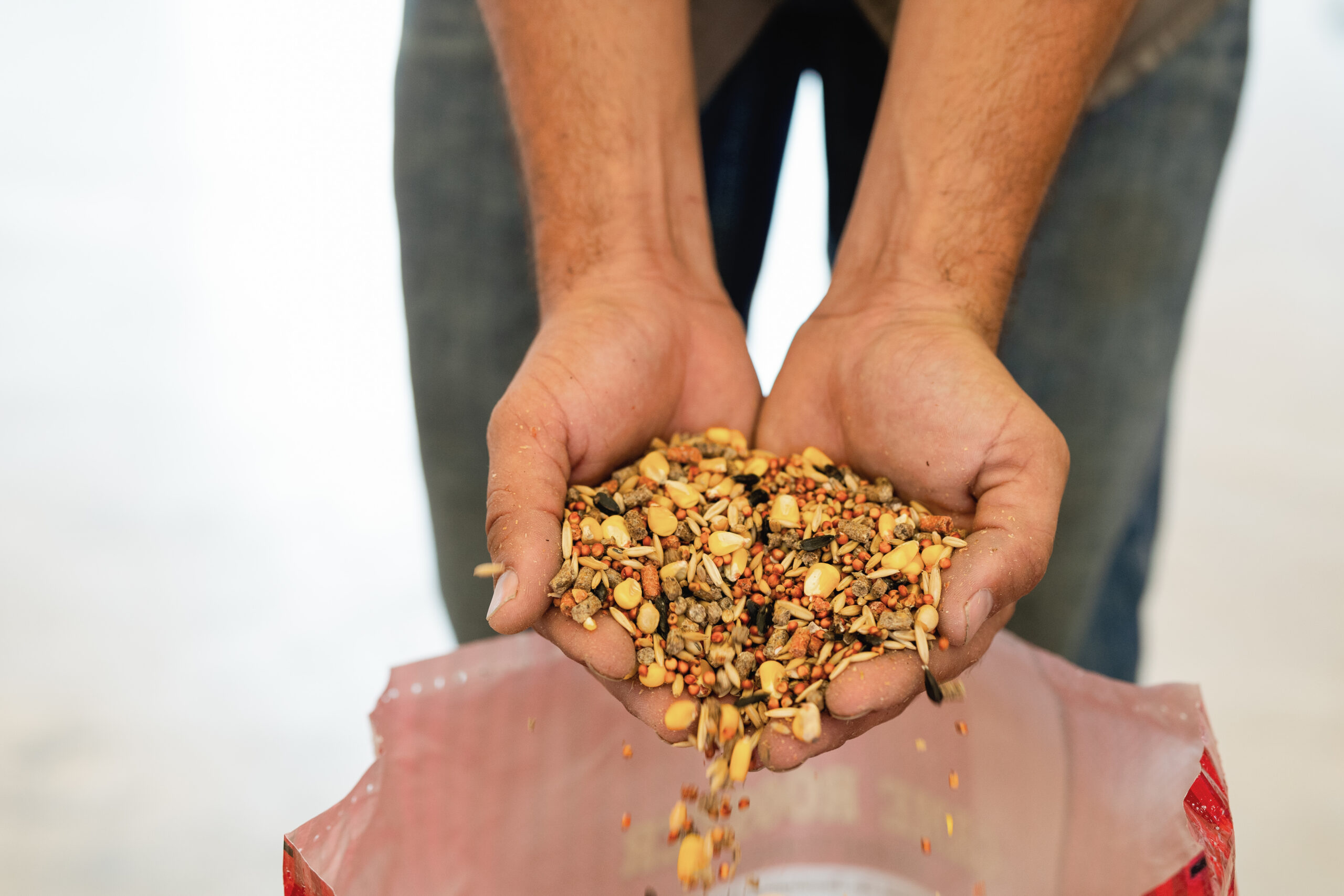
Unlike synthetic fertilizers that bypass soil biology entirely, pelleted chicken litter is full of carbon-rich organic matter. This matters because microbes rely on organic carbon as a food source. By nourishing these underground workers first, you’re creating a more active, balanced, and resilient soil ecosystem — one that naturally supports healthy forage and plant growth over time.
It’s Packed with Slow-Release Nitrogen
In addition, the nitrogen found in pelleted litter is tied to organic compounds, which means it releases slowly over time. As a result, it stays in the soil longer, reducing leaching and loss. This delivers a more consistent and reliable nitrogen supply to both your plants and the microbes that feed them — without the dramatic spikes and crashes associated with synthetic fertilizers.
It Improves Soil Structure Over Time
Every time you apply pelleted chicken litter, you’re not just fertilizing — you’re improving the physical makeup of your soil. The carbon and organic matter it contains support better soil aggregation, which leads to improved water infiltration, reduced compaction, and better oxygen flow for roots and microbes. Over time, this builds a stronger, more resilient foundation for plant growth.
It Supports Beneficial Fungi and Bacteria
In addition to microbes, pelleted chicken litter helps promote the growth of beneficial fungi and bacteria. It contains organic acids, enzymes, and trace minerals that feed diverse microbial communities — including mycorrhizal fungi, which connect root systems and improve nutrient and water uptake. In other words, you’re boosting your soil’s natural efficiency.
It’s Less Likely to Burn Your Crop
Compared to raw litter or high-nitrogen synthetic fertilizers, the pelletized form is more stable and buffered. This means there’s a much lower risk of crop burn, especially in young or stressed plants. Because of this, it can be applied with fewer restrictions and with more confidence, giving you greater flexibility throughout the season.
It Helps Balance Soil pH
Over time, the organic matter in pelleted chicken litter can help buffer acidic soils and push them toward a more neutral pH. This matters because many key nutrients become more available at balanced pH levels. As a result, microbial life thrives and your soil becomes more productive — naturally.
It’s Easy to Store, Spread, and Apply
Finally, the pelletized form makes application simple. It’s clean, compact, and compatible with most standard spreaders. There’s no special handling, no clogging, and no complicated calibration. Whether you’re working a few acres or managing a large pasture system, pelleted chicken litter is easy to apply when and where you need it.
Final Thought
If you’re ready to fertilize smarter — not harder — pelleted chicken litter deserves a place in your program. It’s more than a nutrient boost. It’s a long-term investment in the biology that powers your land.
Healthier soil means healthier forage, stronger root systems, and better production year after year.
Visit Morales Feed & Supply in Devine to ask about availability, pricing, and how to start putting your soil biology to work today.

Let’s rebuild from the ground up — and grow stronger from the inside out.
 Preparing for fall and winter farming in Texas is essential for ensuring year-round soil health and farm productivity. One of the most effective strategies for Texas farmers is planting crops that not only support soil structure but also provide valuable forage for livestock during colder months. For example, ryegrass is an ideal cool-season crop that grows quickly and offers high-quality forage while preventing soil erosion. Similarly, winter wheat and clover offer excellent grazing and soil fertility benefits. Farmers looking for top-quality Farming seeds and farming supplies should consider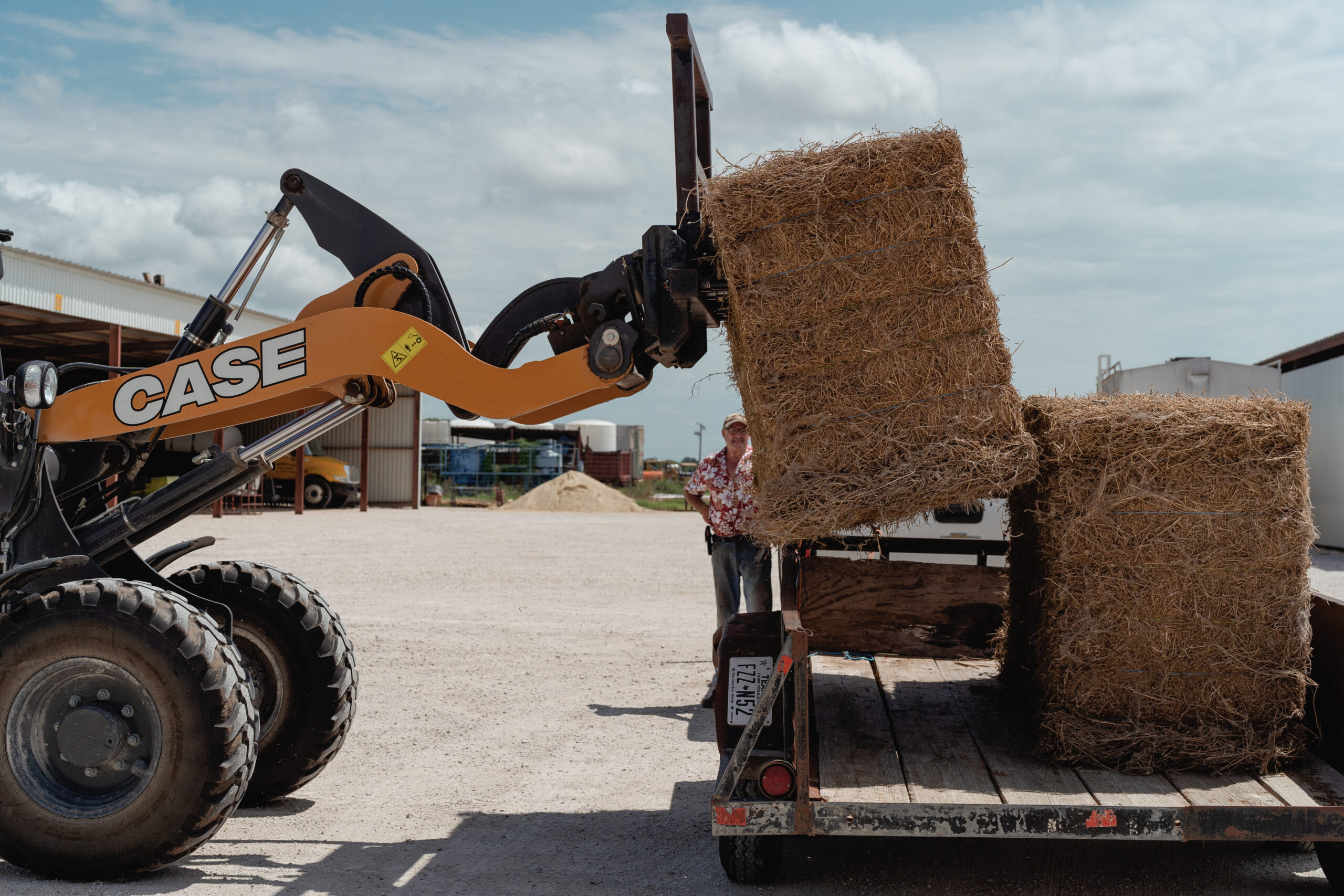
 The Role of Hay for Wildlife Nutrition